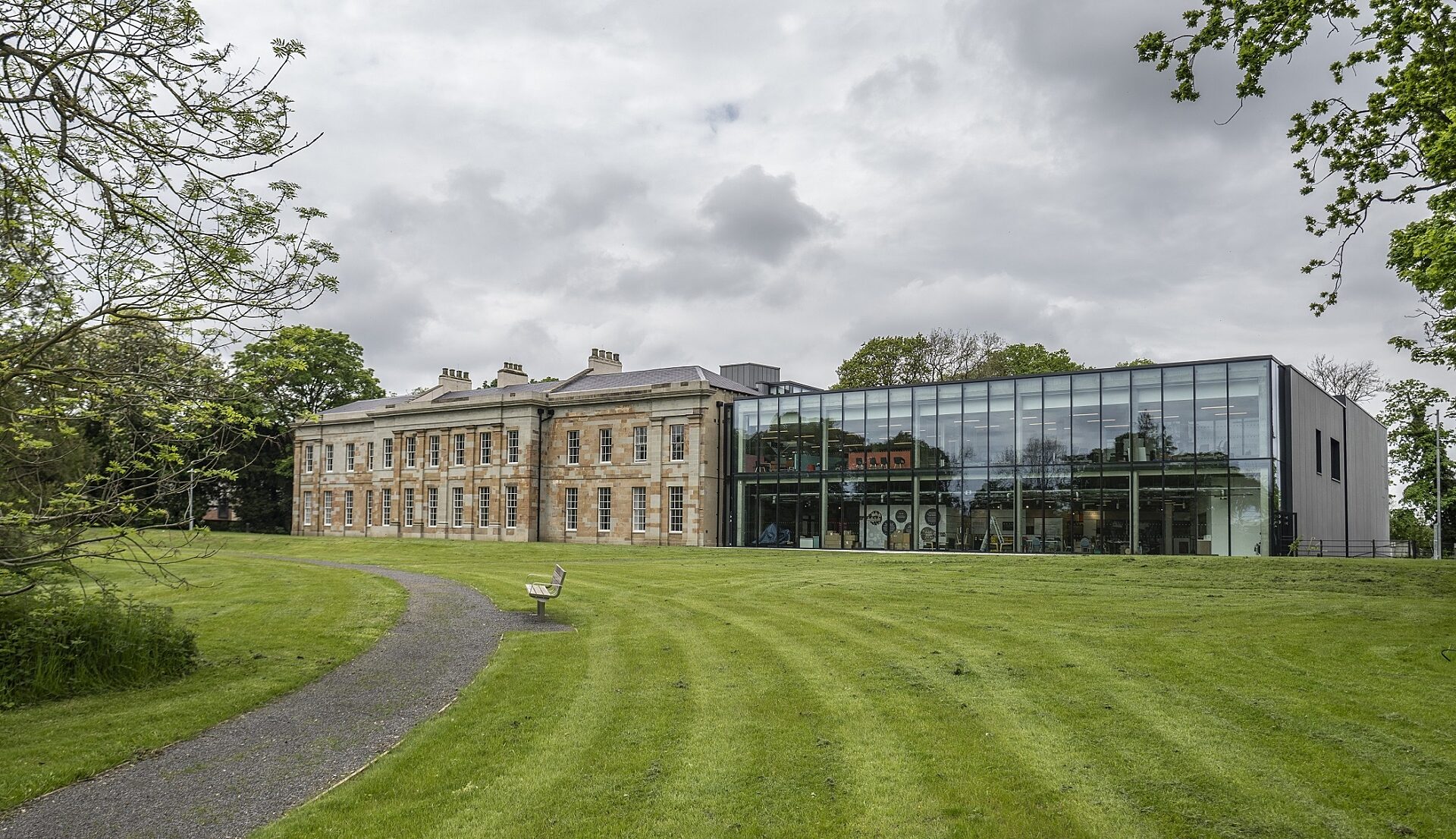
The budget is long gone
By the time the ops team arrive, the Capex has usually gone – and we don’t mean running low – we mean long gone. That means any late changes - storage, signage, extra kit, alterations to layouts - suddenly sit on the revenue budget – which is where the tension can start. The ops team haven’t been involved early enough, yet they’re the ones who now have to make this building work day-to-day, and they’re walking into decisions that were made sometimes years ago.
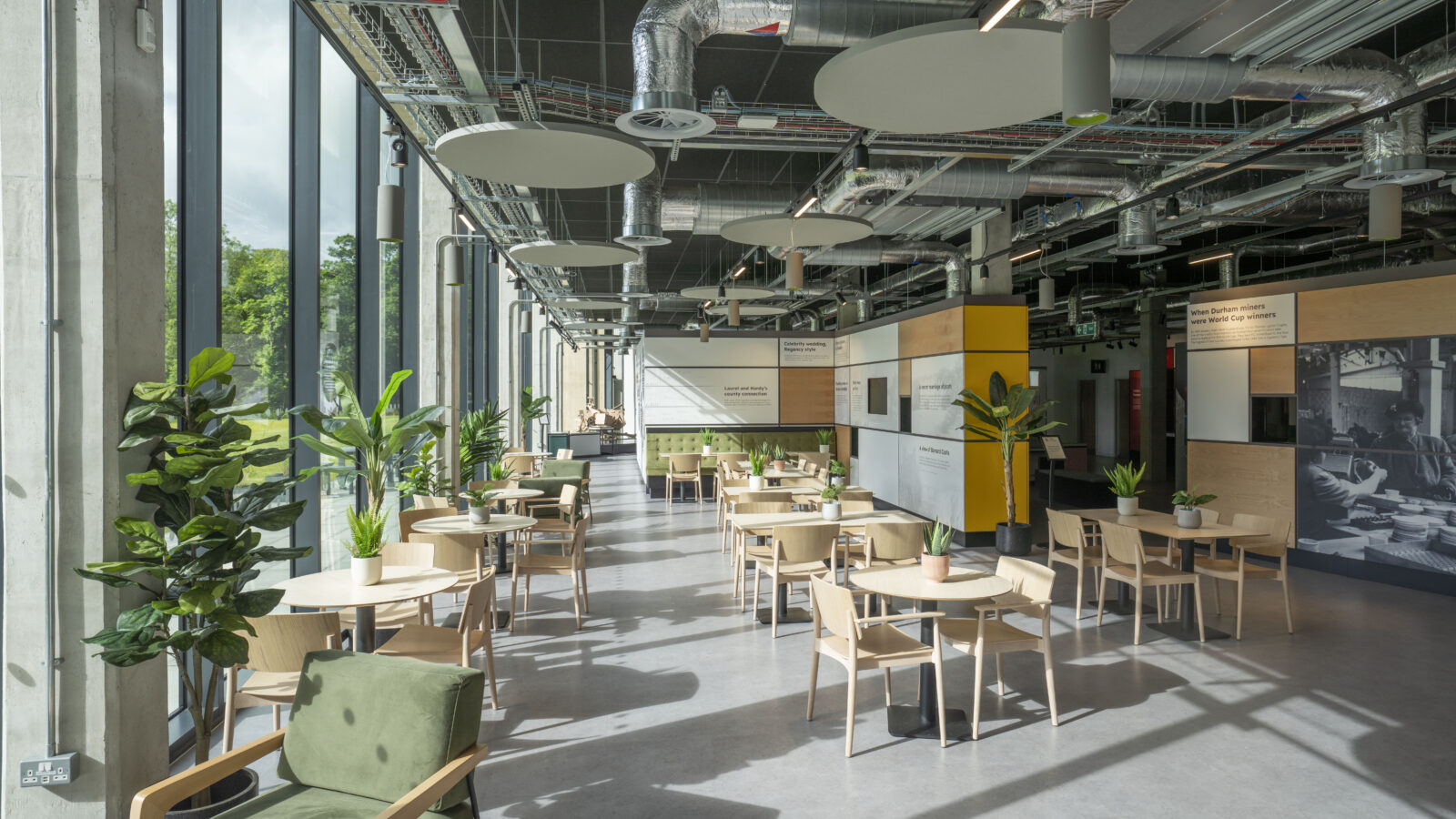
Too late to change - too early to open
Here’s what can typically happen:
- The ops team appointed joined too late and are now playing catch-up.
- Project fatigue is kicking in on a 5-6-year build.
- There’s no budget left for tweaks.
- We can’t afford the hot spares list for all the shiny interactive kit.
- There’s not enough time for training, because staff hiring always happens weeks later than it should.
- Storage hasn’t been thought through (or has been cut).
- Operators start adjusting volumes, lighting, sticking signs up, because they’re trying to make the place usable.
Add to that list, just when the final snagging is being done, along comes another set of last-minute interruptions – stakeholder walk rounds, advanced viewings for VIPs, school group testing to ‘try the route’. All well-intentioned but they eat into time and patience when trying to finish the job.
Designers need the galleries clear so they can finish the install, test the media, and get the environment right. Operators on the other hand, need to get into the building so they can train staff, learn the systems, plan the visitor flow, set up the shop and café, and test everything that will keep the doors open and public safe and entertained.
Both sides are right and are under pressure – but both think the other is slowing them down.

Technical glitches
A lot of modern museum kit needs planned maintenance - media servers, lighting control, interactives, special effects, and sensors. If the maintenance team aren’t involved early, the first few months after opening are bumpy – and can be expensive. It’s a trade off with spending budget bringing the ops team in at the start of the project, and the cost of doing so too late. No one intentionally sets a project up to fail, but if they’re not involved at the visioning stage, there’s limited time to pass on the knowledge properly.
Having someone who understands visitor flow, staffing realities, revenue pressures, maintenance, retail and F&B, storage and what happens when a school group of 120 kids arrives at once protects the operational future of the building - not just the opening week.
They can also hand over to the permanent ops team properly, with no surprises and no last-minute panics.
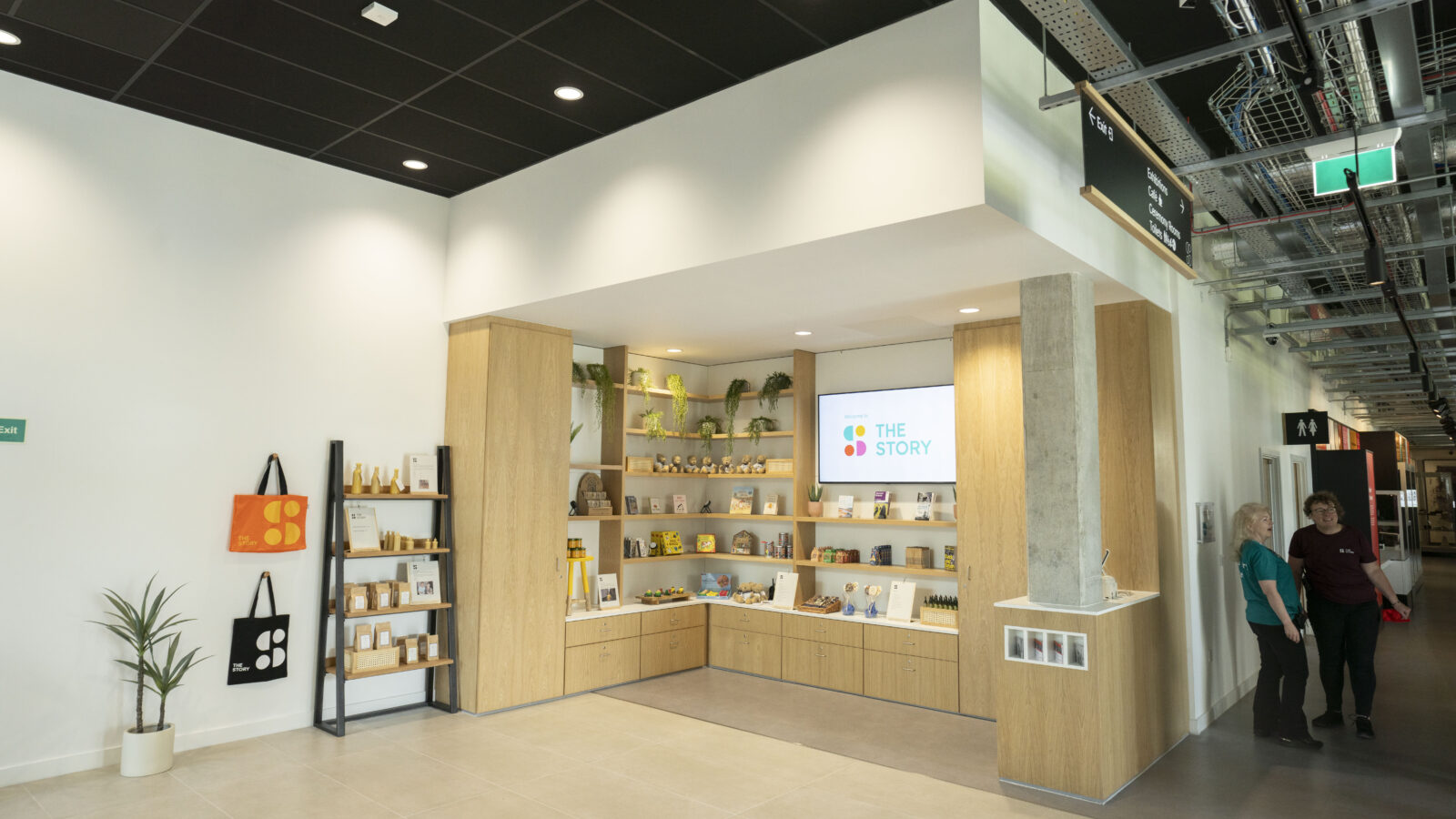
The end of fit-out isn’t the end of the project – it’s just the beginning, and if we don’t manage that part properly, everyone feels it - especially the people who must run the place once we’ve packed up and gone.
The buildings that open smoothly aren’t the lucky ones - they’re the ones where design and operations were talking from day one.