When yes doesn’t mean now
Museum funding rarely arrives in one clean sweep - most major developments are phased - concept, development, and delivery - each dependent on the success of the last. A project might win its National Lottery Heritage Fund development grant but then wait a year or more before full funding is confirmed.
Mather & Co has seen every version of that pause - where our team has produced a National Lottery submission that required balancing immediate ambition with pragmatic restraint - to capture the vision without over-committing resources too early - a delicate line to walk.
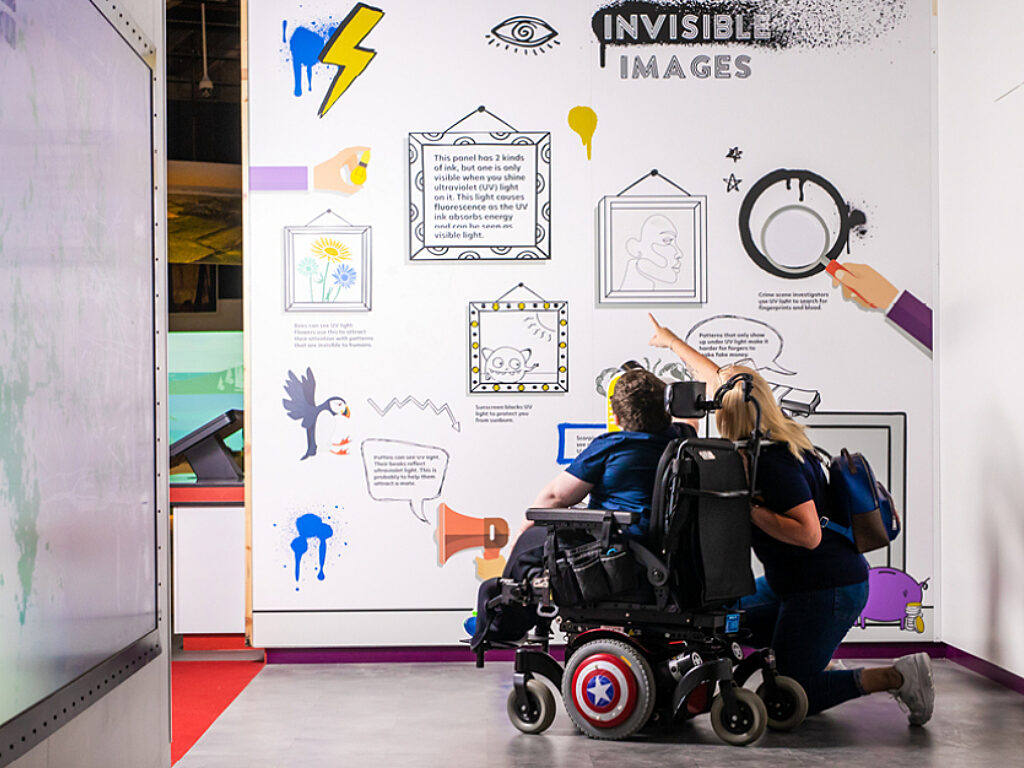
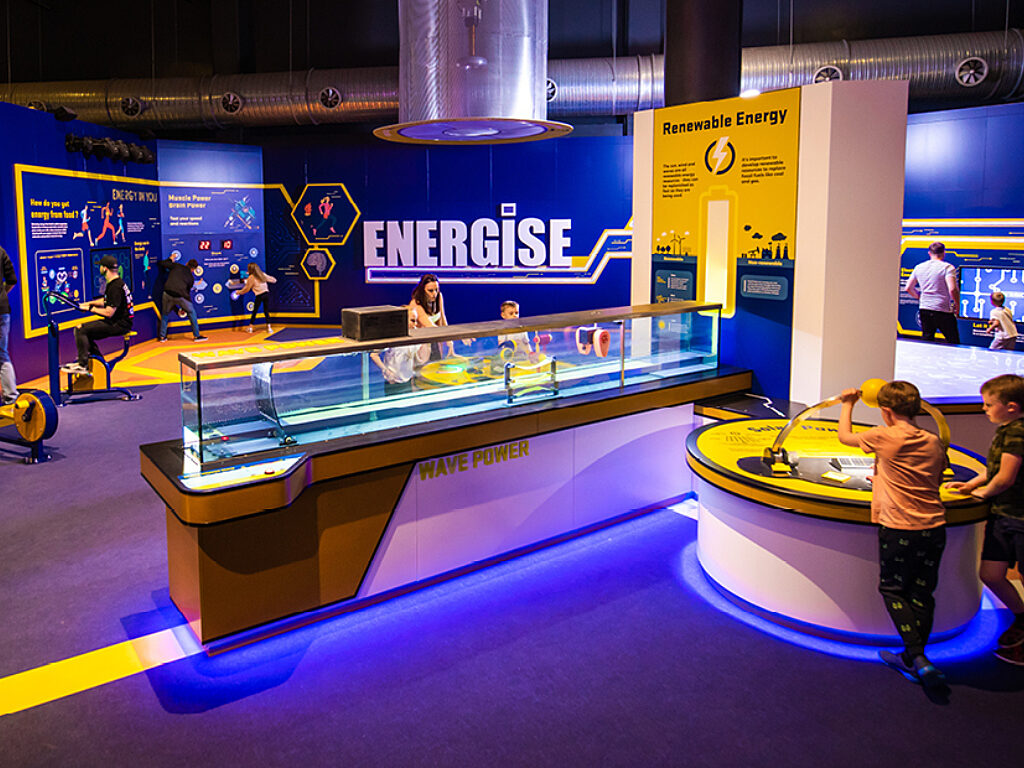
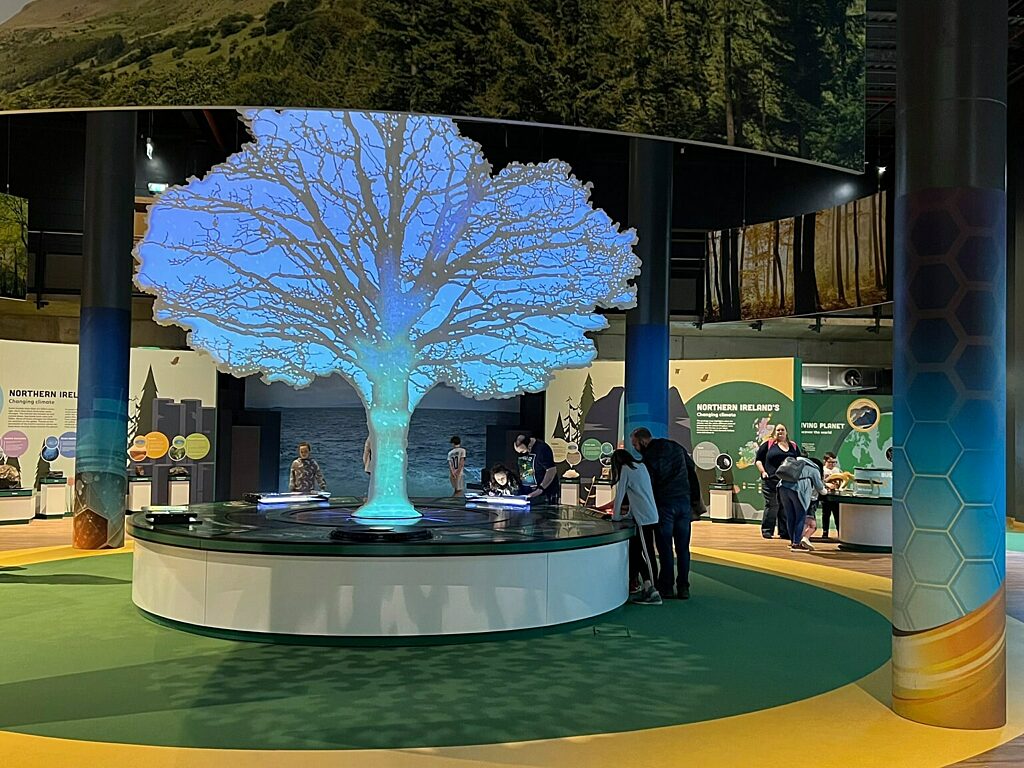
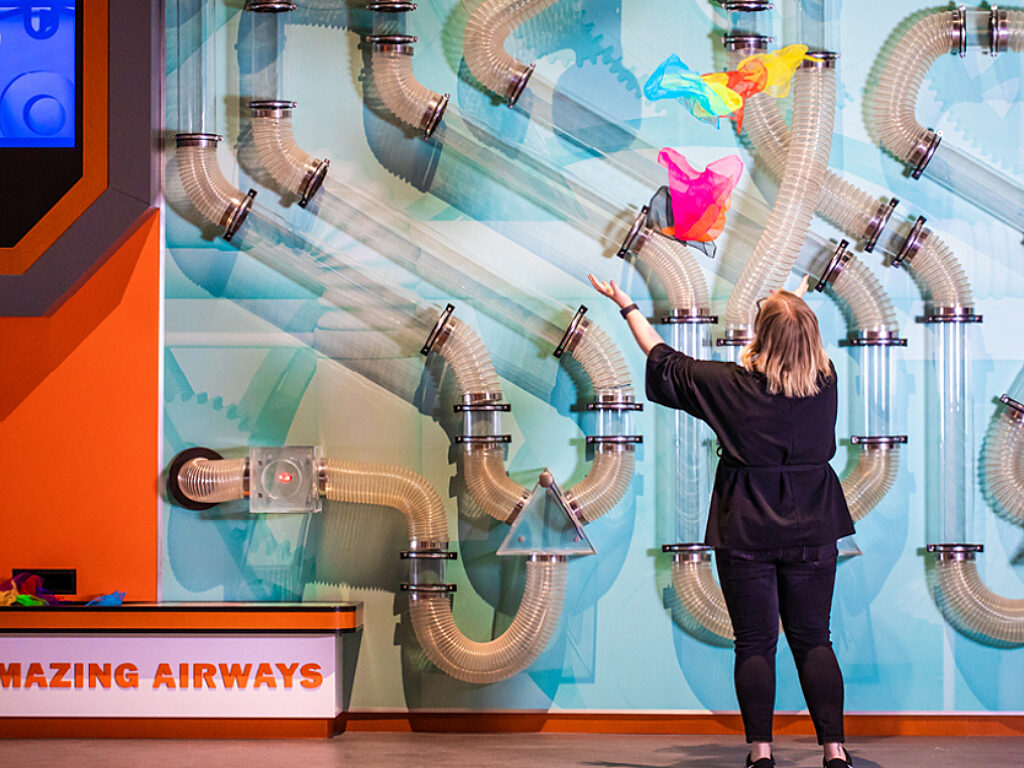
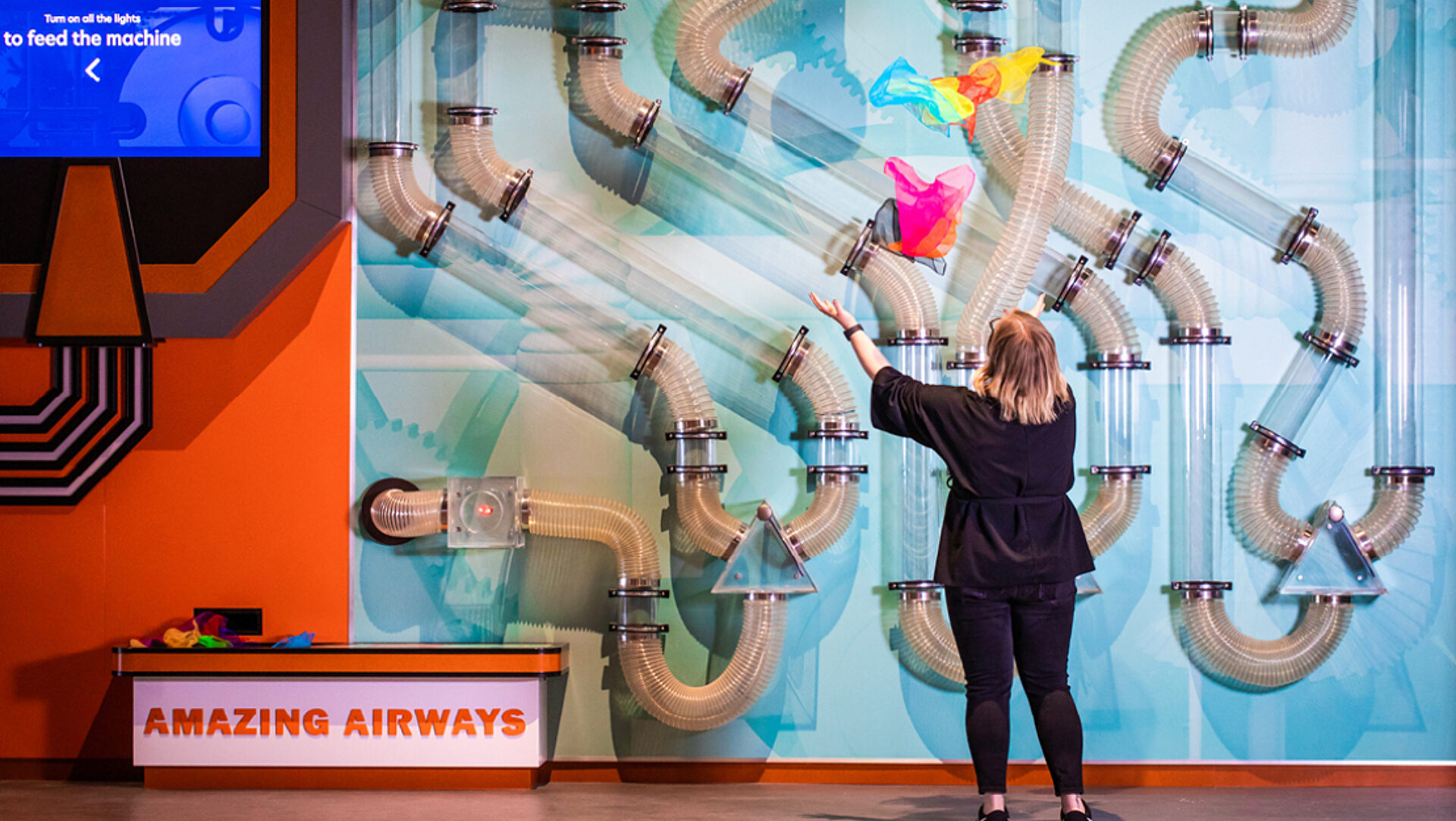
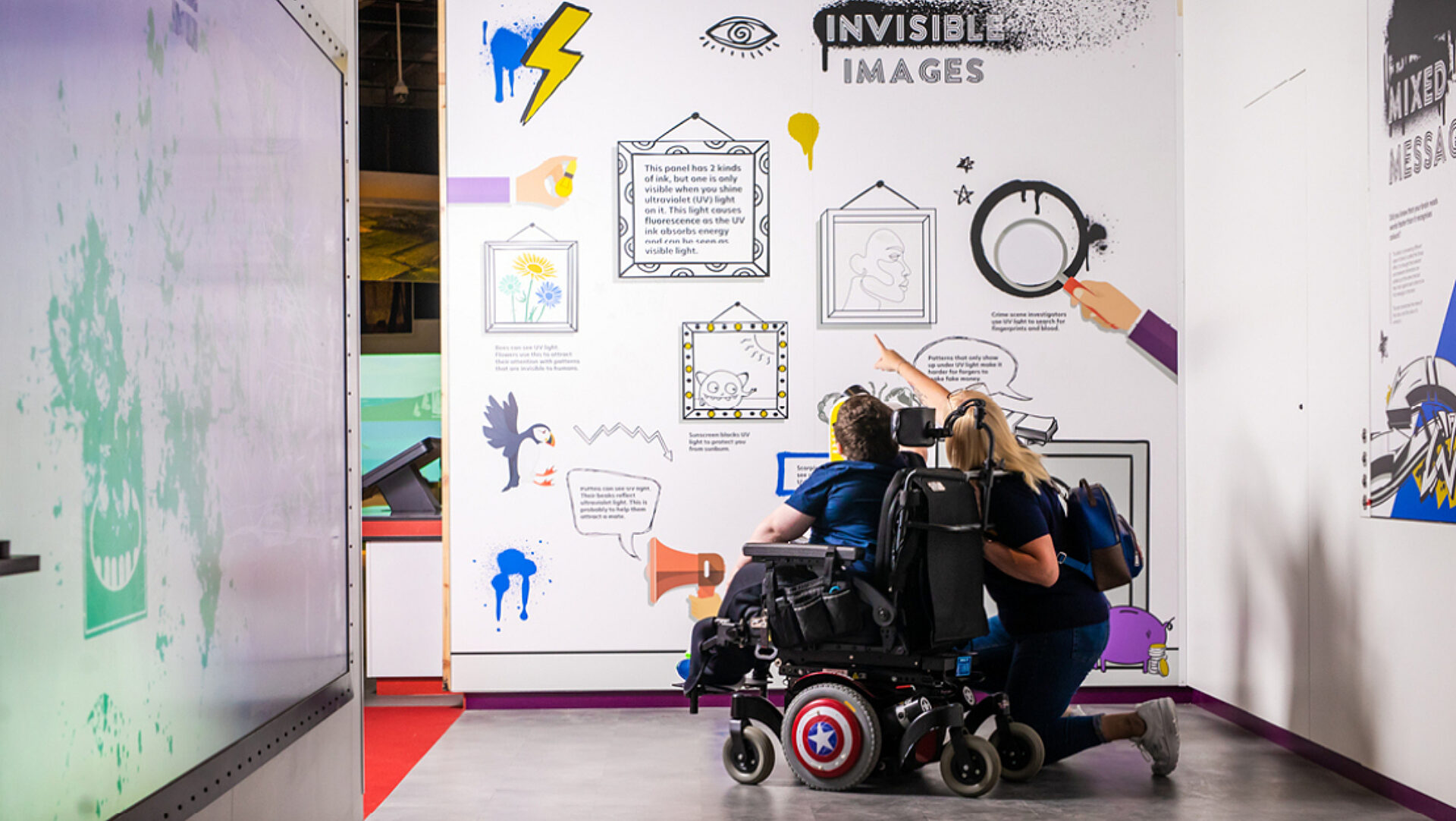
Elsewhere, the W5 Science & Discovery Centre in Belfast shows how investment phases can work in your favour. Its £4.5 million redevelopment wasn’t a single lump of money, it was a staged process that allowed for reflection, testing and adjustment along the way. The final result feels sharper because the design team had time to evolve ideas between funding rounds.
Delays aren’t just about paperwork. Political changes, council leadership shifts, or unexpected building conditions can all affect timelines. Some projects stall because the story they’re telling suddenly becomes more politically charged, or because the cost of materials doubles mid-build.

What matters is how a team responds in that limbo. Keeping momentum through a funding gap is a craft in itself. A few things tend to help:
- Keep the story warm. Audiences and stakeholders forget quickly. Use small-scale updates, local press or social content to remind them the project’s still alive.
- Protect the essentials. Identify which elements define the spirit of the project - the parts that must survive any rescope - and which can flex.
- Use the pause for depth. Slower periods are ideal for deeper research, community consultation, or collecting stories that would otherwise be rushed.
- Stay transparent. Silence breeds rumour, so regular updates, even short ones, preserve confidence among partners and funders.
The quiet months between bids are often where trust is built. They’re also where many good ideas are lost - projects drift when communication stops. Experienced teams treat the downtime as part of the design process rather than an interruption to it.
The balance between ambition and realism
Funding decisions naturally force compromise. Not every interpretation, digital feature or interactive zone will make the final cut and yet cutting doesn’t always mean losing quality. The most successful projects tend to protect their idea, not their wishlist.
The Silverstone Interactive Museum is a case in point. Years of phased funding and partnership changes demanded constant adjustment, but the long run at the final attraction strengthened the final design - leaner, clearer and truer to its original purpose.
Financial restraint can actually sharpen creativity too. When the budget tightens, teams are forced to focus on what carries meaning. A single, beautifully executed story often delivers more impact than a dozen half-funded features.
Keeping perspective
Every funding pause feels difficult at the time, but viewed in hindsight, those pauses often add resilience. They give space for ideas to mature, for relationships with local communities to deepen, and for designs to respond to changing public expectations.
There’s also a quiet satisfaction in delivering a project that’s taken years to come good. When the scaffolding finally comes down, the team knows every delay, rewrite and budget meeting taught them something useful.
The heritage world will never be free of funding uncertainty because it’s baked into how public projects work. But that uncertainty doesn’t have to derail creativity. If anything, it reminds everyone involved that good design isn’t about speed or spectacle – it’s about endurance and the ability to keep faith in a story worth telling, however long it takes to tell it.