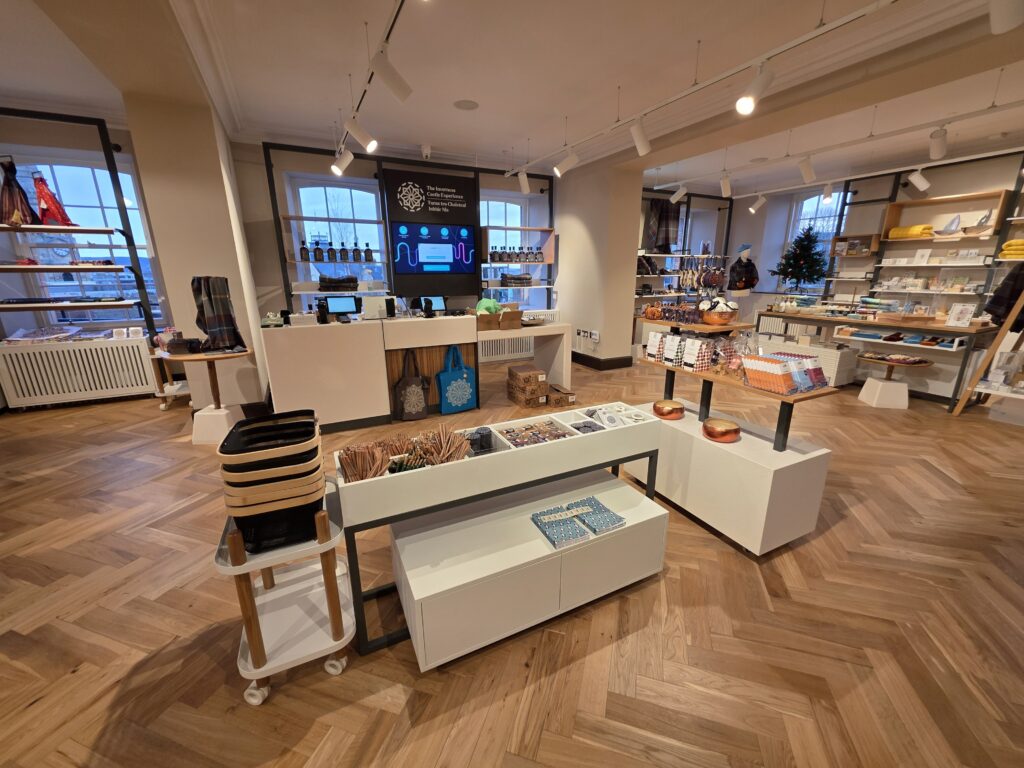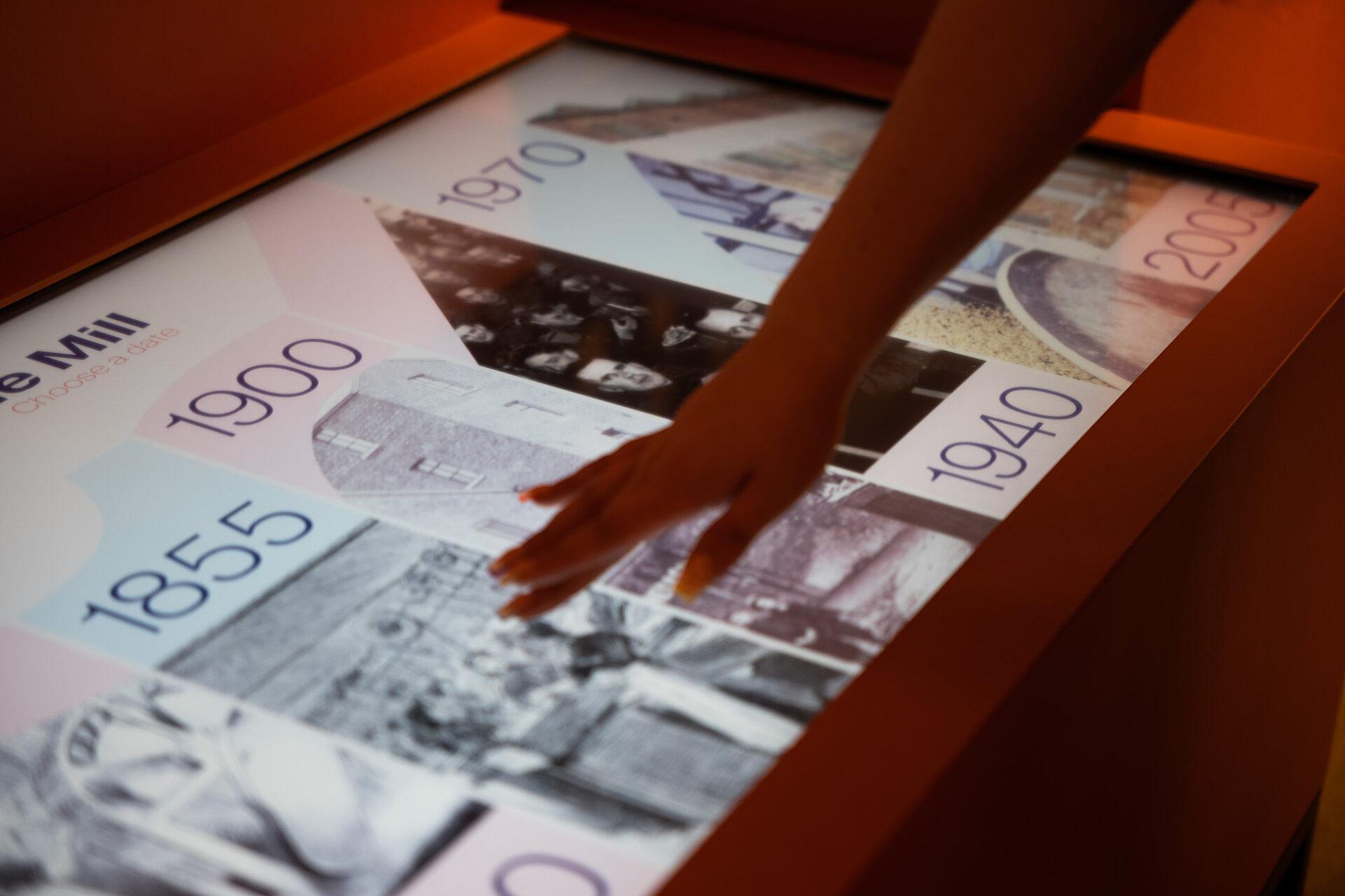
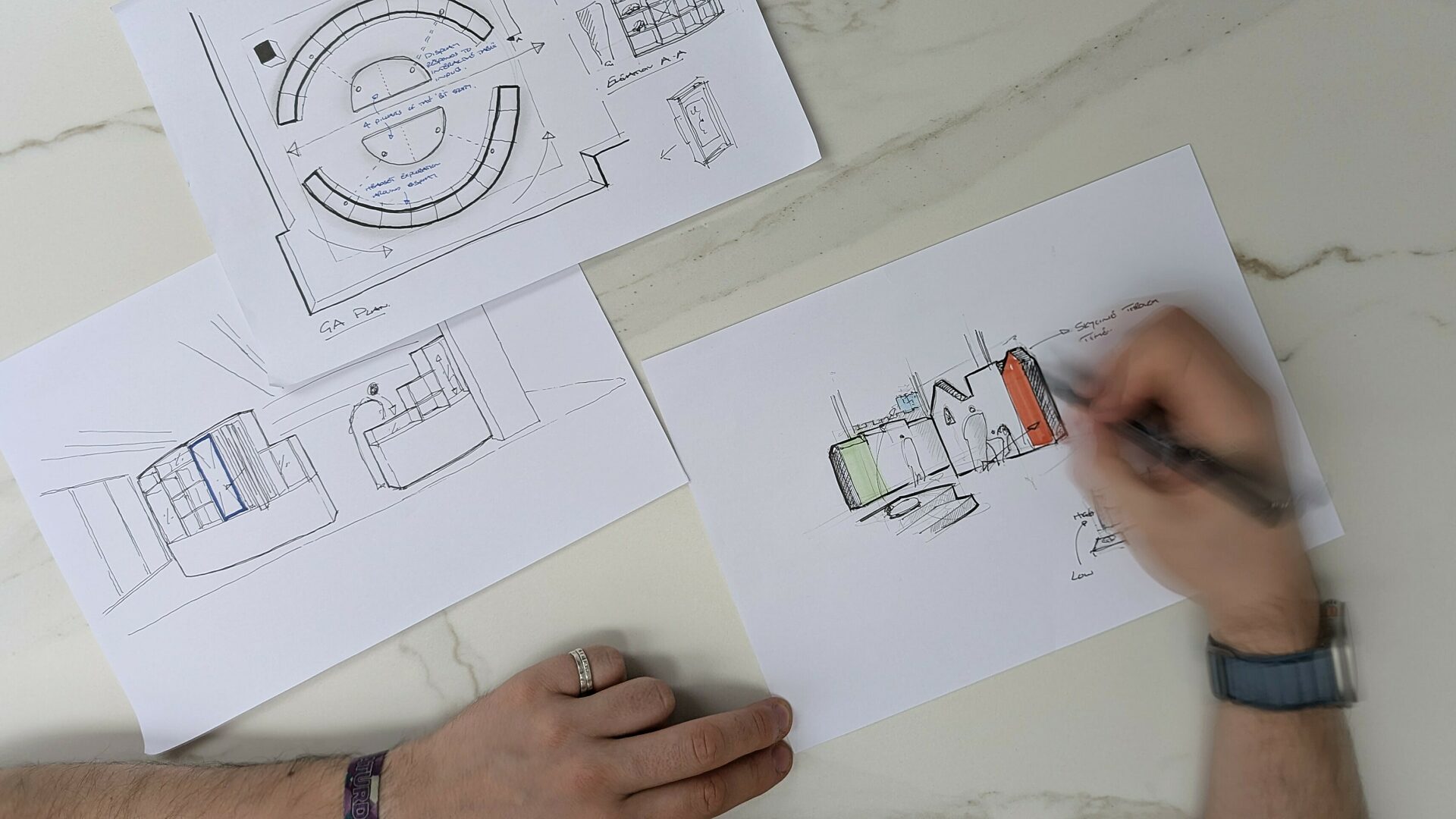
We come across it a lot – a project completes, invoices are paid, and the client thinks they own the design files, the artwork, the graphics and everything else that’s been created. In some cases they’ve even been handed over to another supplier, reused on merchandise, in marketing, and printed elsewhere – or continued their use in new ways because they paid for the original job. We also see original illustrations or graphics created for a project later appearing across merchandise ranges, without any discussion with the people who created them.

But that isn’t always what they bought - paying for a piece of work is not the same as owning the intellectual property behind it and there’s a big difference between buying a service and buying every right attached to what that service produces. In museum and visitor experience projects, this comes up regularly because clients commission branding, interpretation, illustrations, graphics or visual assets for a particular scheme, but later decide they want to use them elsewhere as well. From the client’s point of view, they paid for it, so they assume it is theirs to use.
What they may have paid for is the right to use that work in a specific setting, for a specific purpose, under a specific agreement, often with fees negotiated at the outset, but that doesn’t always mean full ownership has changed hands. It doesn’t mean unrestricted reuse, or that the files can simply be passed to somebody else to reproduce.
Photography is another example – if images are not bought out in full, the client does not automatically own them – the photographer does. That becomes even more important when actors are involved in photographic shots, because usage rights sit behind the image as well. It comes back to what was agreed, not what is assumed.
As soon as copyright is mentioned, clients can think designers are being difficult, but creative work has value beyond the point it’s delivered, and if that work starts being reused in ways that create extra commercial value – it matters. Somebody created it and the wider use may never have been part of the original brief.
As an industry, we haven’t helped ourselves either, because designers often let it slide. A client oversteps the line, and instead of dealing with it properly, the designer stays quiet because they don’t want the confrontation. The result is the misunderstanding carries on, and the same thing happens again. Part of the problem is that people confuse possession with ownership - having the files is not the same as owning the rights, receiving artwork is not the same as acquiring the intellectual property behind it, and commissioning a design does not automatically mean you can use it however you like in future.
In most cases, it’s not malicious, it’s just a lack of understanding, but that doesn’t make it acceptable. Clients don’t need to be experts in copyright law or licensing, but they do need to understand that buying a job and buying every right attached to that job are not the same thing. Great creative work isn’t just decoration, it has brand, commercial and long-term value, especially in projects where visuals can live far beyond the original installation. If that wider use is part of the plan, it should be discussed properly, agreed and paid for.
The best projects are the ones where the agreement is clear from the start – everyone understands what’s being created, paid for – and what’s included - especially if the work’s used more widely later on.