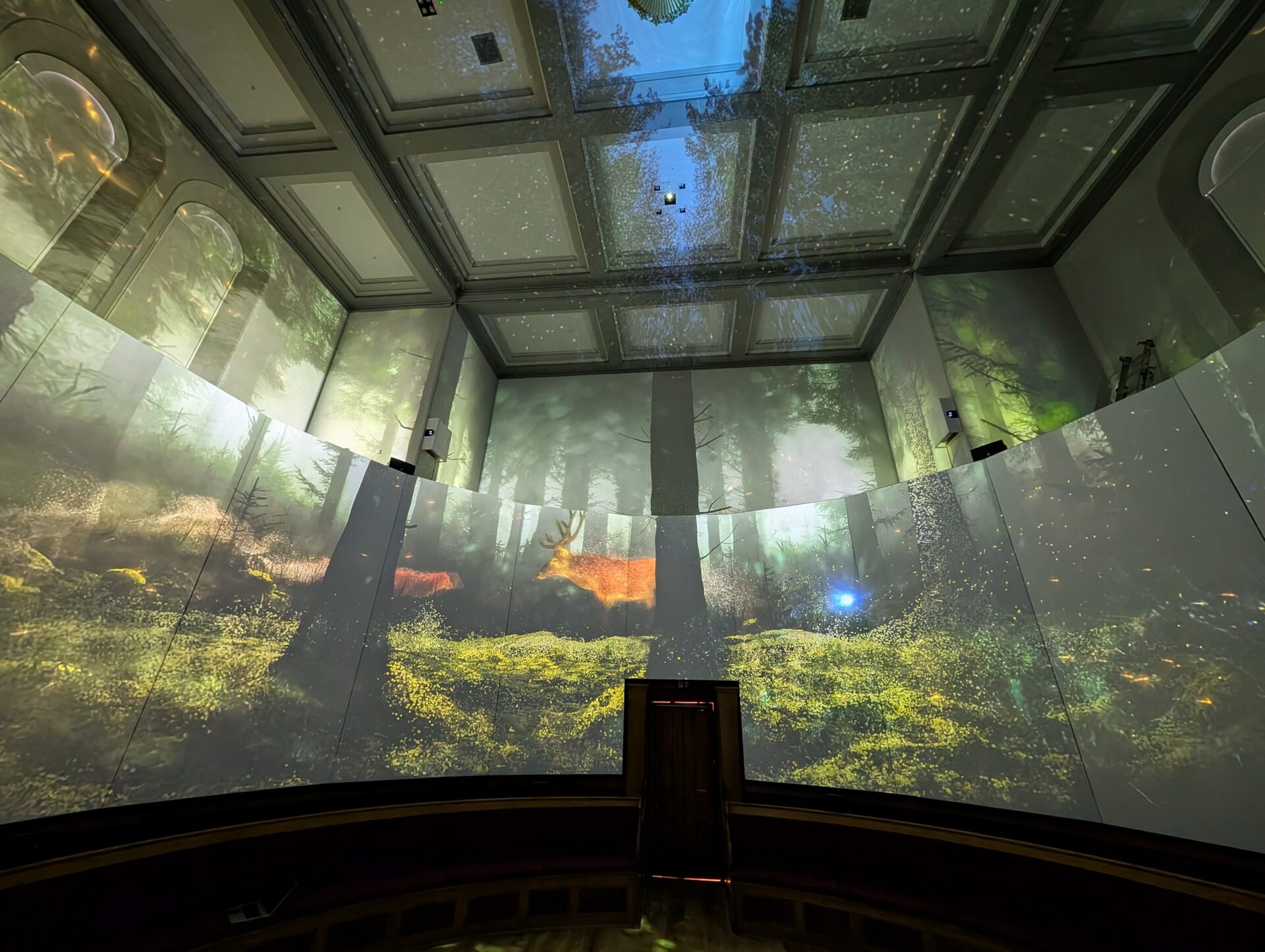
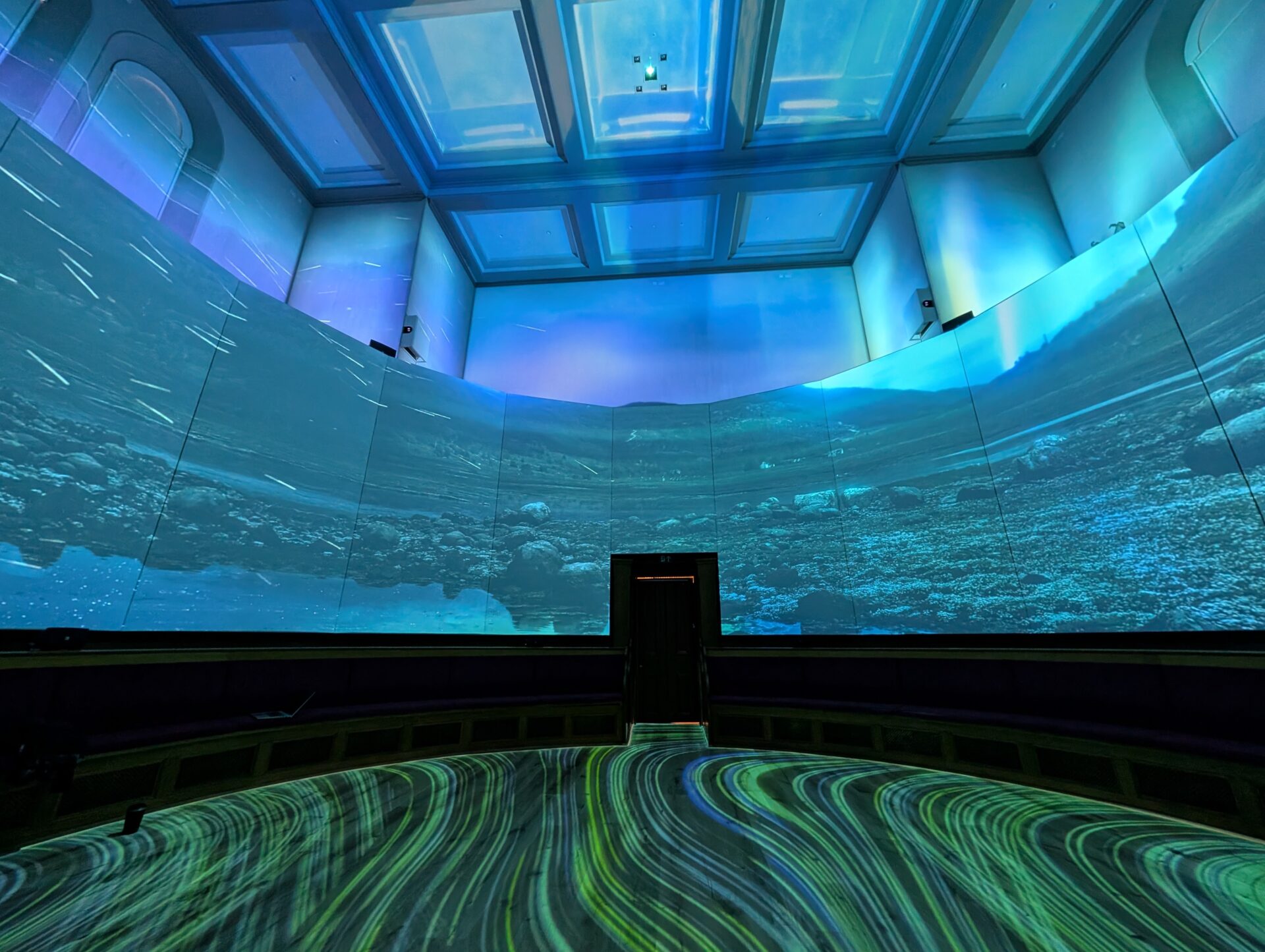
At Inverness Castle, the experience has been designed with a clear destination in mind - everything leads to the immersive Spirit Show. By the time visitors reach it, they’ve moved through stories of landscape, heritage, culture and community. They’ve heard individual voices, encountered different perspectives, and built up their own understanding of what the Spirit of the Highlands might mean. The role of the finale isn’t to repeat that information, but to bring it together as a full story and an emotional culmination of the journey.
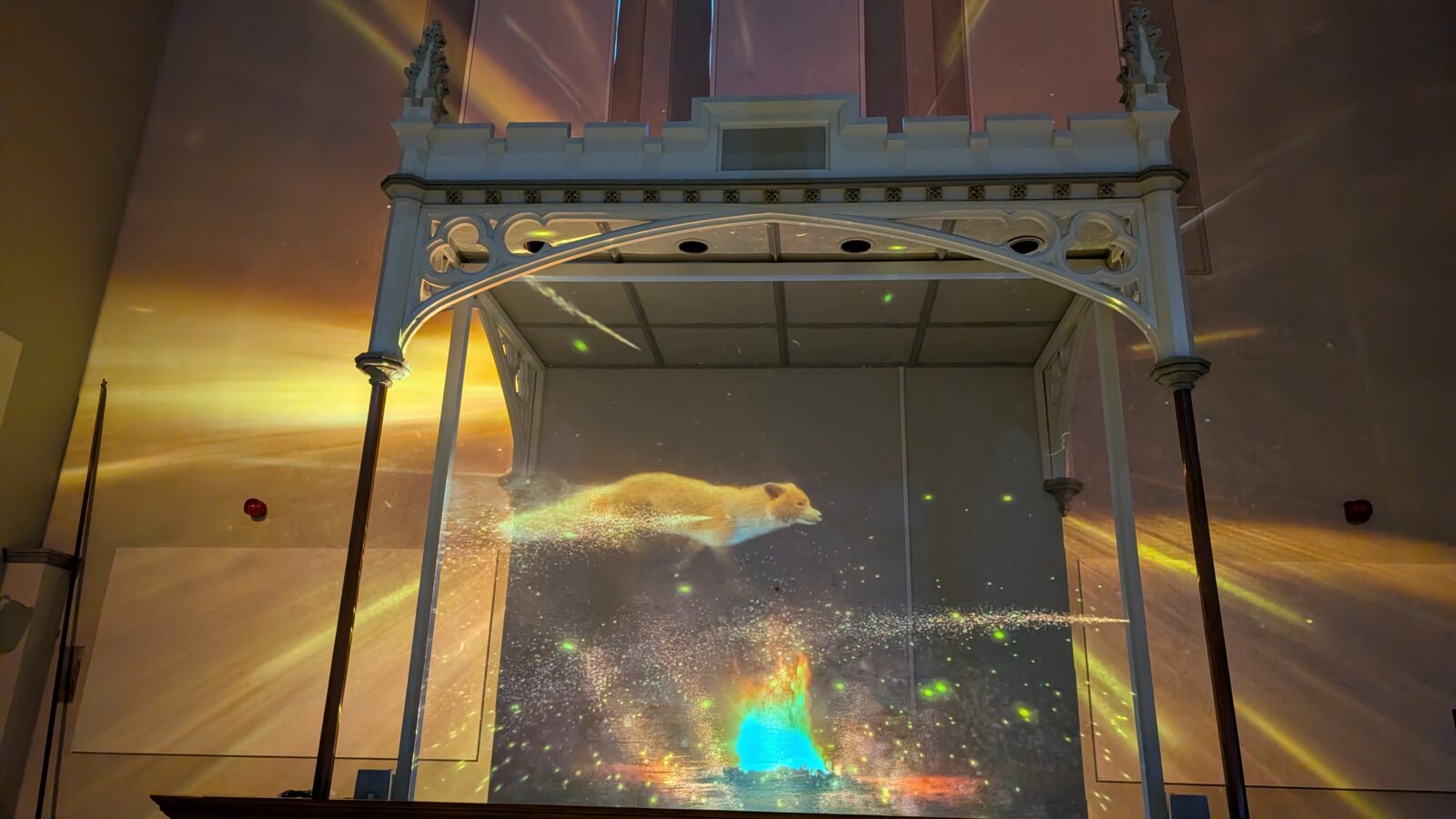
From a design point of view, it’s where the project leans most heavily into theatre. Lighting, projection, sound and scenography are used to create something that’s somewhere between interpretation and performance. It’s not about presenting more content, it’s about creating a moment that resonates with visitors on an emotional level.
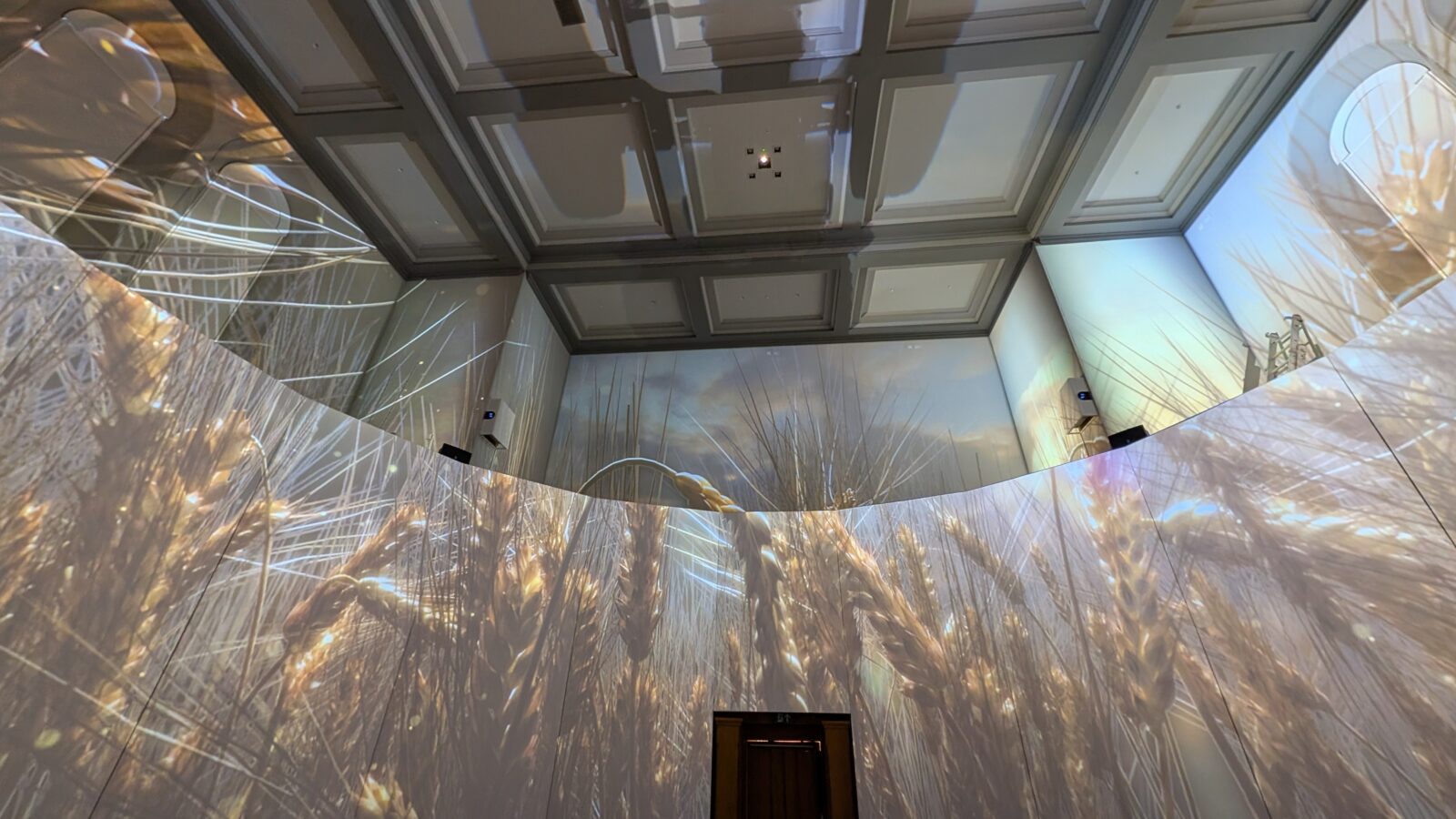
What makes it work is that it doesn’t feel disconnected from the rest of the experience. Because everything’s been building towards it, the transition feels natural. The themes, the voices and the ideas that’ve been introduced earlier are all present, but they’re combined in a way that gives them a different kind of impact – moving from understanding into feeling.
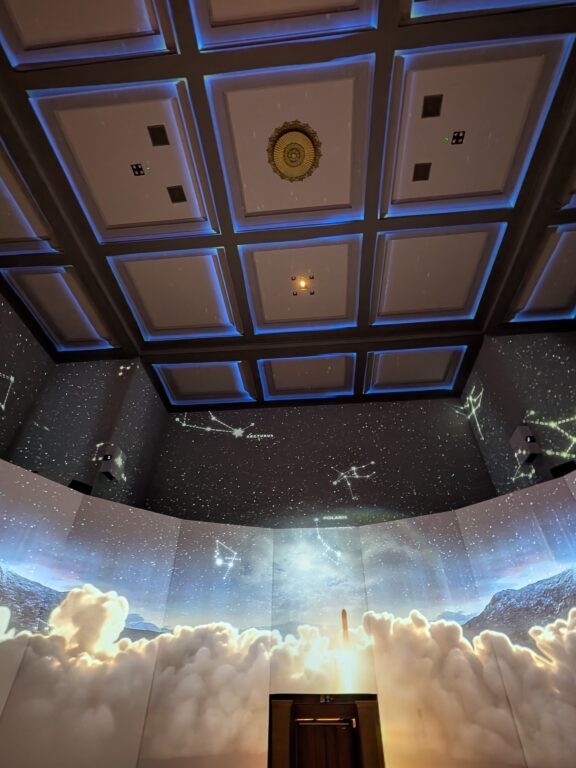
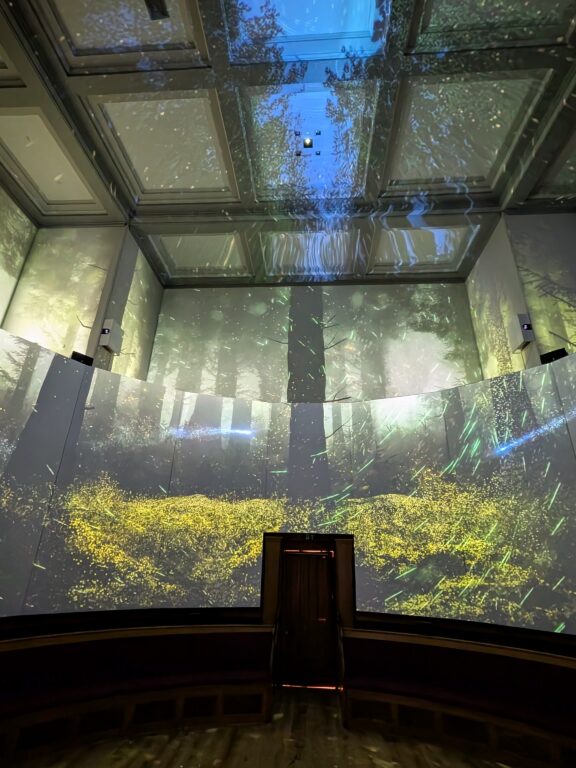
It’s the bit that people tend to remember the most, not the individual panels or displays, but the moment where it all made sense, or where it connected in a way they weren’t expecting. Early feedback from visitors suggests this is where the experience really comes to life – with some describing a genuinely emotional, even tearful response. That’s the role the immersive finale plays here, and it’s what gives the overall experience its sense of completeness.