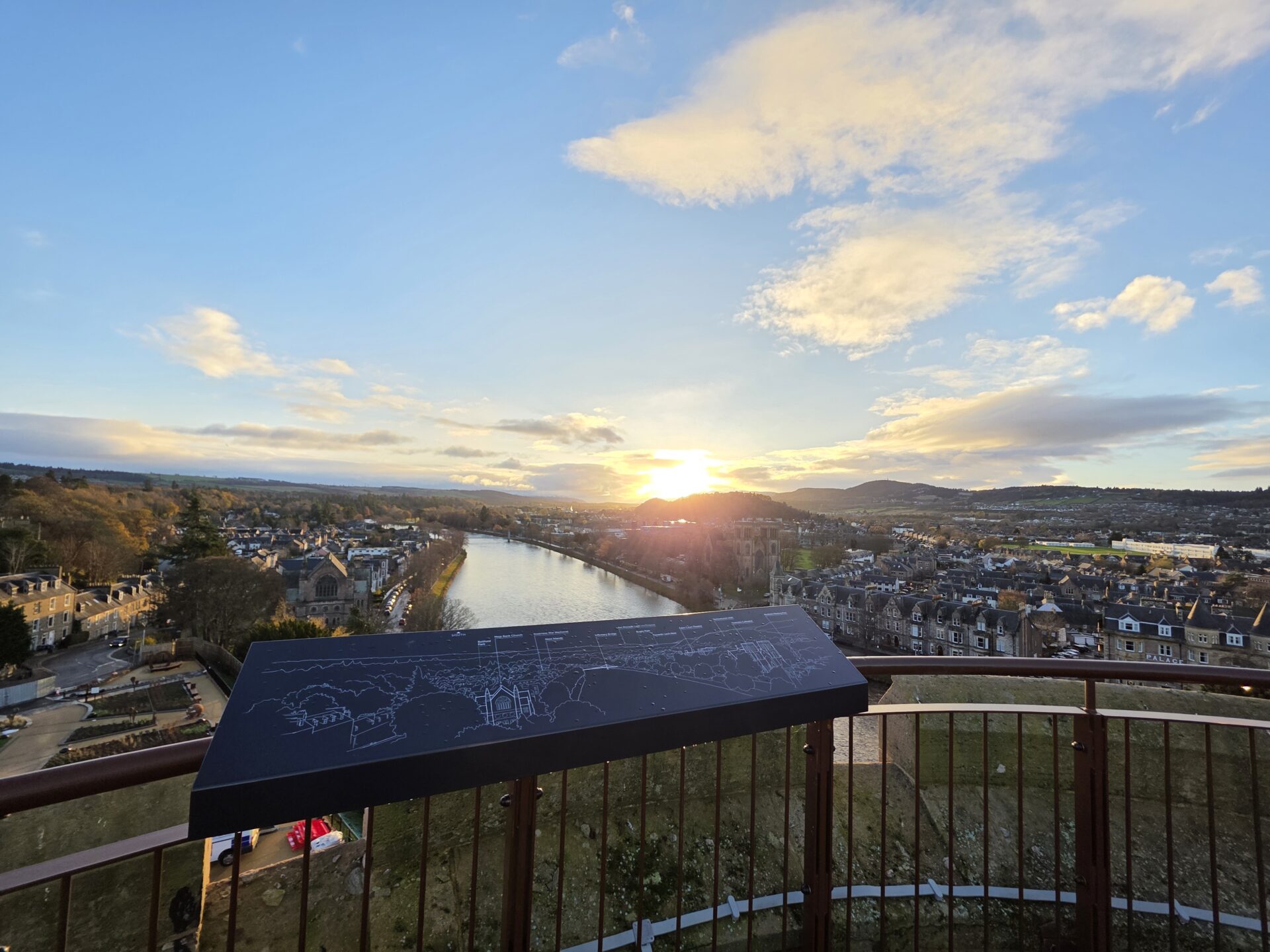
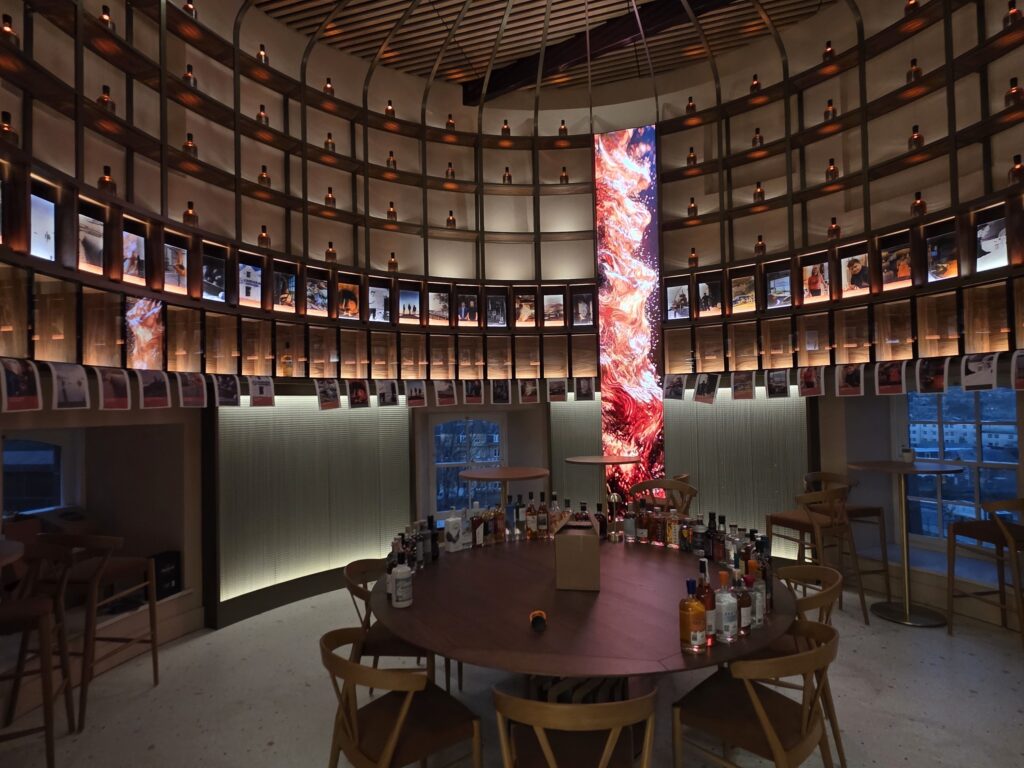
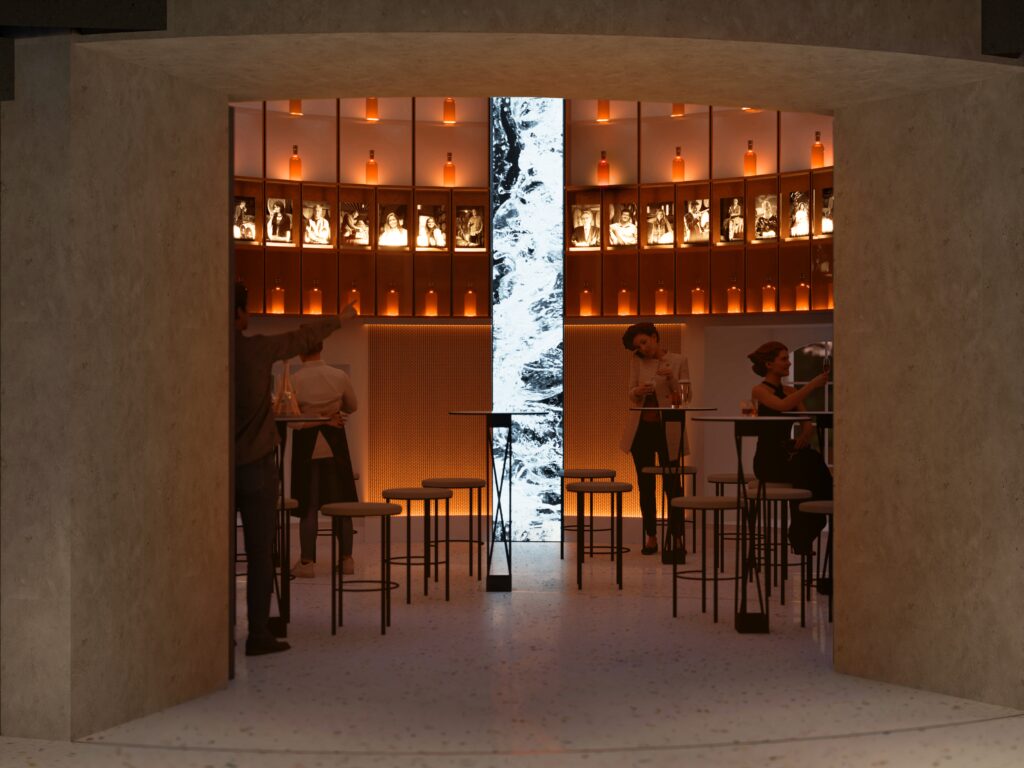
The Spirits of the Highlands distillery experience in the West Tower is a good example of this. Rather than presenting distilling as a static subject, it’s been turned into something more immersive and sensory. A central display creates the illusion of spirits being poured like a waterfall, while the space itself can be used for more bespoke, intimate experiences. It’s informative, but it’s also participatory.
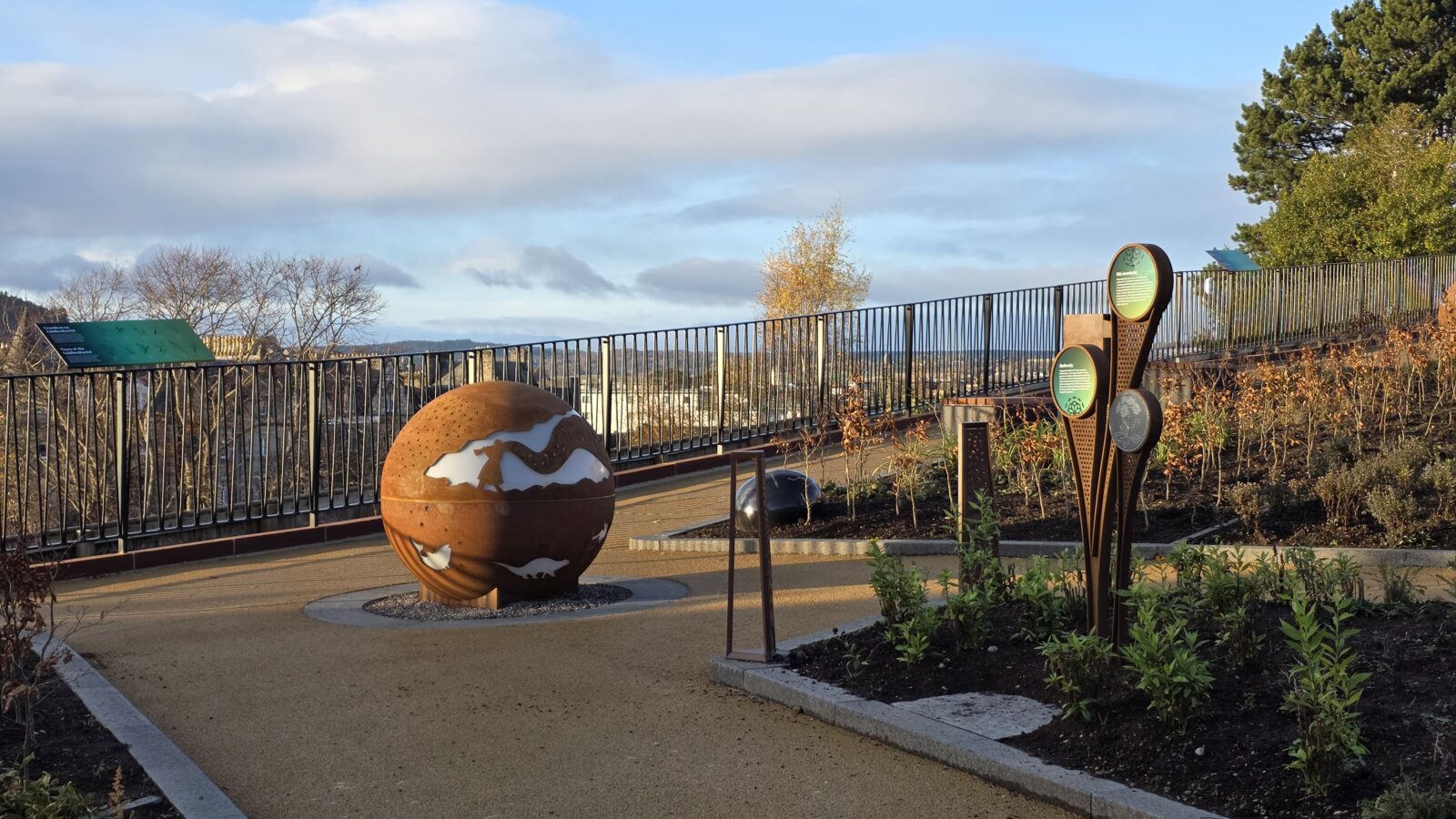
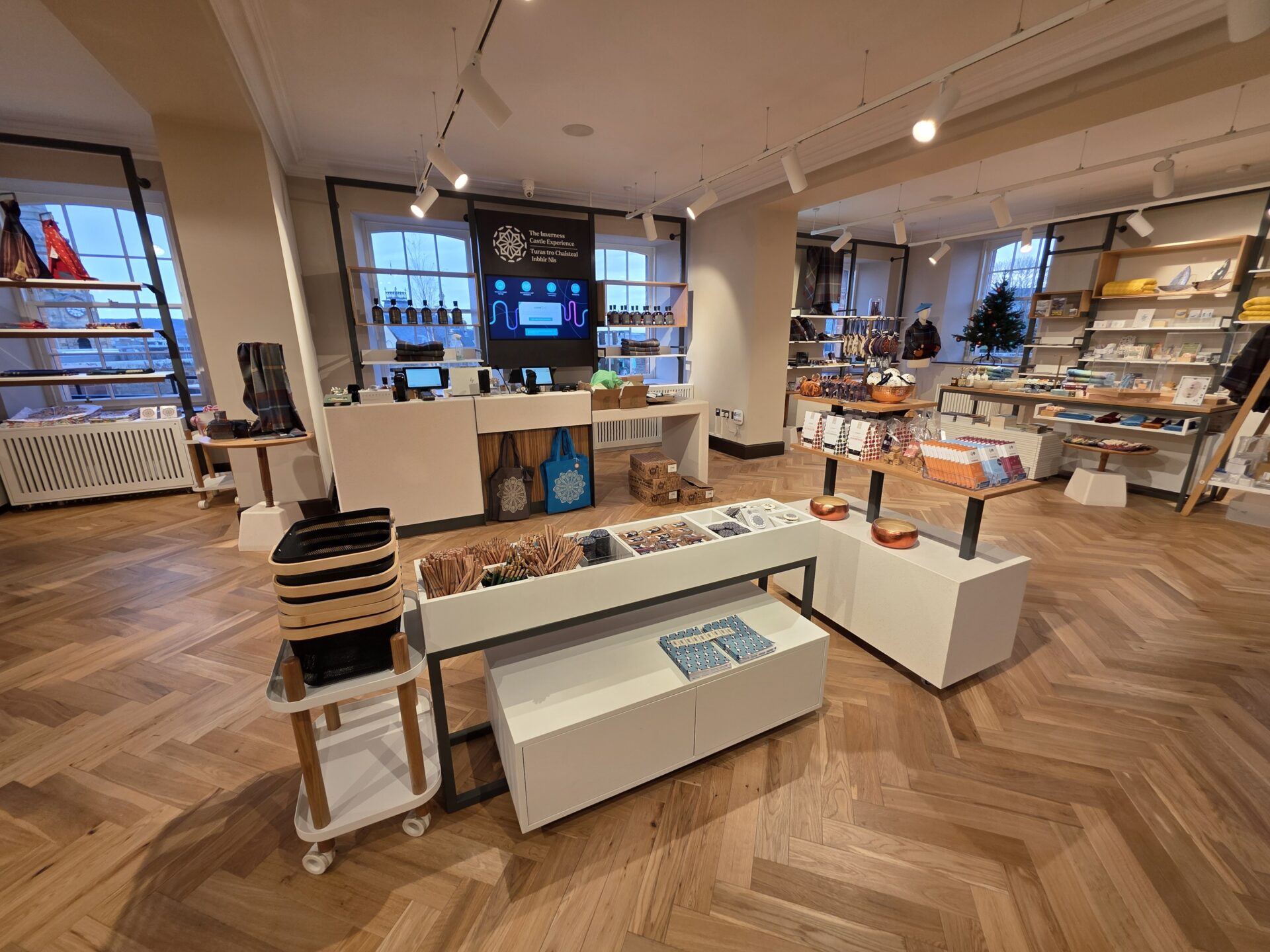
The same thinking has also been applied to retail. Instead of feeling like an add-on, the shop is closely tied to the content visitors have just experienced. Products draw directly from the stories, the illustrations and the themes encountered throughout the castle, all of which create a sense of continuity rather than a break.
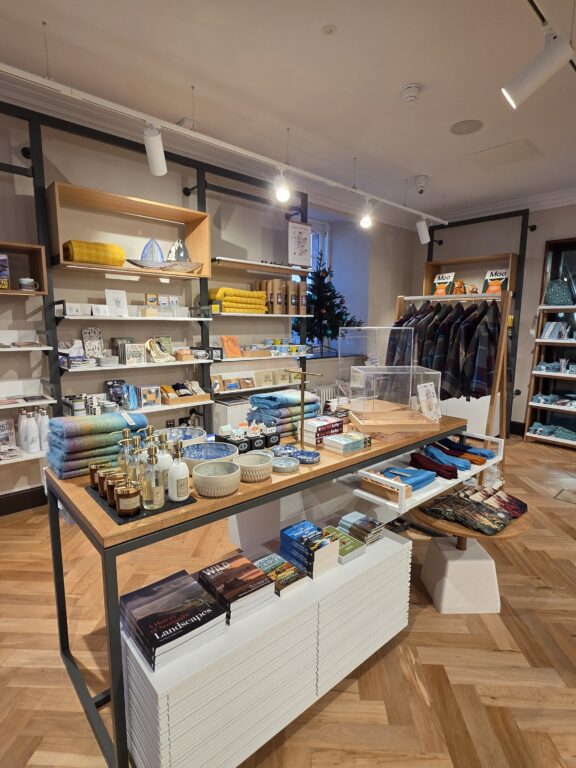
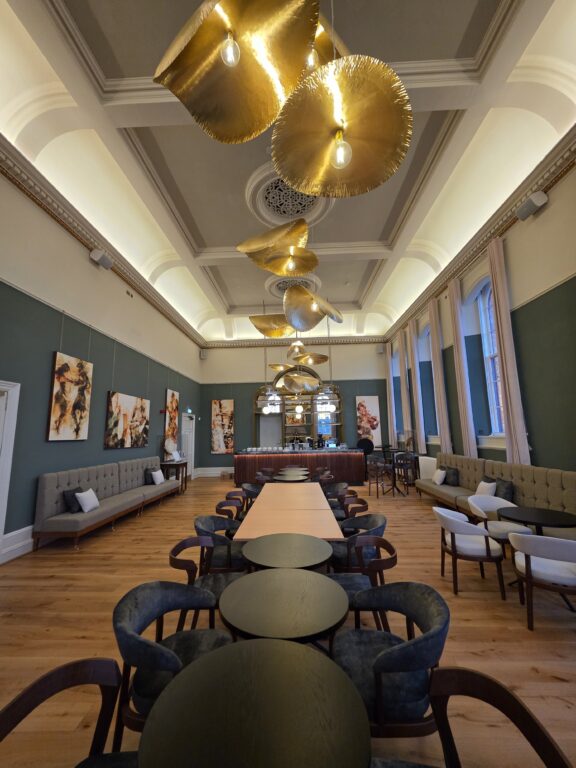
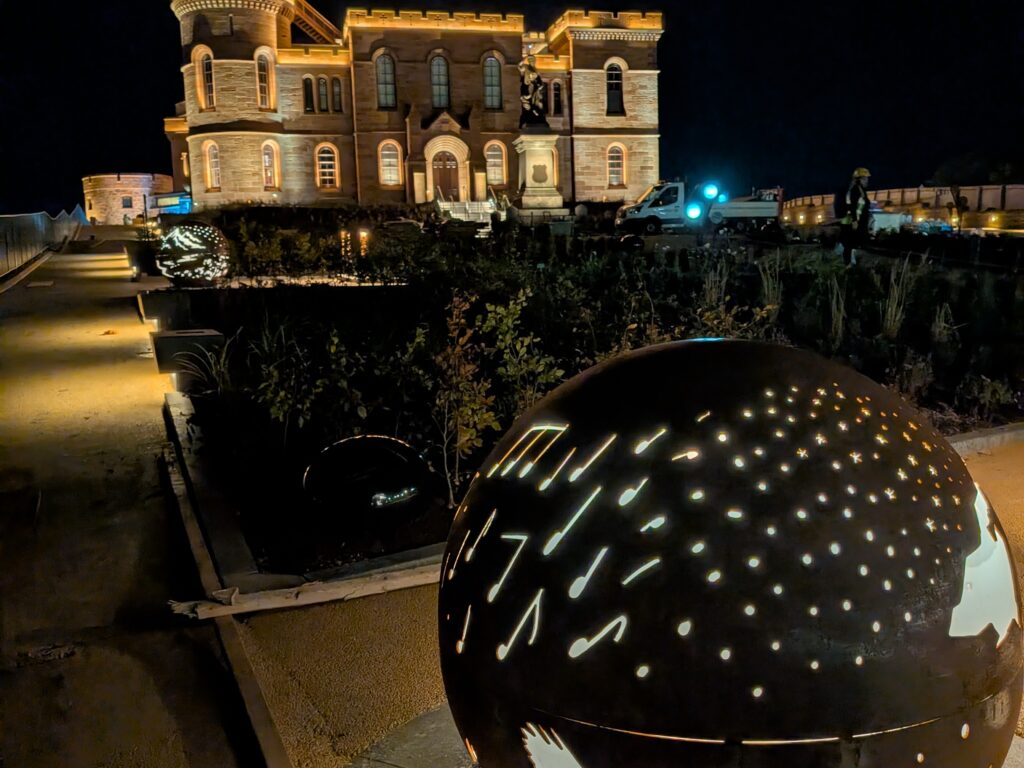
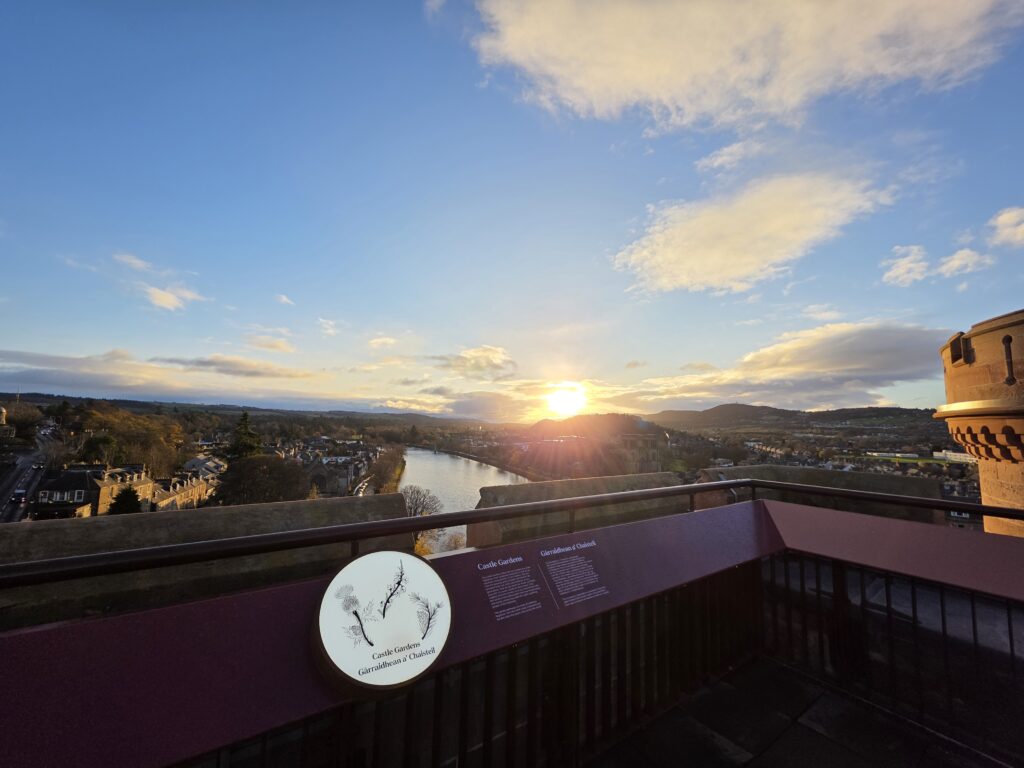
And then there are the gardens, where the story evolves again, moving outdoors but retaining its connection to the Highlands and its heritage. Planting is used as a form of interpretation, with Gaelic names, folklore and traditional uses embedded into the landscape. Visitors can engage physically, through elements like brass rubbings, or more passively, through features such as story orbs that come to life after dark.
What links all these spaces is a shared intent - they’re not there simply to extend dwell time or increase spend, although they’ll ultimately do both of those things, but to ensure the experience doesn’t stop abruptly and instead evolves as visitors move through it.
When every part of the journey is connected, people don’t feel like they’ve reached the end of something – they feel like they’ve completed it.