As experienced museum designers, we know that a lack of artefacts doesn't limit the visitor experience, it simply challenges us to find more creative ways to tell the story.
Some of the most important stories we tell in museums have little or nothing to do with physical artefacts - they might be about a movement, an idea, a community or an event that changed people's lives. The evidence may exist only in written records, photographs, memories or oral histories, yet those stories are often the ones that visitors connect with most deeply. The challenge is knowing how better to tell the story.
Start with the story
Museums have traditionally been built around collections, so it's understandable that objects often become the starting point for interpretation. They provide authenticity, spark curiosity and help people connect with the past. But objects are only one way of communicating an idea. When we begin developing an exhibition, we're usually far more interested in understanding what visitors should take away than in counting how many artefacts are available. If a story matters, it deserves to be told! The role of interpretation is to find the most effective way of bringing it to life.
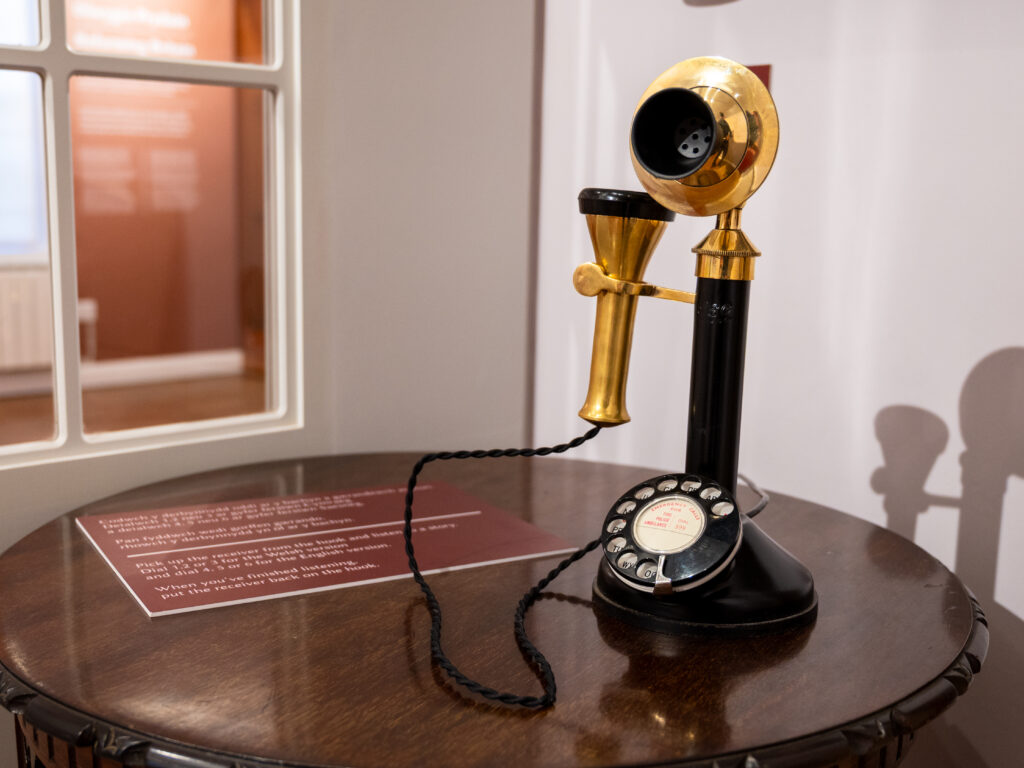
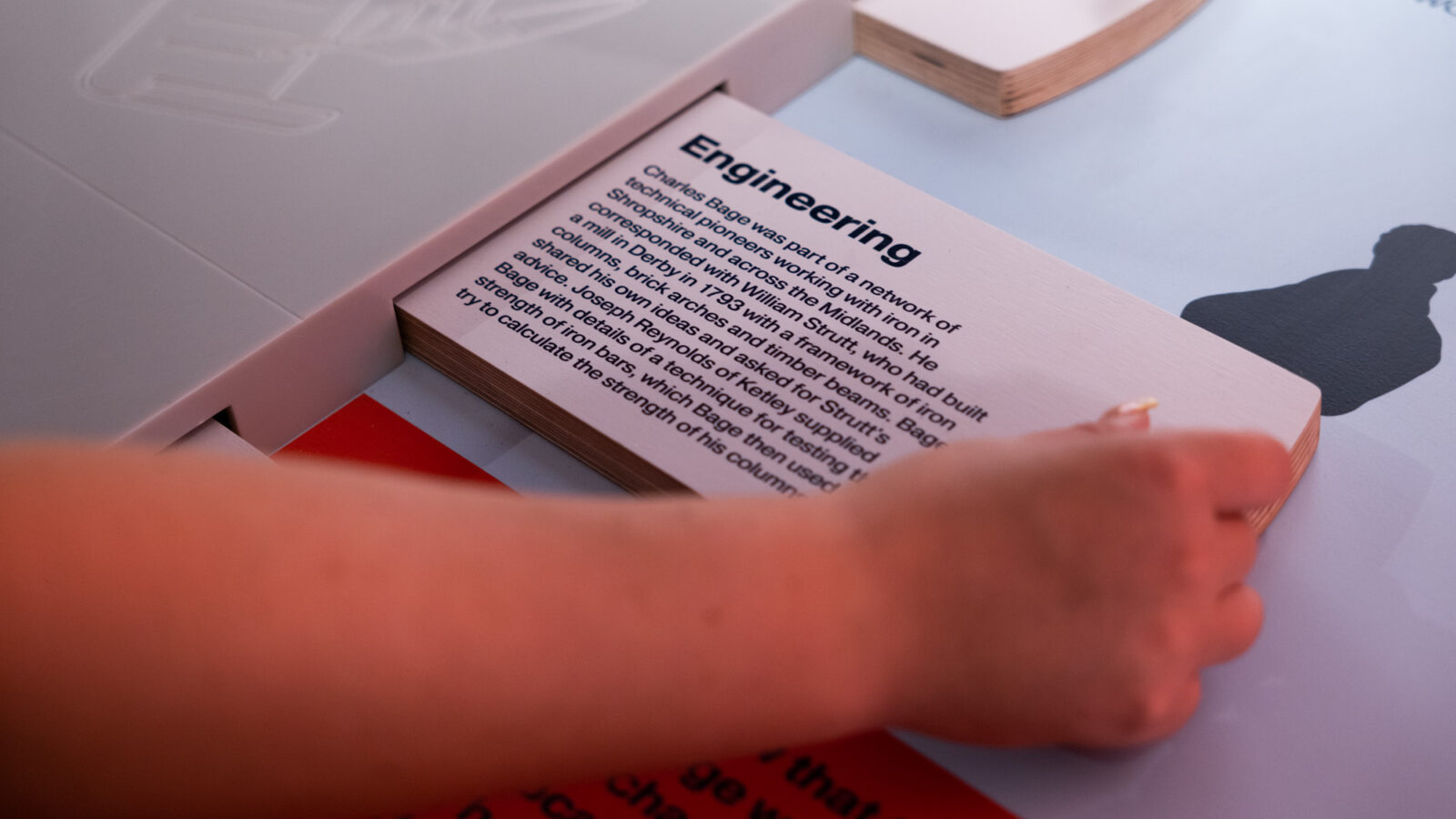
Sometimes that is through an object, but quite often it isn’t. Audio can allow visitors to hear first-hand accounts; illustrations can reconstruct moments that were never photographed. Interactive media can explain complex ideas that no artefact could ever convey on its own. Film, projection, immersive environments and carefully crafted graphics all allow visitors to experience history in ways that go far beyond what's inside a display case.
Good interpretation doesn't replace objects, but it complements them and, where necessary, stands confidently without them.
Filling gaps
One of the biggest risks is feeling obliged to include an object simply because visitors expect to see one. We've all seen displays where an artefact feels disconnected from the story being told - it might be from roughly the right period or loosely linked to the subject, but it doesn't really add anything meaningful. Instead of strengthening the interpretation, it distracts from it, and in those situations, less is often more.
A powerful oral history, an immersive soundscape or a beautifully illustrated reconstruction can sometimes communicate far more than an unrelated object ever could. Visitors rarely leave talking about how many artefacts they saw – but they absolutely remember the stories that made them think, feel or see something differently.
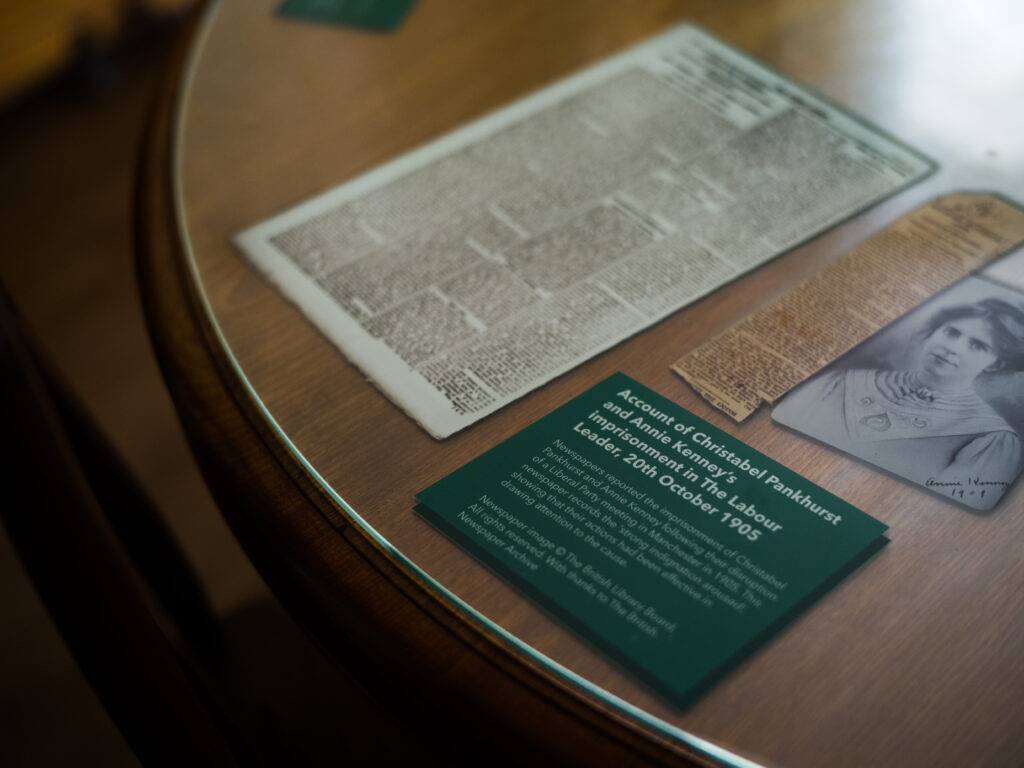
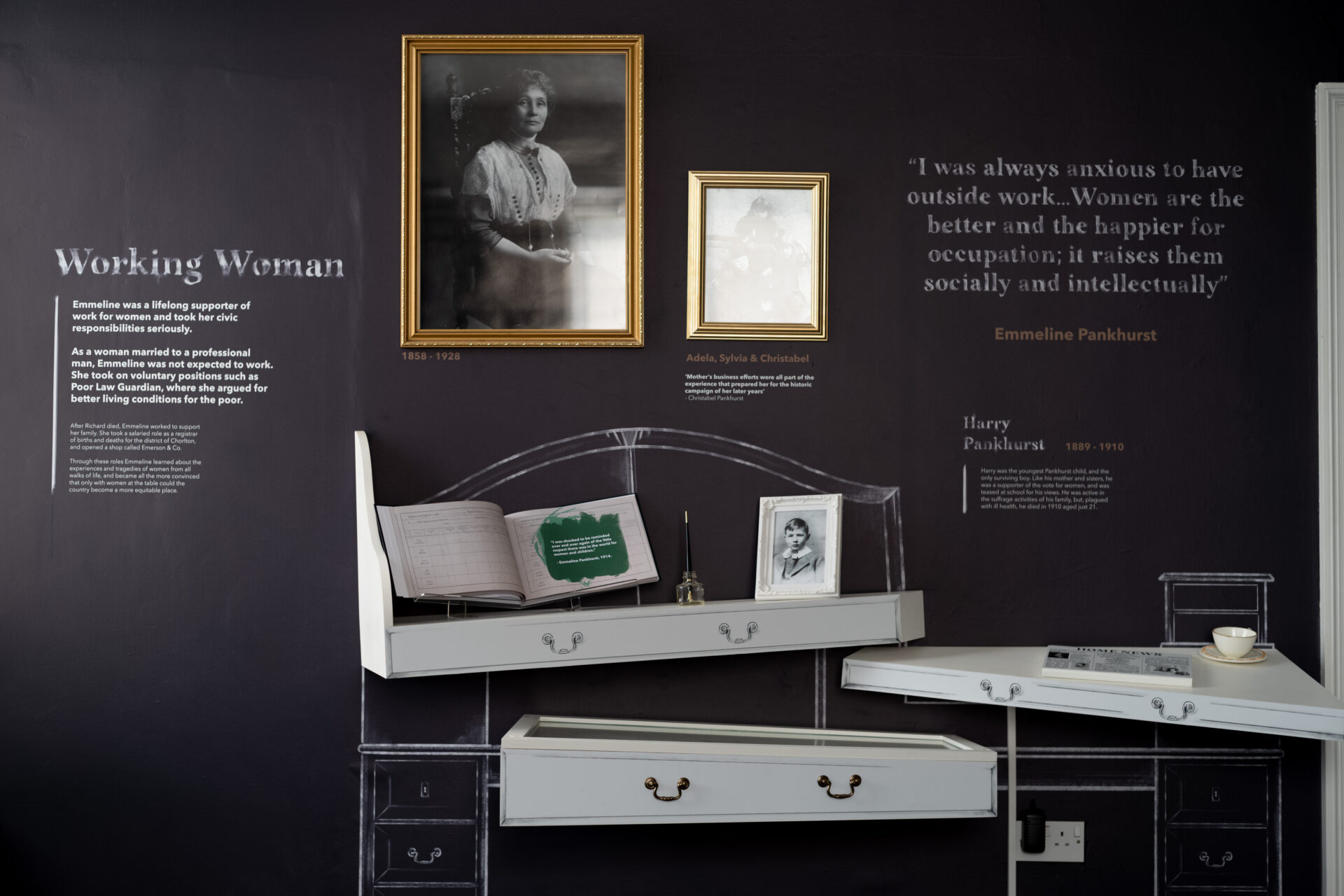
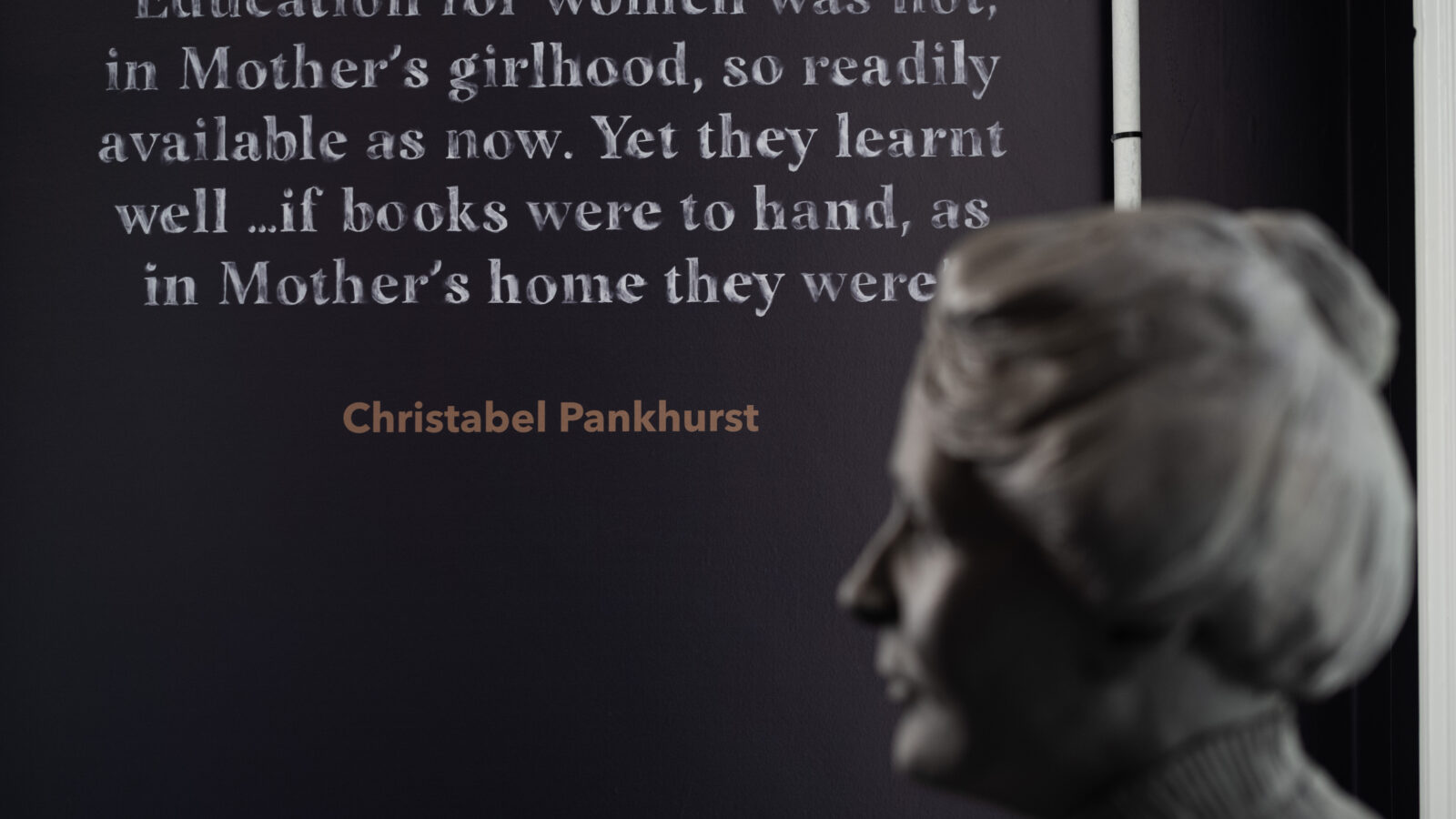
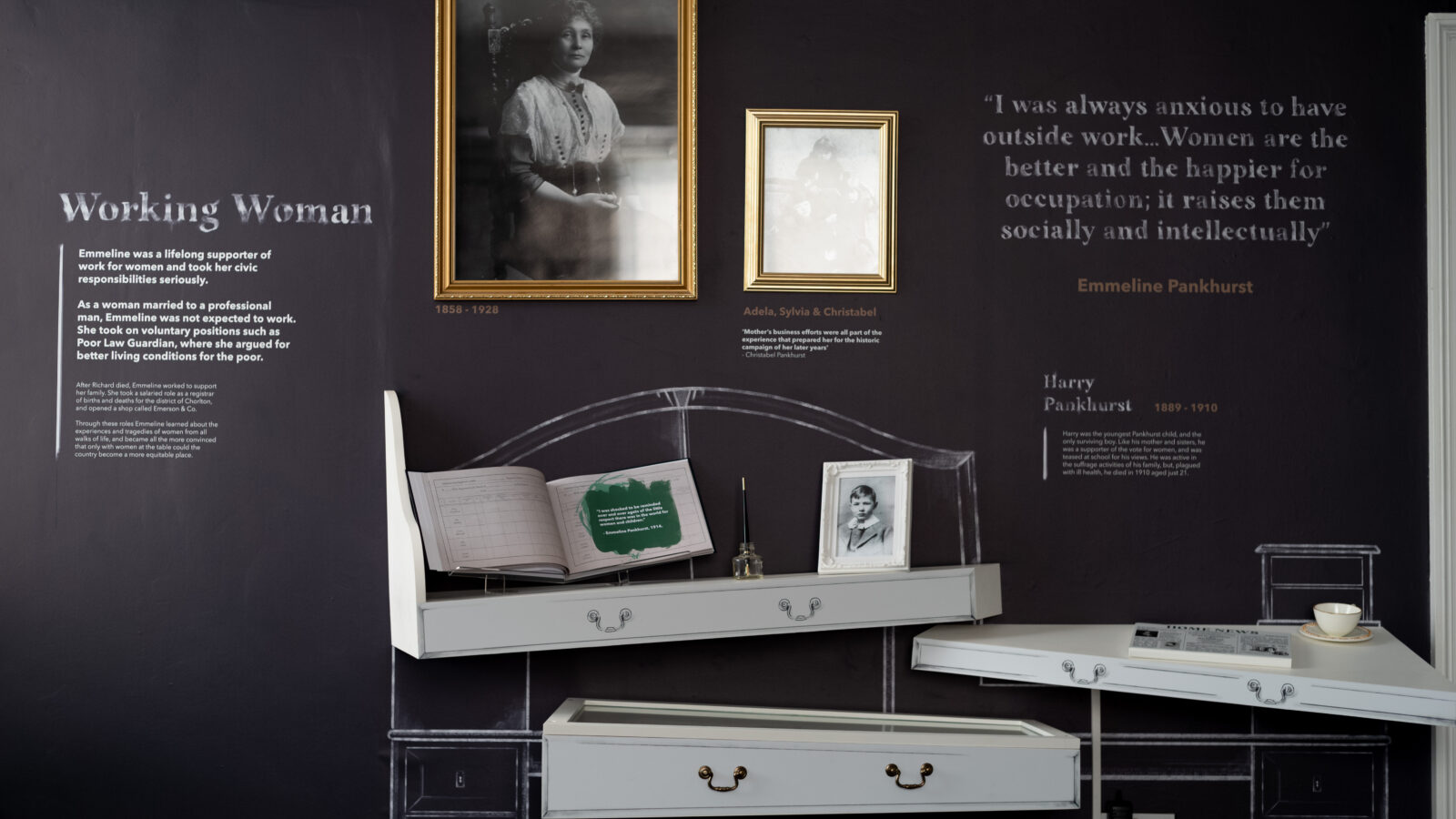
Projects such as our work at the Pankhurst Centre demonstrate that some stories are bigger than the objects associated with them. The importance lies in the ideas, the people and the impact they had on society. Interpretation helps visitors understand those themes in ways that individual artefacts never could.
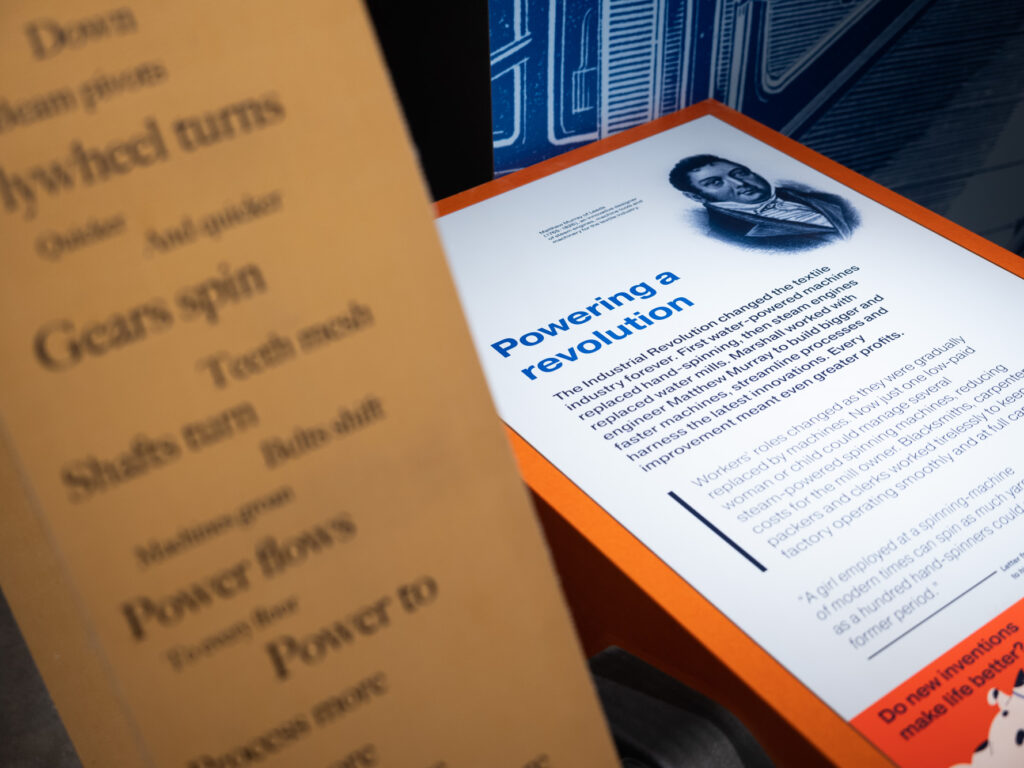
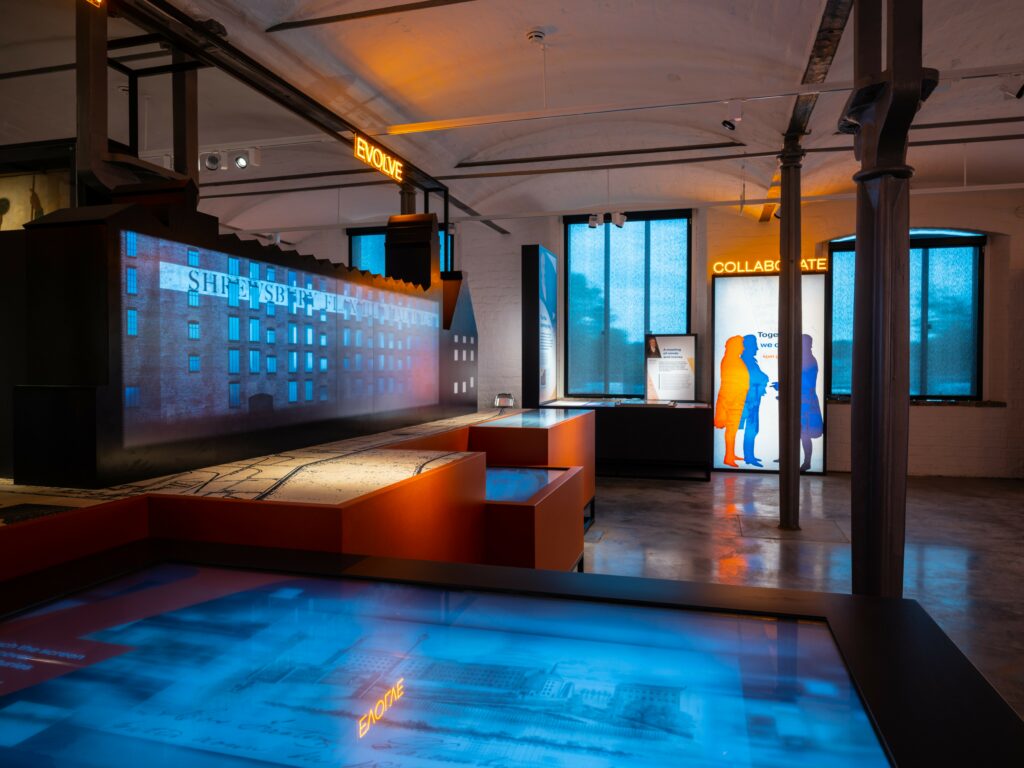
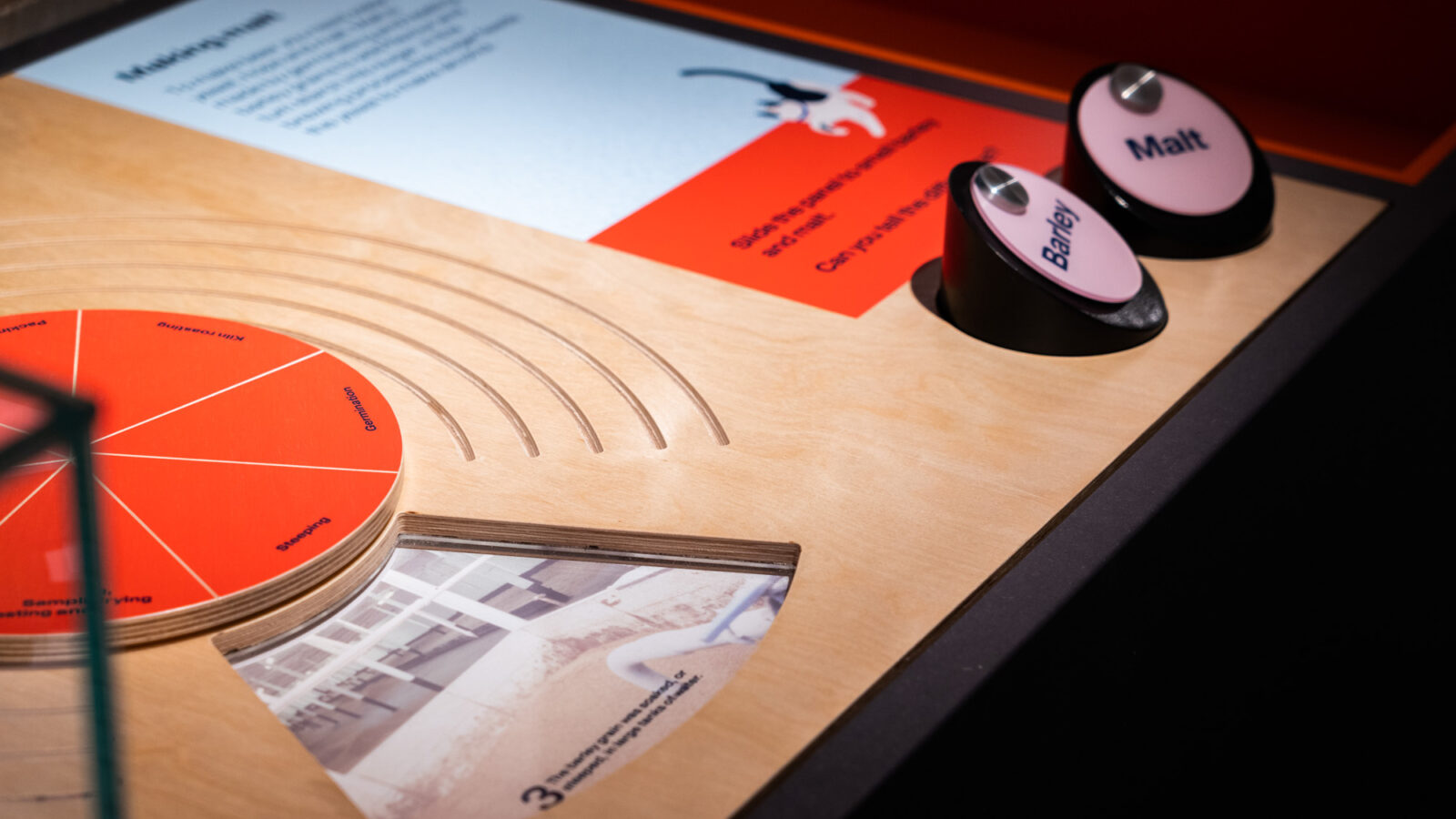
At Shrewsbury Flaxmill Maltings, the building itself was one of the most significant objects on site, yet much of the visitor experience relies on helping people understand the innovation, industry and lives that once filled it. The stories extend well beyond what can physically be displayed.
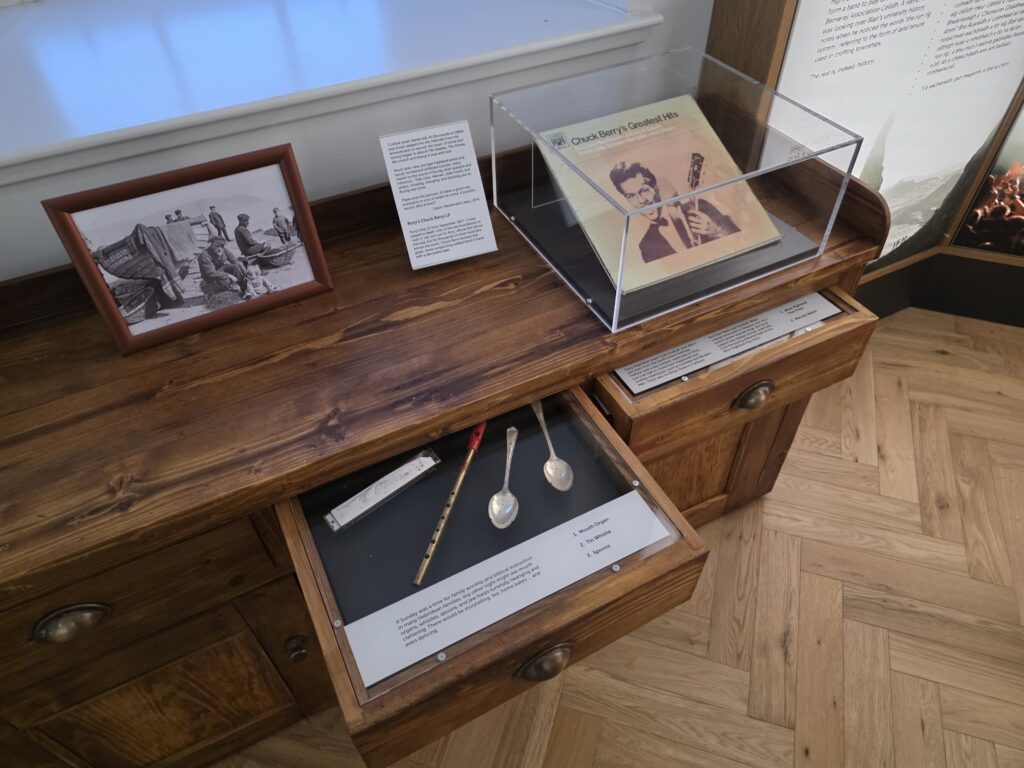
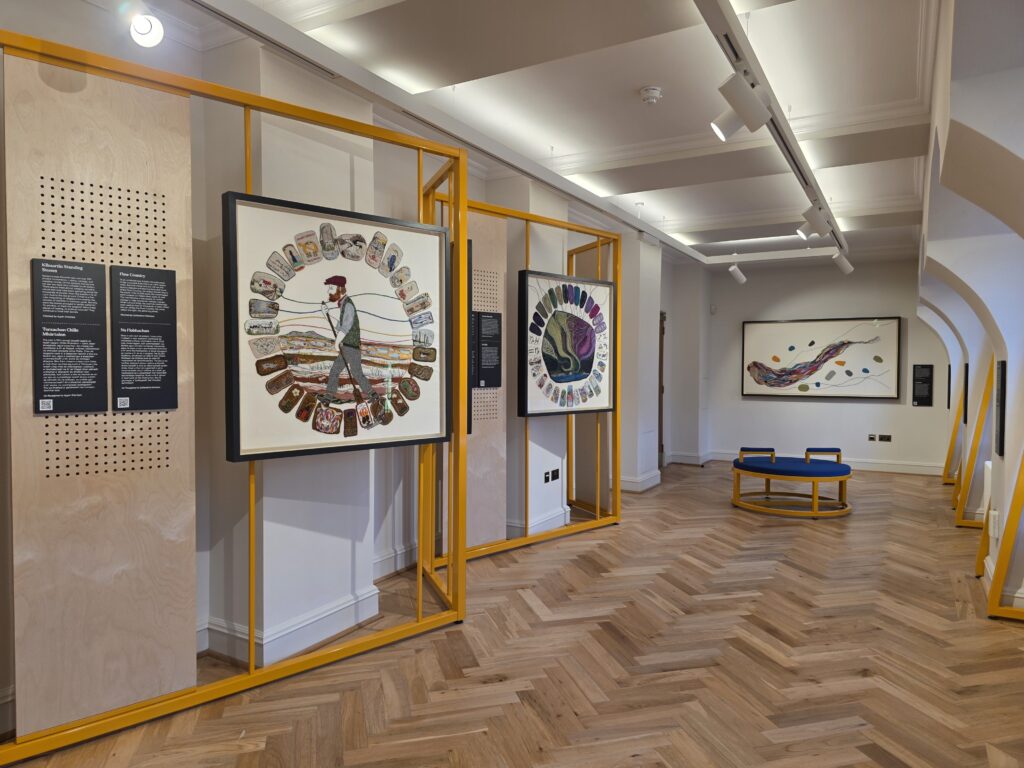
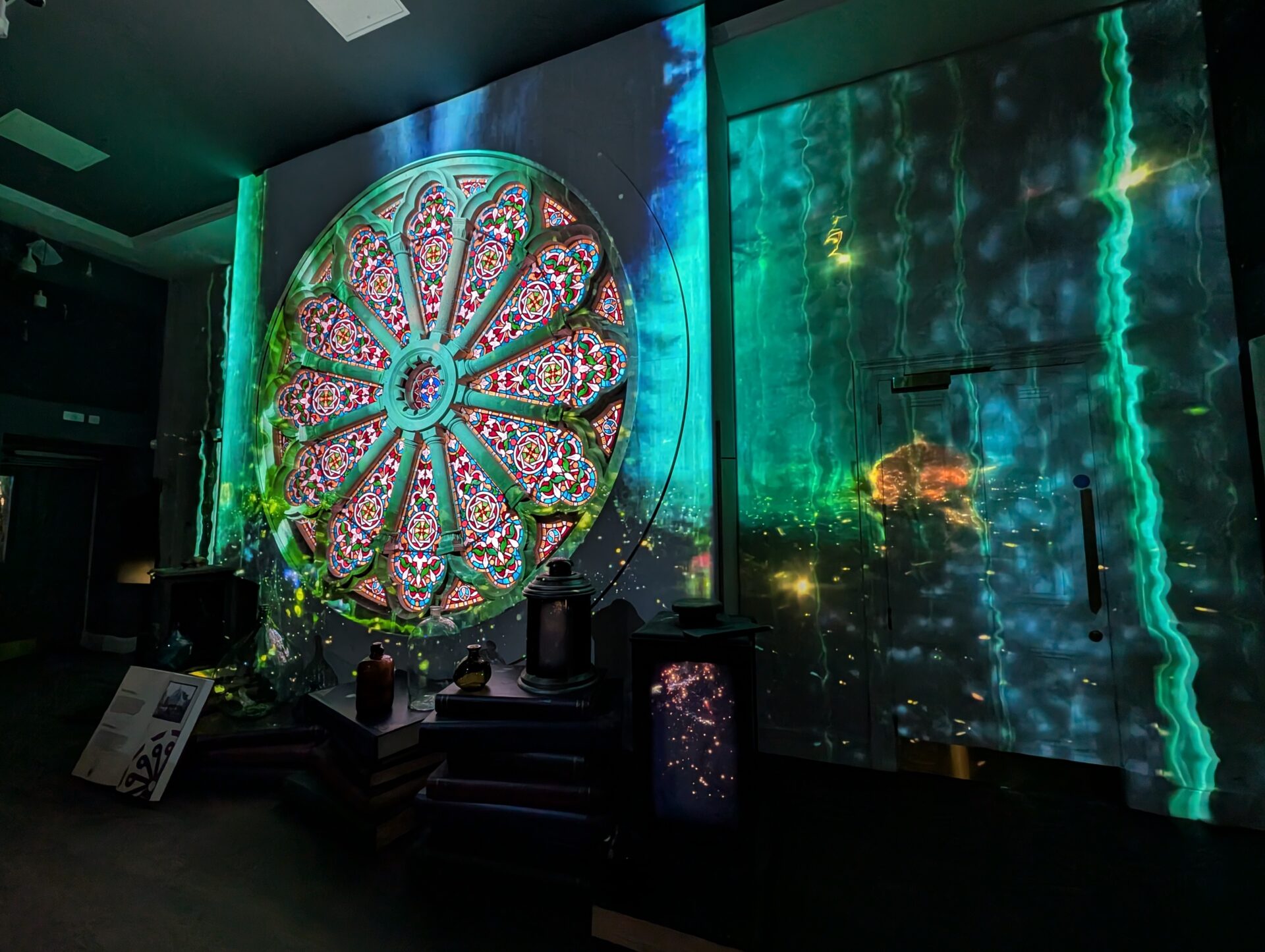
And at our most recent project - the Inverness Castle Experience, it follows a similar philosophy, using immersive interpretation to explore the culture, landscapes and people of the Highlands, rather than relying solely on traditional collections.
Each project takes a different approach, but they all begin with the same question: "What's the best way to tell this story?"
Story first
Objects will always have an important place in museums. They create tangible links with the past that nothing else can quite replicate, but they should never become the measure of whether a story deserves to be told.
The most memorable visitor experiences don't begin with a display case, they begin with a compelling story and the creativity to interpret it in the right way. Sometimes an object is the perfect way to do that, but often it isn’t needed at all.
If you’d like to talk to one of our designers about your project, get in touch.