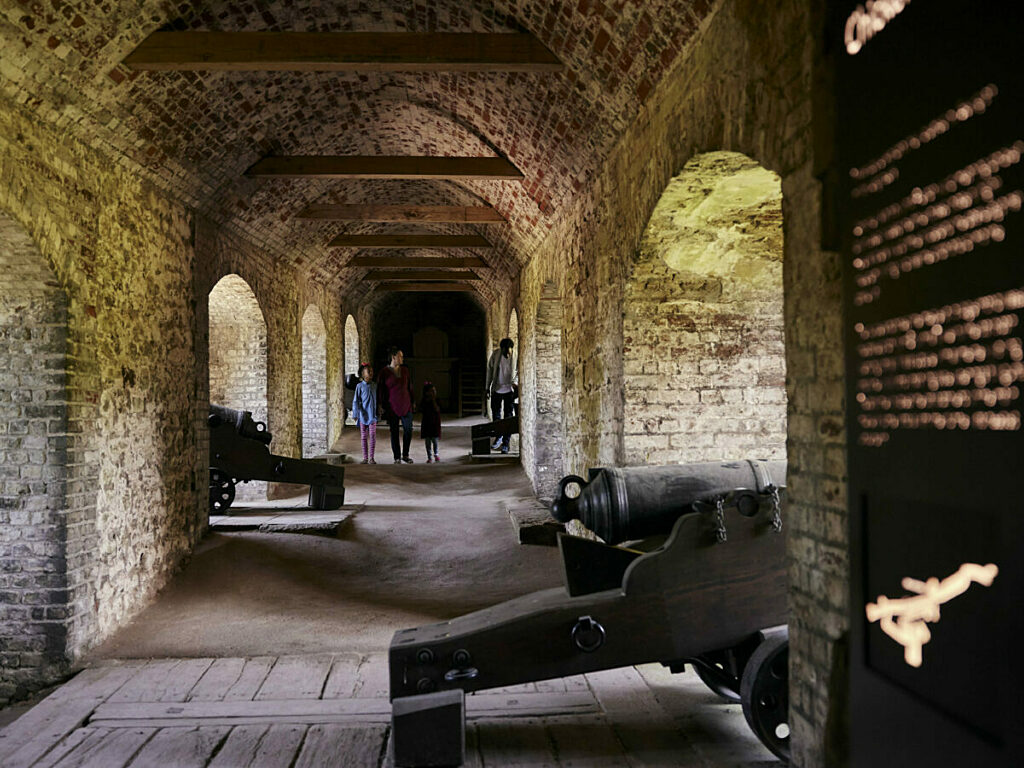
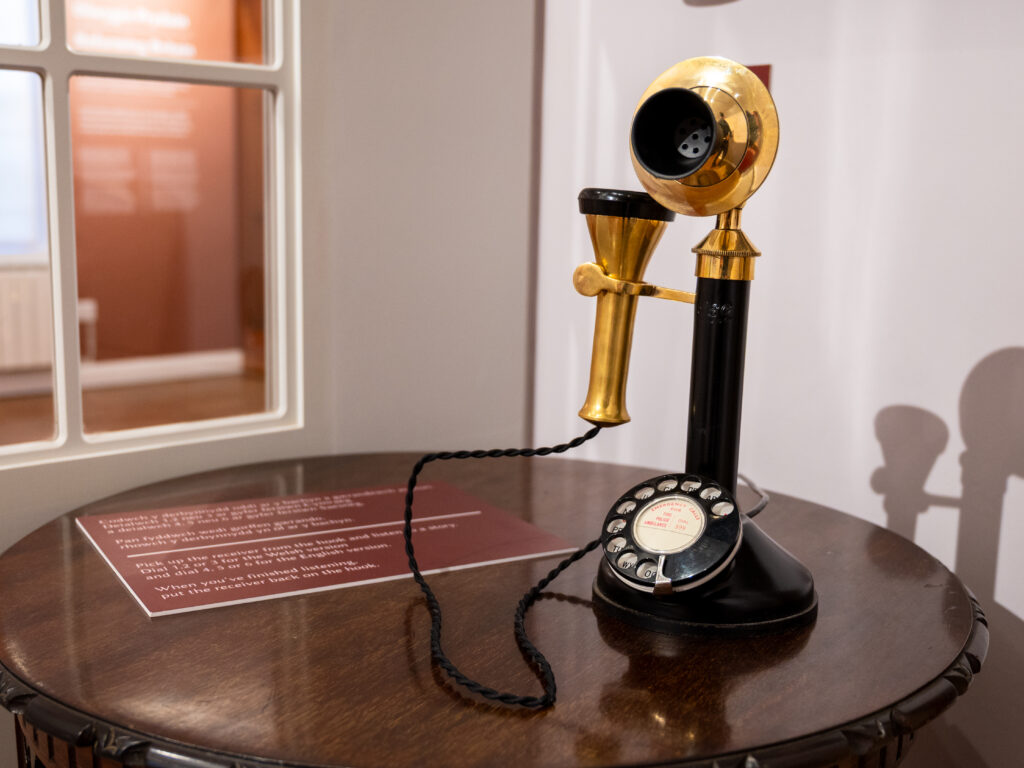
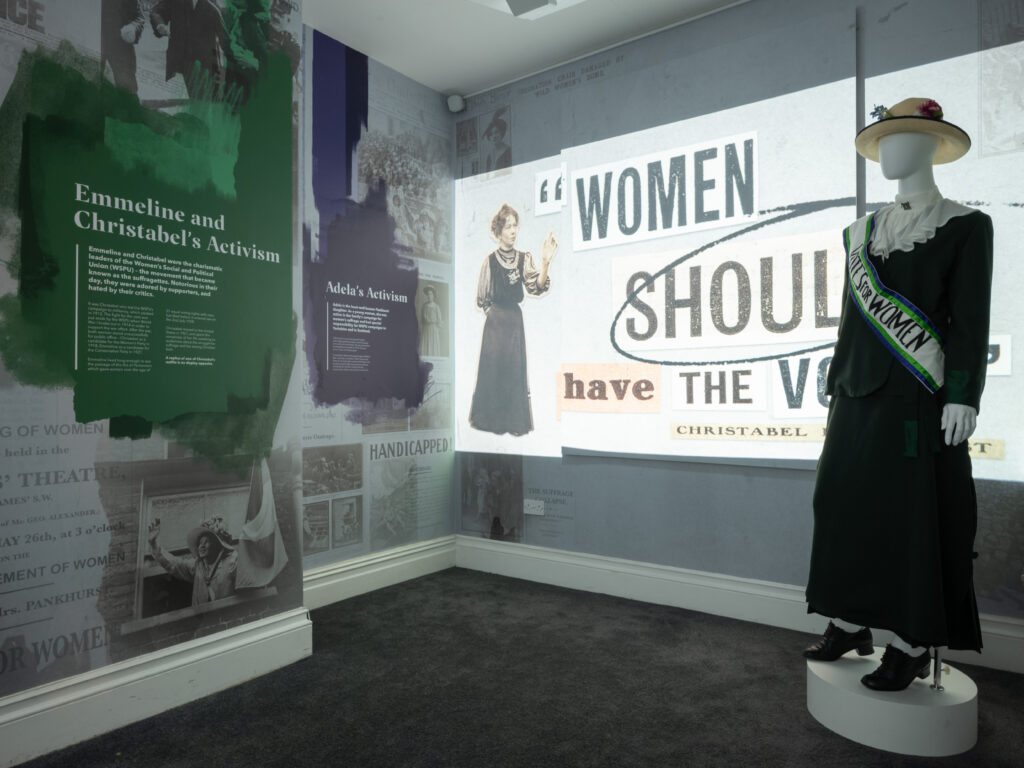
This year marks ten years since we completed the redevelopment of Norton Priory Museum and Gardens and five years since the reopening of the Pankhurst Centre in Manchester. Both projects gave us the opportunity to tell important stories through carefully considered design, and it's rewarding to see these places continuing to welcome visitors years after our work was completed.
It's also got us thinking about what happens to a visitor experience once the ribbon has been cut, the doors are open and the first visitors have walked through. For the design team, opening day is the culmination of months, sometimes years, of planning, consultation, research and development. For the people responsible for running the attraction, however, it's just the beginning. So how do you design a museum or visitor experience that works just as well in ten years as it does on day one?
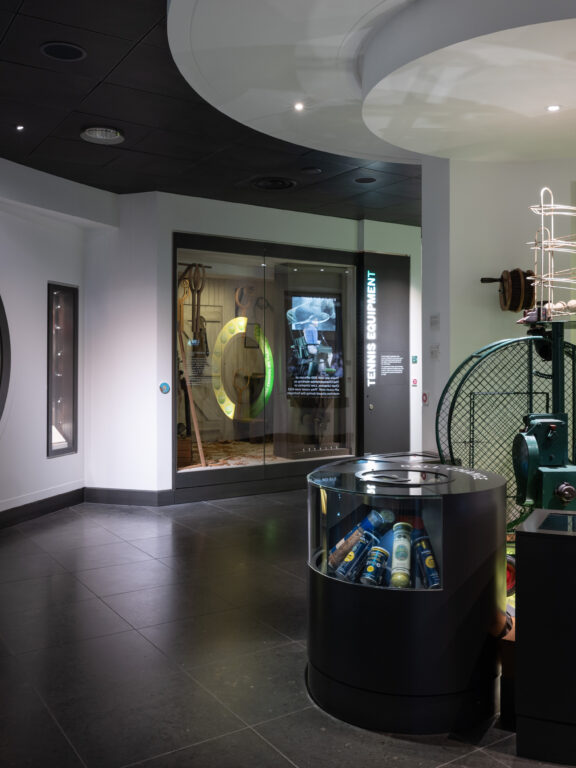
Designing for the future
When we're working on a new museum or visitor attraction, there's naturally a great deal of focus on what the finished experience will look like. How will visitors move through the space? How will the stories be told? What will they see, hear and interact with? But alongside those immediate considerations, we also need to think about how the attraction might be used in the years ahead.
Museums aren't static environments. Collections develop, new research comes to light, audiences change and the organisations responsible for them often have new ambitions. A museum might want to introduce a new exhibition, accommodate a recently acquired collection or create additional opportunities for schools and community groups. There may also be changes in the way visitors engage with interpretation and technology. Thinking about these possibilities during the design process can make a considerable difference to how easily an attraction can develop over time.
That might mean incorporating flexible exhibition spaces, allowing for the replacement or updating of interpretation, or considering how different areas of a building could be used for events and activities beyond their original purpose. It's about understanding that the experience we're designing today will continue to evolve long after we've handed over the keys.
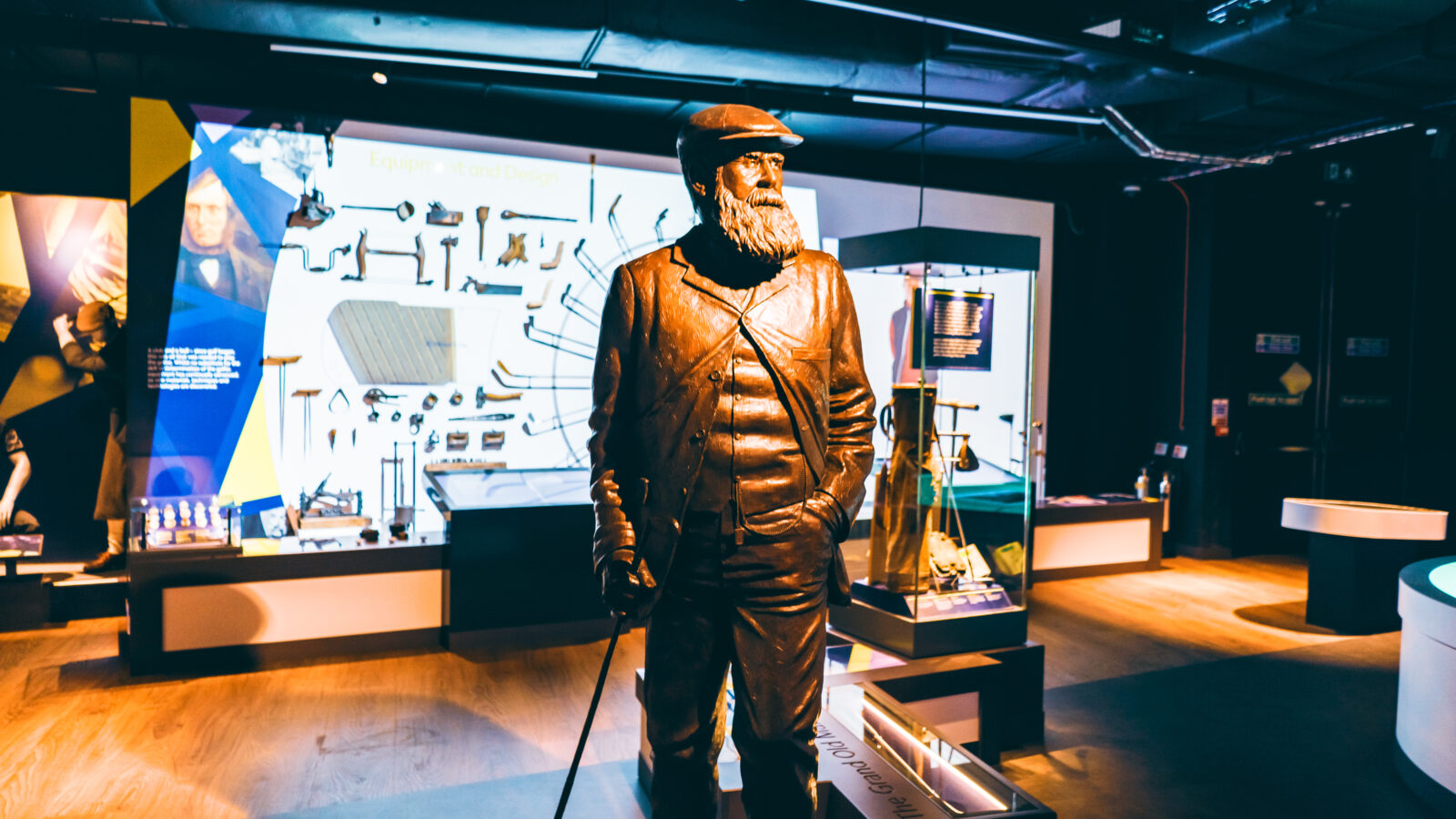
Room to grow
One of the most interesting aspects of working in the heritage sector is that the stories themselves are continually developing. Historical research can reveal new information, collections can be reinterpreted and different perspectives can change how we understand the past. It’s particularly important for museums that represent communities, places or periods of history where there are many different voices and experiences to consider.
When developing an exhibition, we spend a great deal of time working with clients, historians, curators and community groups to establish which stories should be told and how best to communicate them. But we also recognise that the interpretation created at the time of opening may not be the final word on a subject. Designing with this in mind allows museums to introduce new material and respond to emerging research, while maintaining a coherent visitor experience. It also gives organisations the opportunity to keep their exhibitions relevant to returning visitors, who may discover something different each time they visit.
Visitor experience
A museum's long-term success involves much more than the exhibitions themselves - the way people use a building, how easily they can find their way around, where they can sit and take a break, and the facilities available to them all contribute to their experience. These are considerations that can become even more important as an attraction develops and its audience grows.
A space originally designed for one purpose might later need to accommodate a different activity, while changes to visitor numbers or the introduction of new events can place different demands on the building. That's why we look at the visitor journey as a whole, considering how exhibition spaces, circulation routes, learning facilities, retail and other public areas work together.
Understanding the operational requirements of an attraction is just as important as creating an engaging exhibition. - those two things need to work together if the experience is going to be successful over the longer term.
Looking back and moving forward
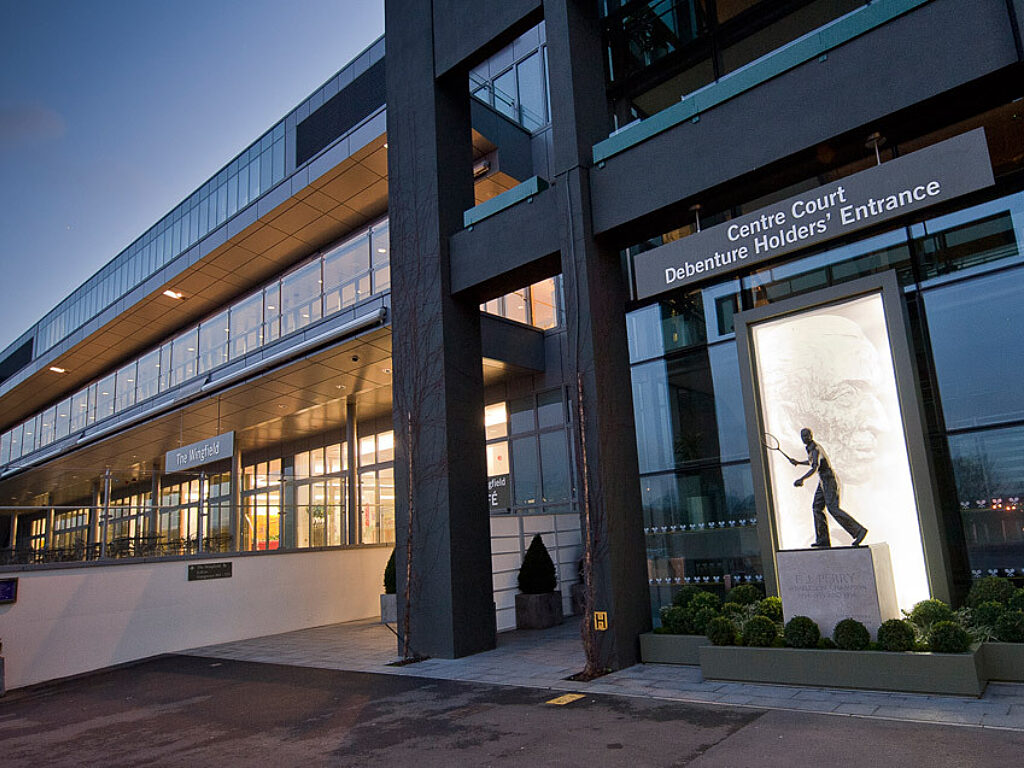
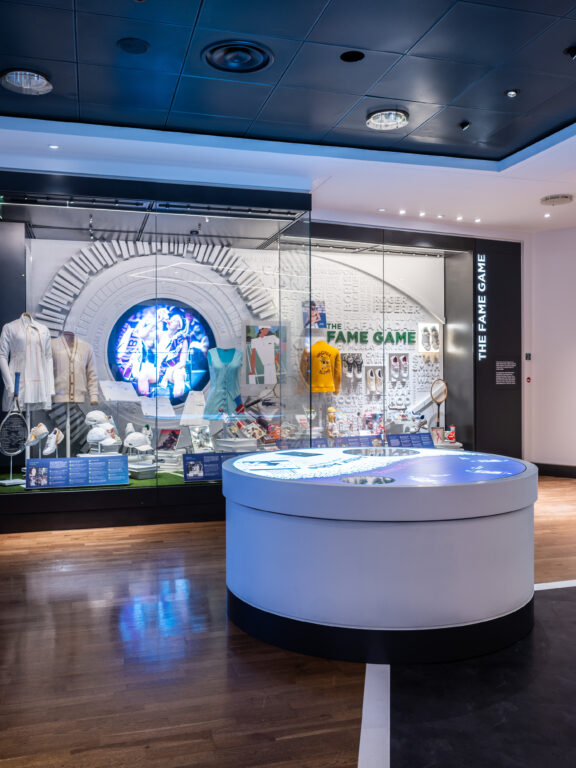
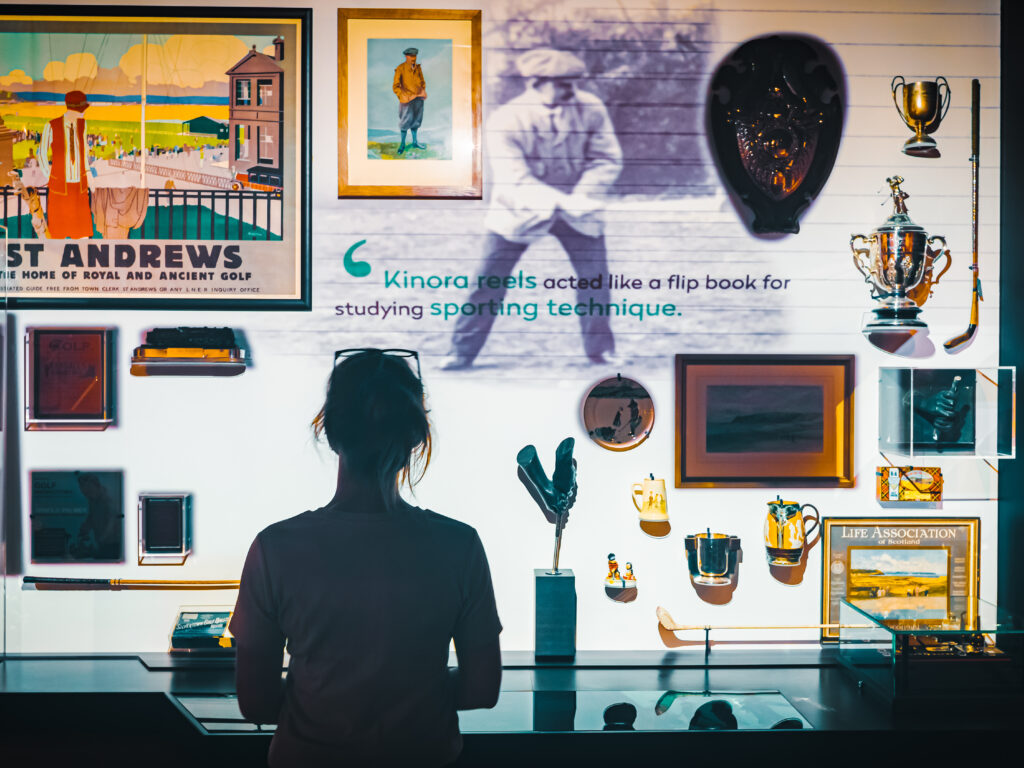
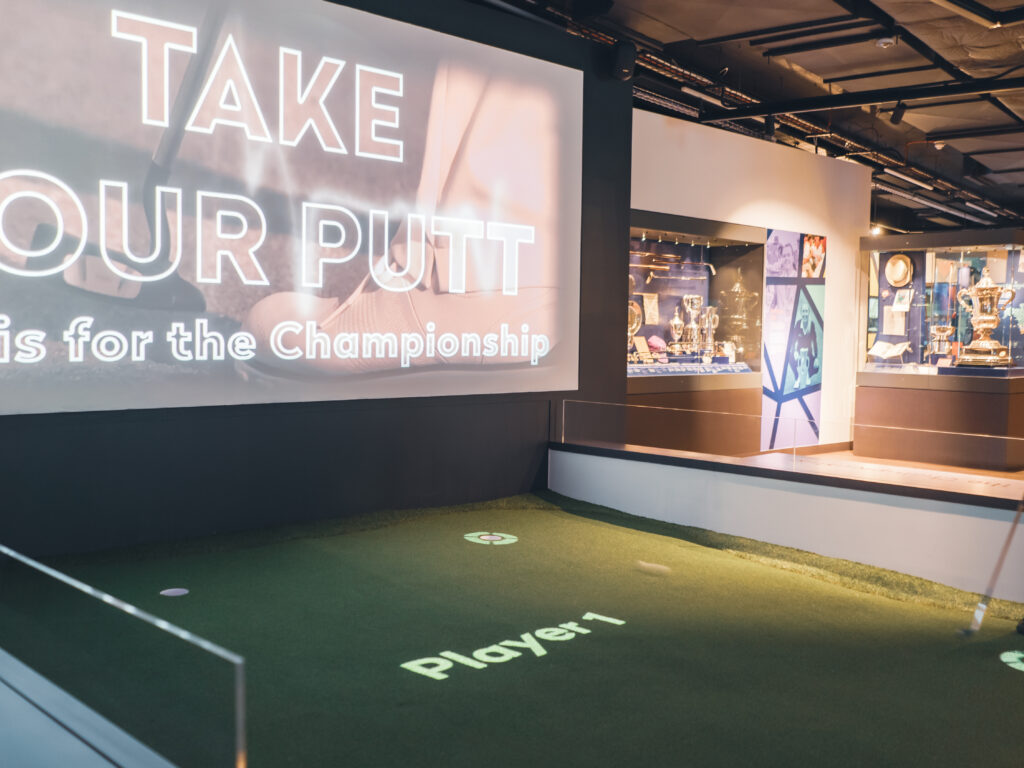
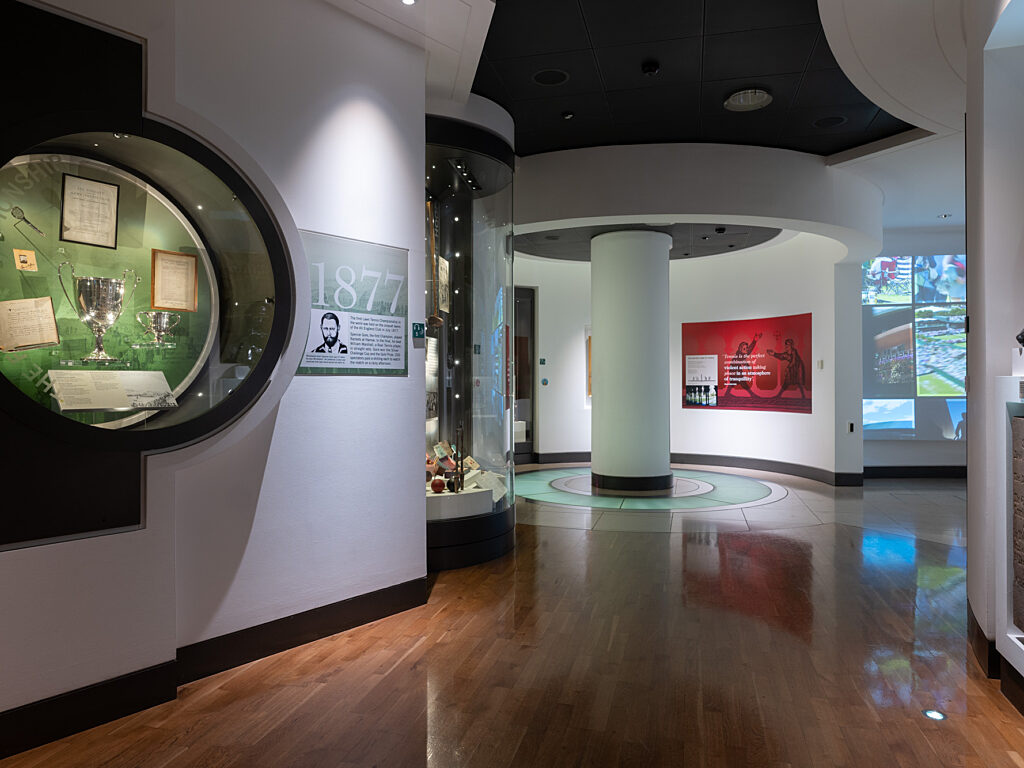
One of the benefits of having worked in the museum and visitor attraction sector for so many years is the opportunity to see how projects develop after we've completed them. Our relationships with organisations such as the R&A and Wimbledon have continued beyond the original projects, with further work helping their visitor experiences develop over time.
It's an aspect of our work that we particularly value because it gives us an opportunity to build on our understanding of an attraction, its audiences and the people responsible for operating it. Looking back at projects such as Norton Priory and the Pankhurst Centre also reminds us of the importance of creating something that has a lasting purpose.
The opening of a new museum is always an exciting occasion, particularly for the communities and organisations that have worked so hard to bring it to life. It's often the moment when years of ambition and planning finally become a reality, but the real value of a visitor experience is established over the years that follow, through the people who visit, the stories they discover and the opportunities it creates for learning and engagement.
For us, good design means thinking about all of those things from the outset, creating spaces that work for the people using them today while giving the organisations behind them the flexibility to respond to whatever comes next. While the ribbon-cutting might be the moment everyone remembers, it's what happens afterwards that really matters.