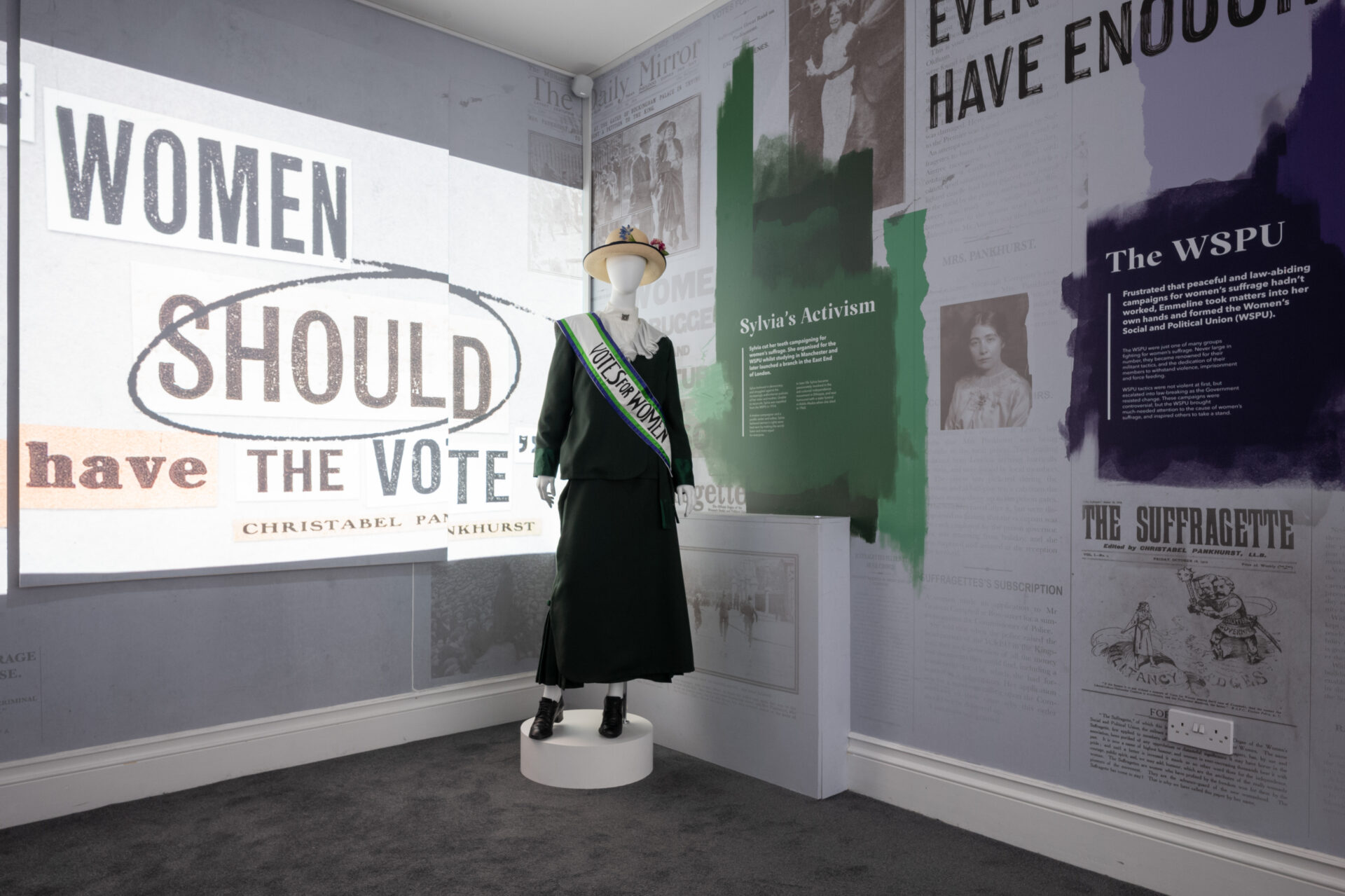
They might be an expert in the subject, but equally they might have a passing interest, be visiting with their family on a day out or simply have wandered in because they were nearby. They haven't attended the consultation sessions, read the research or spent two years discussing the interpretation. So, on that basis one of the most important things to remember when designing any visitor experience is that simply, you are not your visitor.
Start with what they know
Every project needs to establish what visitors need to understand before asking them to engage with the detail. That means creating a clear way into the story so visitors can understand where they are, why the subject matters and what they're being invited to discover.
If specialist knowledge is needed to understand the first display, we've probably started too far into the story. Good interpretation builds knowledge as the visitor moves through an experience. Introductions establish context, key themes provide a structure and individual stories add depth along the way. Visitors who want more can explore further, while those who prefer the highlights can still leave understanding the main story. Getting the balance right is important because there will always be different levels of interest and knowledge coming through the door.
Not everyone reads everything
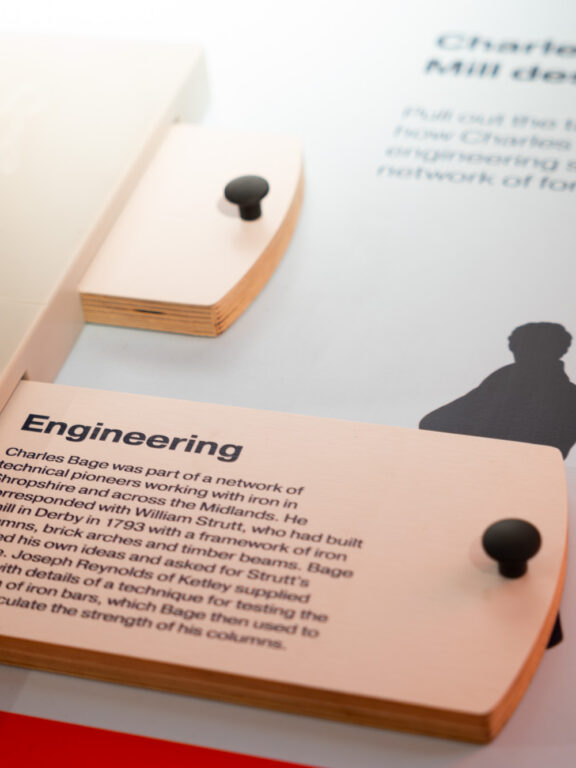
When people enter a museum, they move around, stop when something catches their attention, skip things, go backwards, talk to the people they're with and get distracted by whatever’s happening around them. Families experience exhibitions differently from individuals, children notice different things from adults and enthusiasts will often look out for detail that other visitors happily walk past.
So, an exhibition can't depend on everybody reading every panel in the right order.
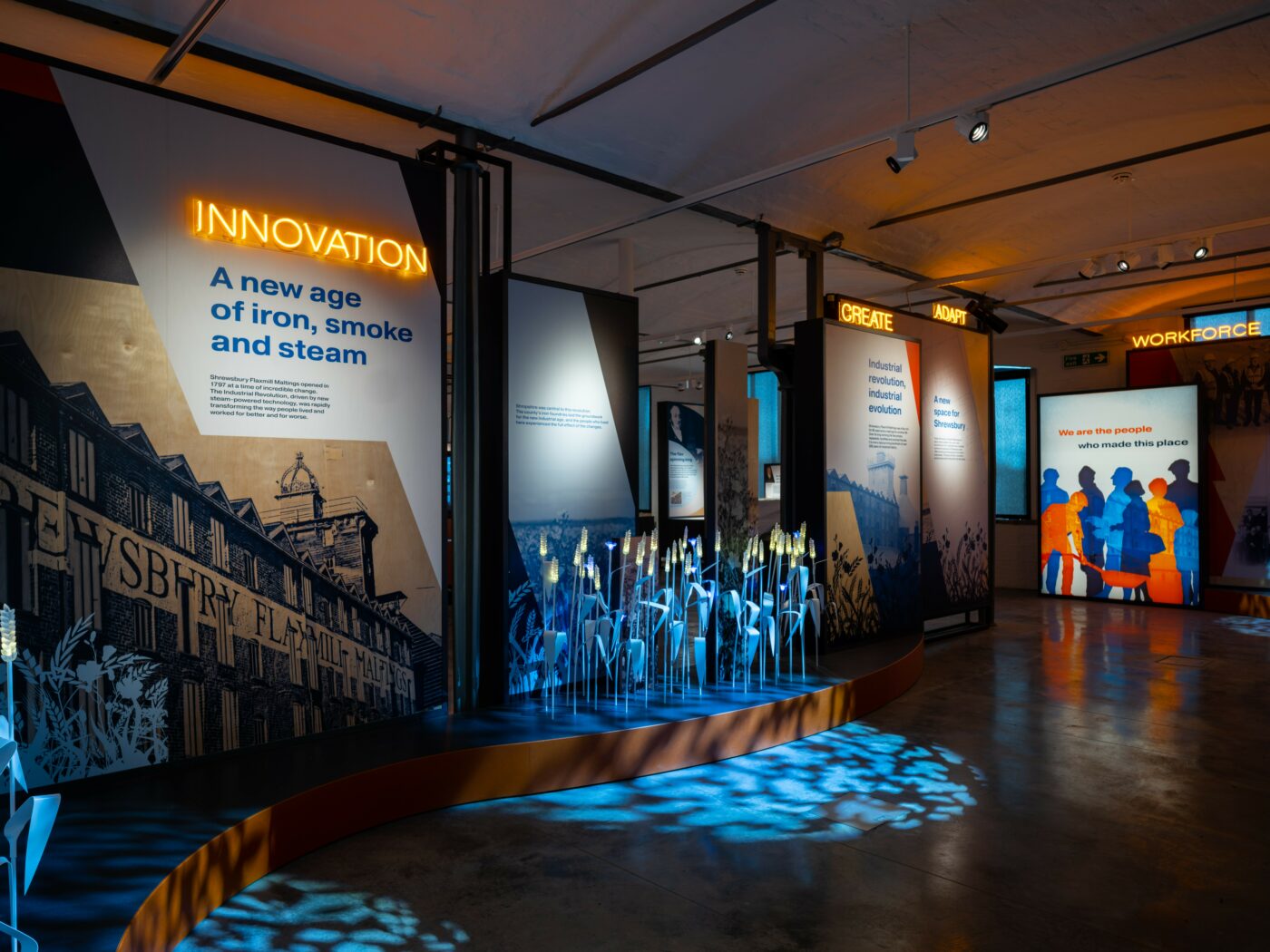
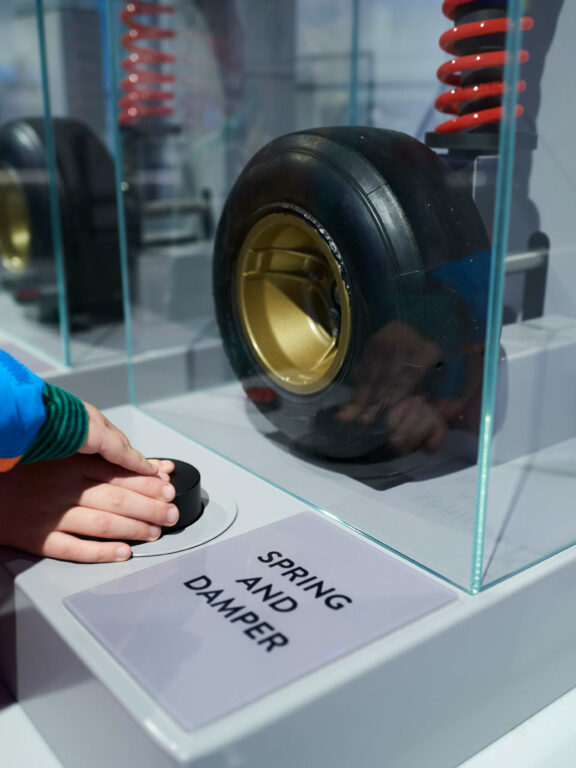
The story needs enough structure for visitors to find their own route through it without losing the thread. Headlines, objects, graphics, film, audio, interactives and physical design can all help visitors understand what's important and where they might want to spend more time. The aim isn't to make everyone experience the exhibition in exactly the same way, but to make sure there are enough ways into the story for different visitors to find something that interests them.
What can we leave out?
One of the hardest parts of developing an exhibition isn't finding content, it's deciding what doesn't need to be there – which bits can be left out. When a project team’s spent years researching a subject, everything begins to feel important. There may be hundreds of fascinating stories, photographs, documents, objects and pieces of research available, but trying to include all of them rarely makes for a better visitor experience. More information doesn't necessarily mean more understanding.
Visitors have a limited amount of time and attention, so every piece of content needs to earn its place. What does this add? Does the visitor need to know it here? Does it move the story forward? Could it be explored somewhere else for people who want greater depth? Sometimes removing content makes the stories that remain much stronger.
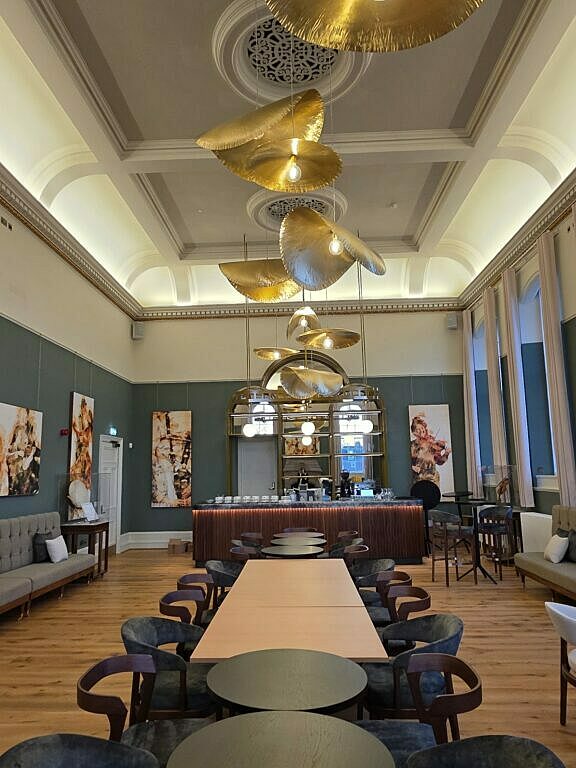
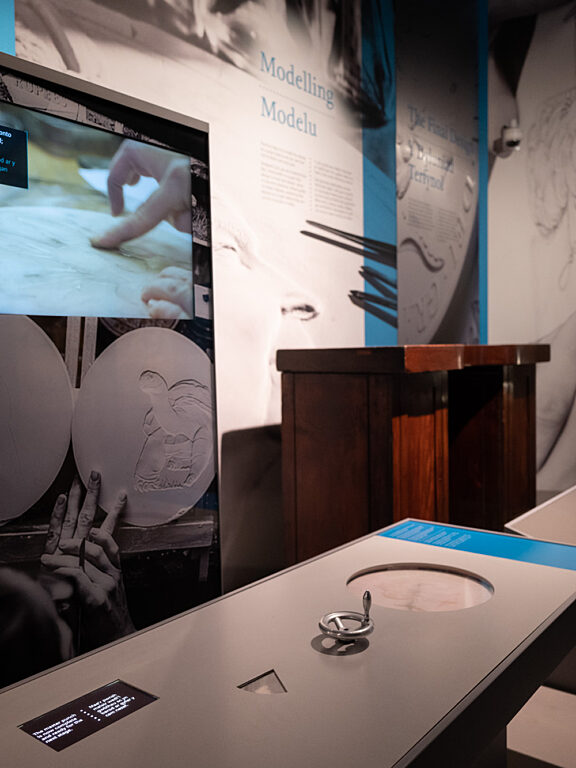
There's no single formula for engaging visitors because people respond to different things. One person might stop because of an extraordinary object, another because they recognise a place in a photograph. Someone else might be drawn in by a personal story, an interactive, a piece of film or simply a question that makes them want to know the answer.
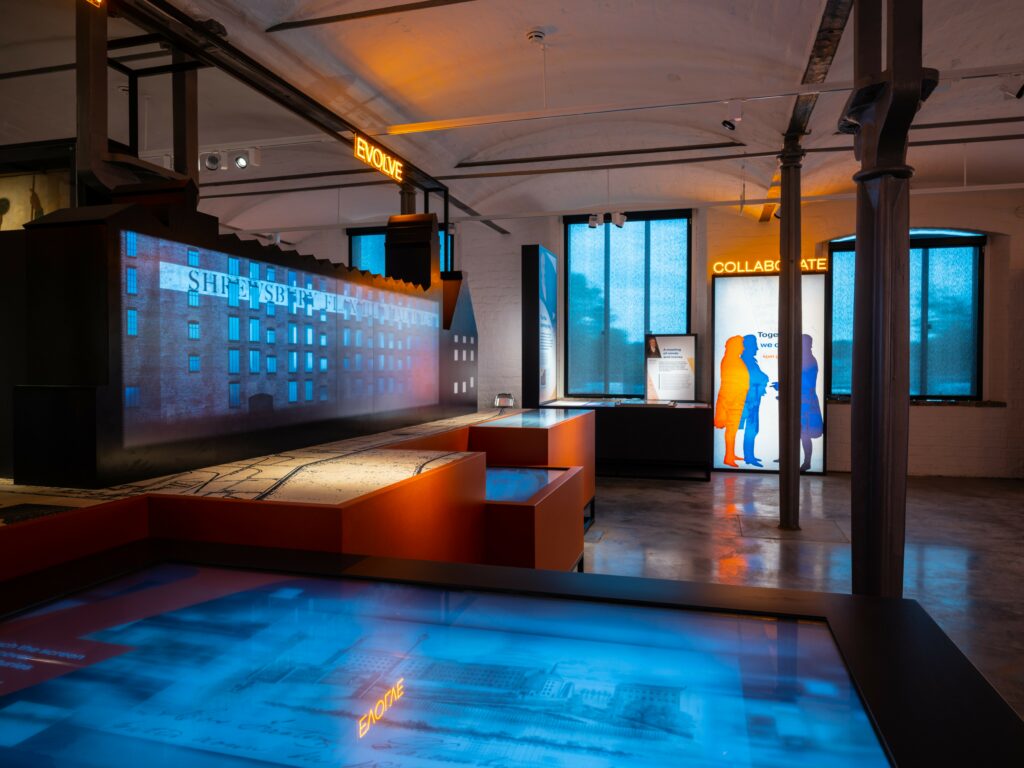
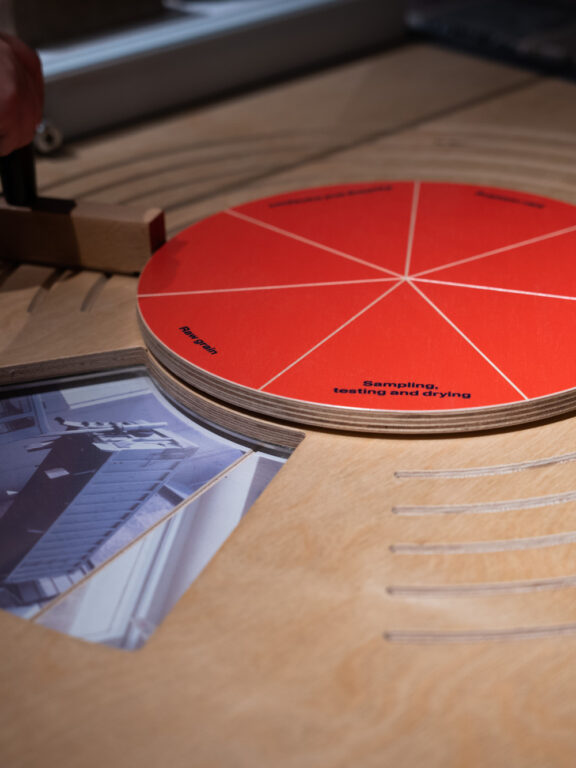
That's why visitor experience design involves far more than deciding what information goes on the walls. The content, graphics, objects, audiovisual elements, interactives and physical environment all work together to communicate the story. At Shrewsbury Flaxmill Maltings, for example, visitors might arrive knowing nothing about flax production or industrial architecture, so the experience must reveal why the building and the people who worked there matter.
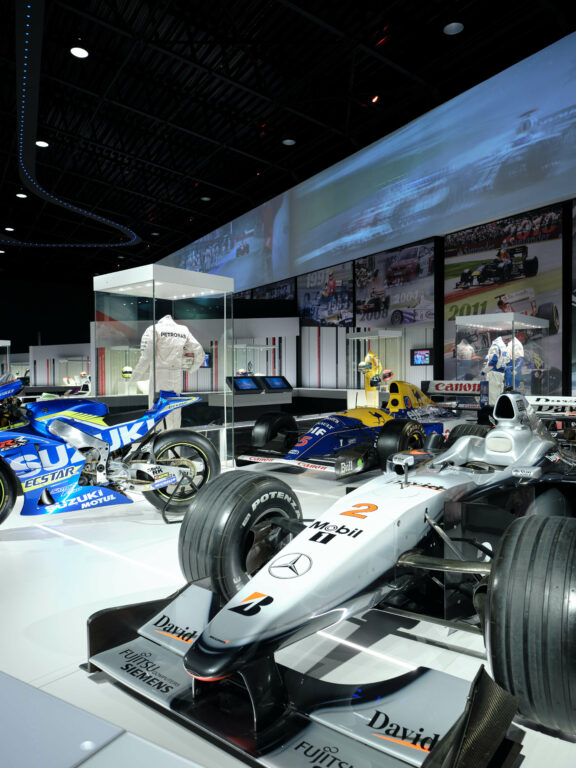
At Silverstone Museum, some visitors arrive with decades of motorsport knowledge while others are accompanying somebody who loves racing. The experience has to work for both. The subject is the same, but the starting point of each visitor can be completely different.
See it through fresh eyes
Perhaps the biggest challenge for anyone developing a museum or visitor attraction is retaining the ability to see it as somebody encountering it for the first time. Does the story make sense without everything we already know? Have we explained enough without explaining too much? Is it obvious what's important? Can visitors choose how deeply they want to explore the subject? And, most importantly, will they leave understanding something they didn't understand when they arrived?
The best visitor experiences don't demonstrate how much the project team knows. They use that knowledge to make complex subjects feel clear, interesting and worth discovering. Because ultimately, we're not designing the experience for the people who've spent years creating it - we're designing it for the person who's just walked through the door.