Curators, historians, community groups, local authorities, funders, designers and subject specialists often all have a role to play, alongside people who have a personal connection to the history itself. Each brings knowledge, experience and a different perspective on what matters, what should be included and how it should be represented, and bringing those voices together is an important part of developing a new visitor experience – but it can also be one of the most complex.
The big story
At the beginning of a project there can be a huge amount of material to work with. Collections, archives, personal stories and local knowledge all provide potential content, while consultation can uncover further stories and perspectives along the way. So, the first job is to understand what the experience is trying to say.
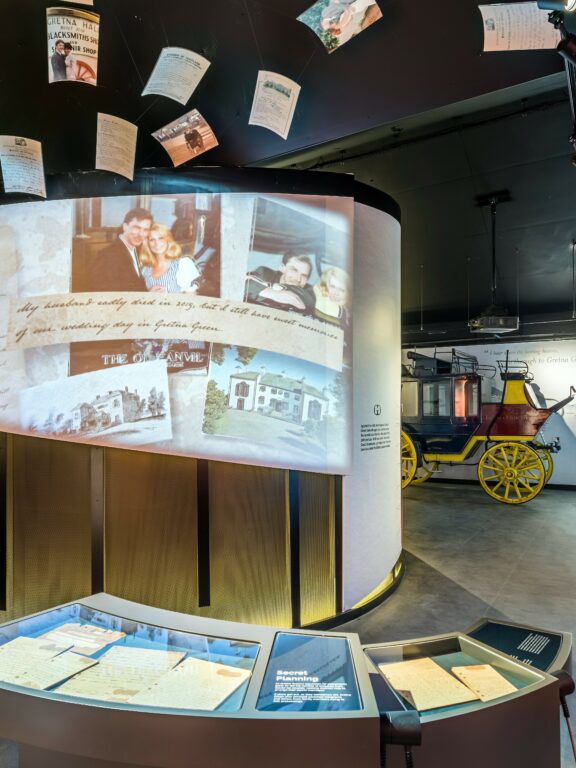
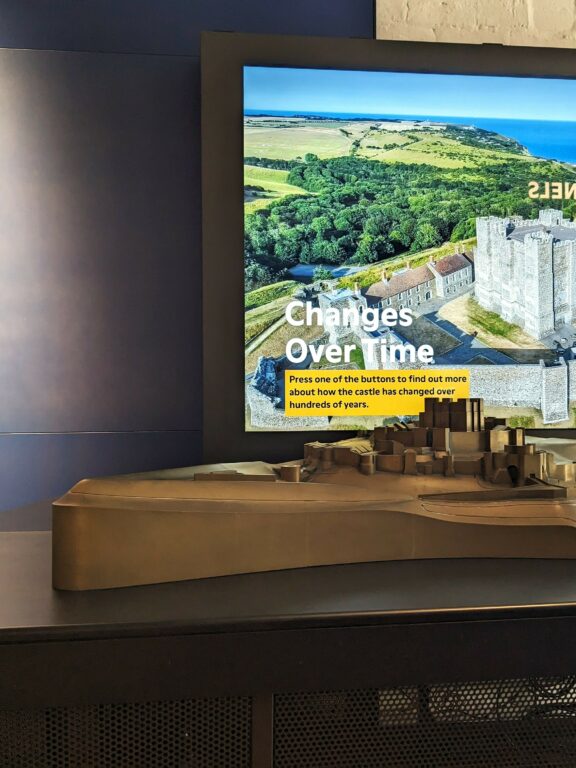
That means establishing the main themes and messages that will shape the visitor journey, then working out where individual stories sit within them. Some deserve a prominent place, others provide useful detail or context, while some may be better suited to digital content, temporary exhibitions or future interpretation.
Making those choices requires a clear understanding of the audience too. Someone deeply involved in a subject will approach it very differently from a visitor encountering it for the first time, so the content has to work at different levels without overwhelming people along the way.
Different perspectives
Consultation brings valuable knowledge into a project and helps build a fuller understanding of the stories being told. People with a connection to a place, community or subject will often know details that aren't recorded in an archive or collection that personalise the story. They can identify what carries particular significance locally, explain how language is used and bring lived experience to stories that might otherwise be approached purely through historical records.
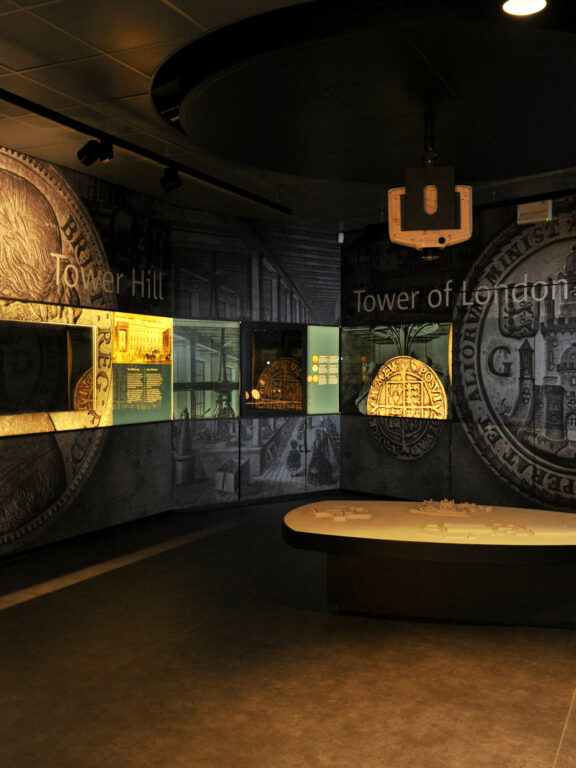
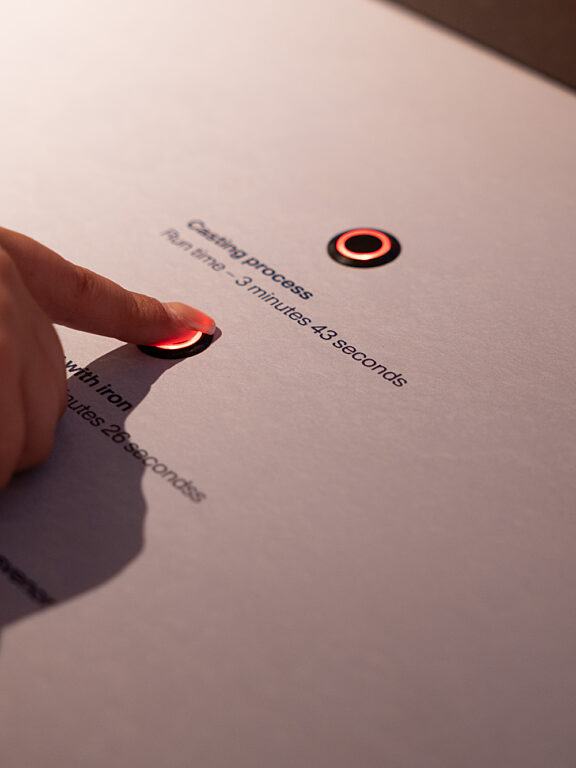
Different perspectives can also reveal how the same event, person or place has been understood in different ways. This becomes particularly important when a project deals with subjects such as local identity, language, social history or contested events. Words and context matter, and the way a story is framed can carry as much significance as the information itself. A good content development process creates space for those conversations and uses them to strengthen the interpretation.
How do you decide?
Every contribution adds to the team's understanding of the subject, although the physical experience will always have limits. Visitors have a finite amount of time and attention, exhibition spaces don’t have endless capacity, and every additional story changes the balance of the overall experience. Content development therefore involves making decisions about what visitors need to know, what they might want to discover and how much information they need at each point in their journey.
This is where the structure behind the content becomes particularly important. A strong narrative gives individual stories somewhere to belong. It helps the team establish what visitors encounter first, what needs explaining before something else will make sense and where there are opportunities to go deeper. The result should feel natural to the visitor, even though a considerable amount of thinking may have gone into creating that simplicity.
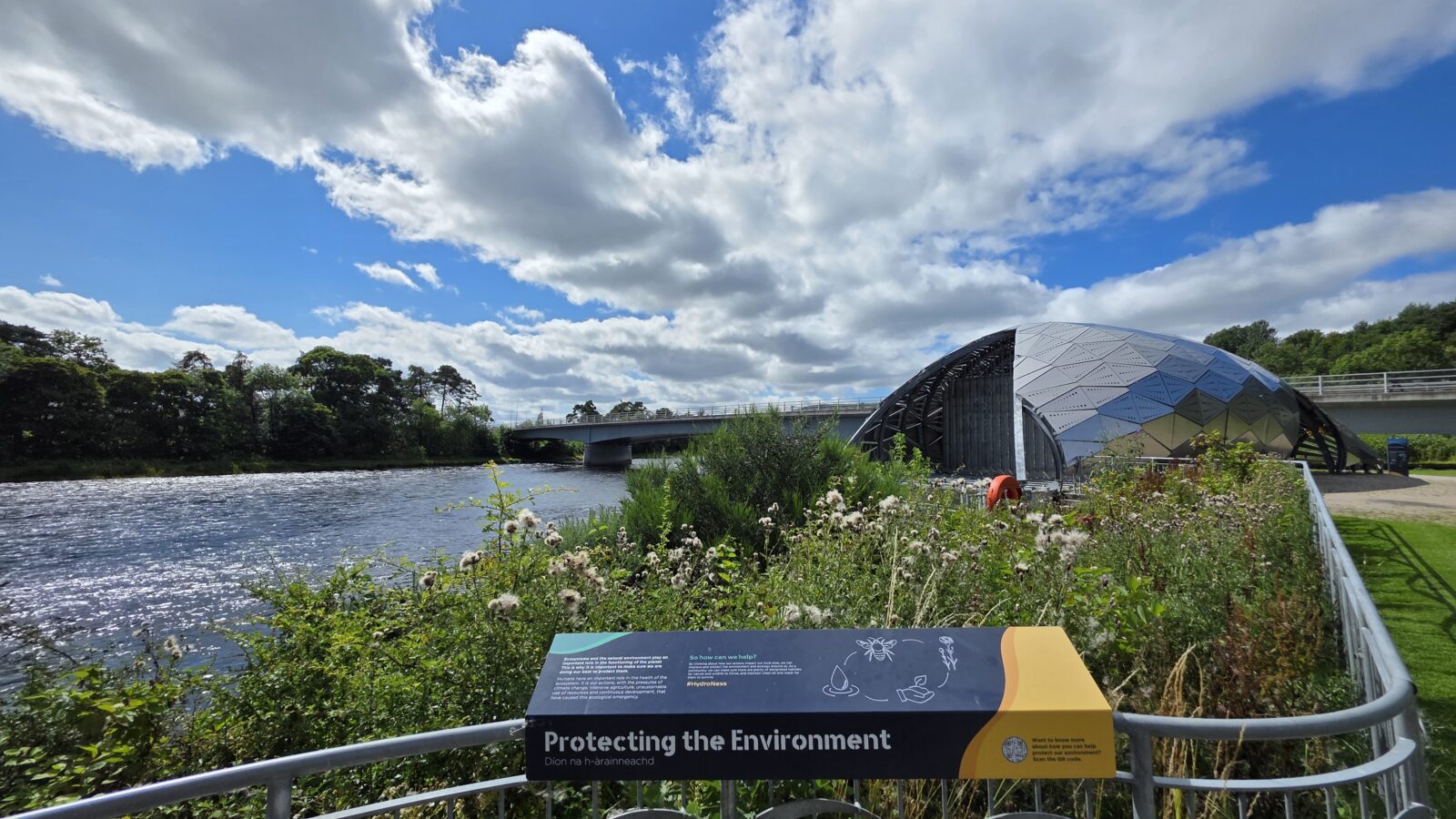
The people involved in developing a museum or heritage attraction will inevitably become immersed in its subject. They know the detail, understand the terminology and can see connections that have developed over months or even years of working on the project.The visitor arrives without any of that preparation, and so they might know the subject inside out, have a passing interest in it or simply have walked through the door because they're visiting the area. The experience has to give each of them a way into the story.
That visitor perspective provides a useful reference point throughout content development. Does this make sense at this stage of the journey? Does the visitor have enough context? Are we asking them to absorb too much? Is there a clearer way of explaining it? Where should we give them the opportunity to explore further? Those questions help turn a wealth of information into an experience people can actually navigate and enjoy.
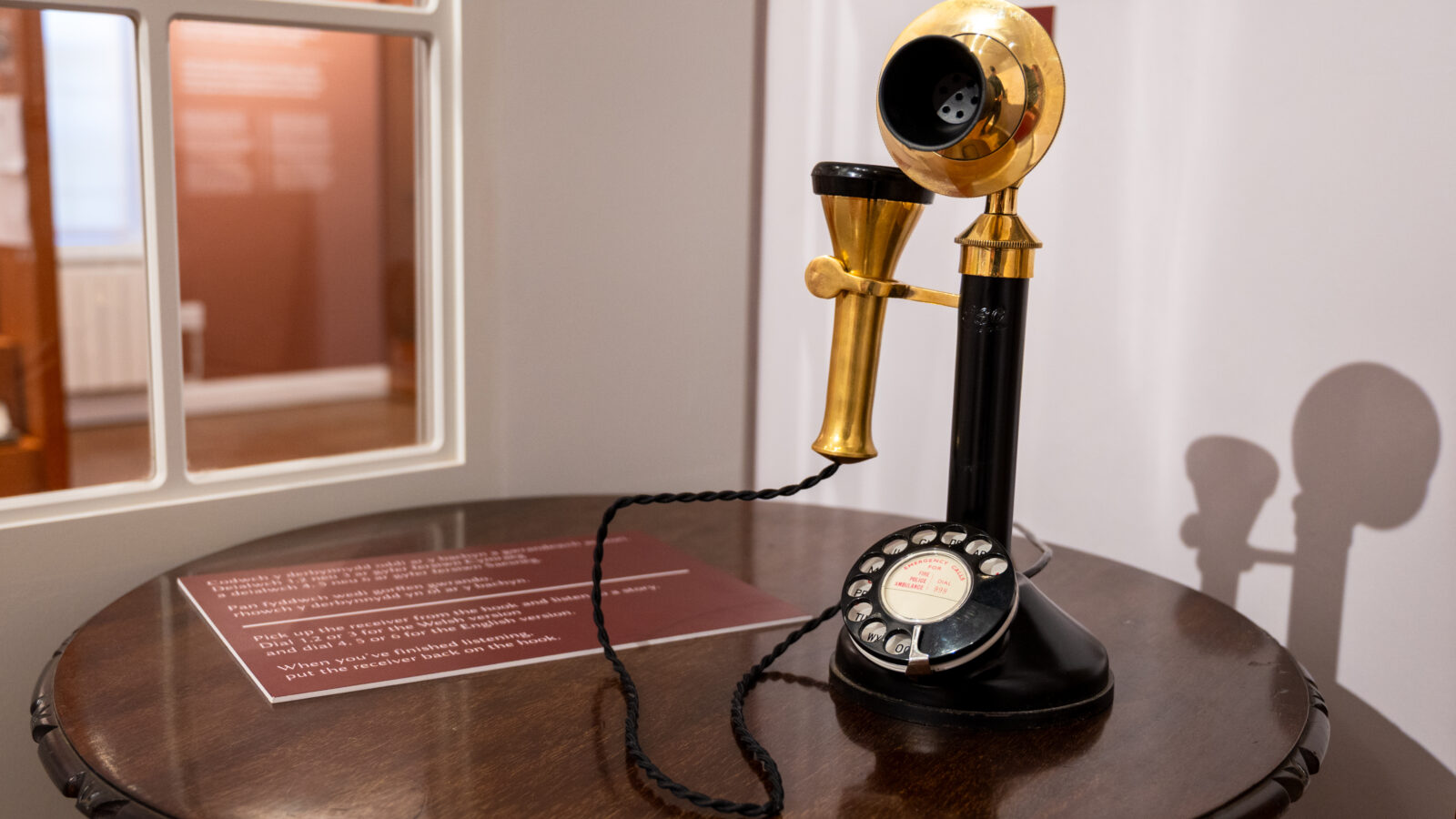
Turning many voices into one experience
Content development sits at the meeting point between research, consultation, interpretation and design. It involves understanding the knowledge and perspectives people bring to a project, identifying the stories that matter and creating a structure that allows those stories to work together. The process continues through scripting and design too, because words, objects, graphics, interactives, audiovisual content and the physical space all contribute to how visitors understand the story.
By the time the doors open, visitors should be able to move through that experience without needing to think about the work behind it. They see a story that flows - behind that story may be years of research, hundreds of conversations and contributions from people with very different relationships to the subject. Bringing all of that together into something clear, engaging and meaningful is where experienced content development really earns its place.