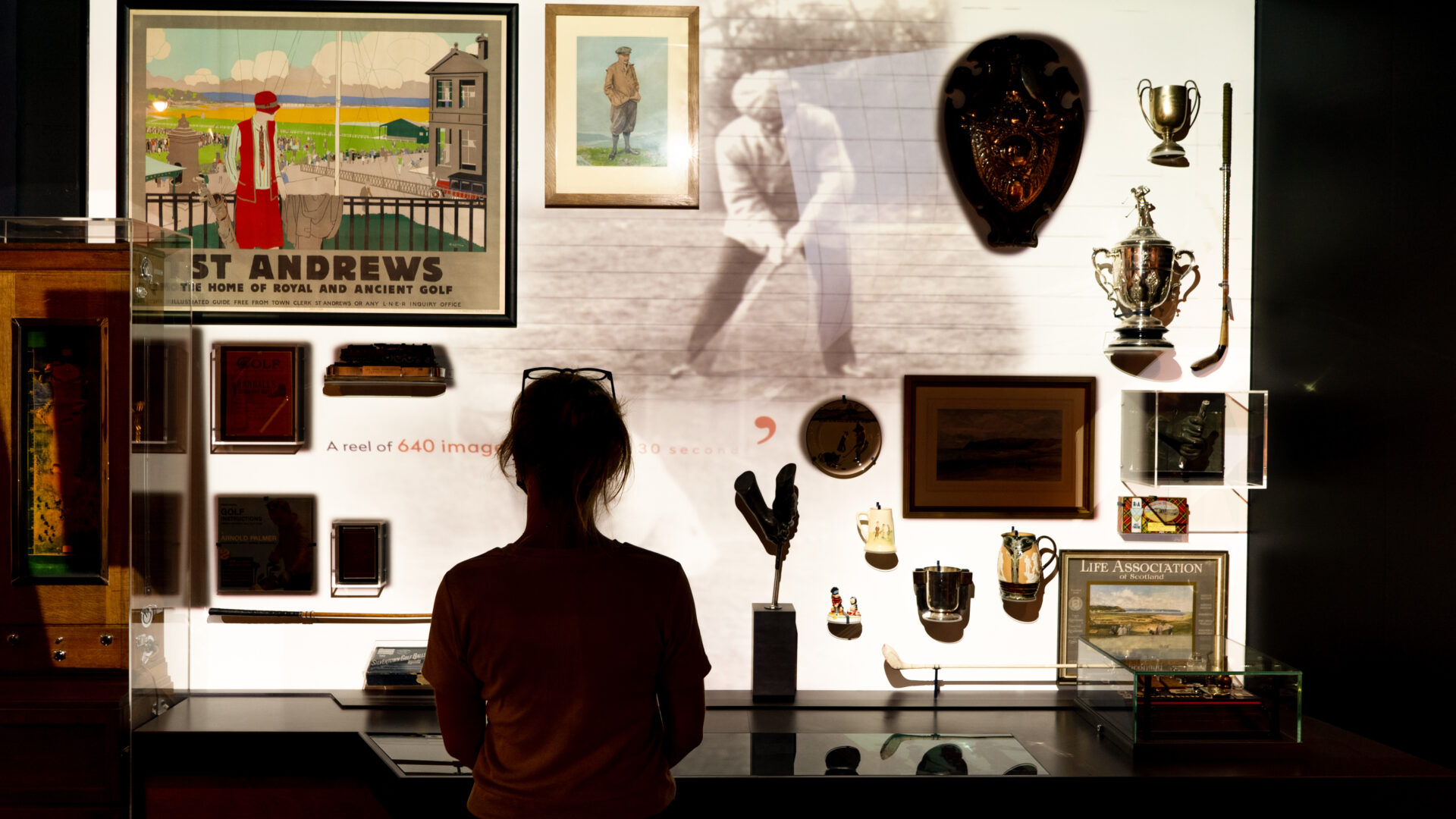
Designing a museum is not a matter of placing labels next to artefacts, it’s a specialist discipline that blends interpretation, storytelling, space planning, object care, visitor psychology, accessibility and design craft. It takes years of doing it, getting it wrong, learning, then doing it better. It’s not something you learn in a week, and it’s not something that can be delivered by a team already stretched with running a venue day to day.
The assumption that museums design their own displays leads to two problems. The first is that the public never see the depth of expertise behind a finished experience, and the second is that some clients underestimate what is required to turn a building into a compelling visitor attraction.
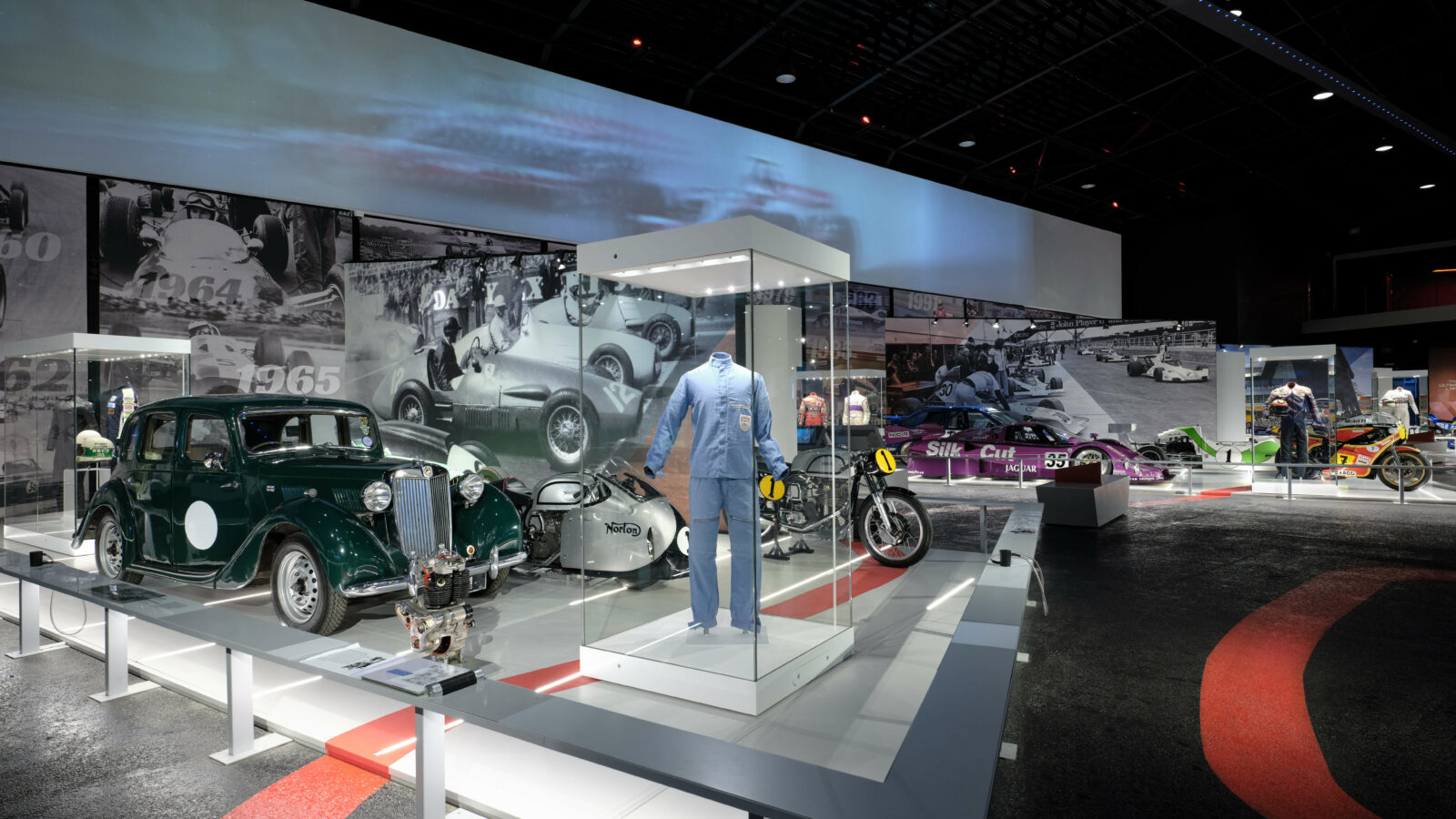
What looks effortless is anything but! Behind every object label sits hundreds of decisions about narrative, voice, tone, audience needs and cultural context. Behind every display case sits careful work on conservation conditions, risk, lighting, temperature and materials. Behind every gallery layout sits an understanding of how people move, what catches their eye, what helps them understand and what makes them switch off.
This level of complexity is easy to overlook, which is why Dover Castle is such a powerful example. On the surface, it appears to be the kind of heritage site that simply “speaks for itself”. In reality, it demanded detailed interpretive planning to bring centuries of layered history together without overwhelming visitors. Medieval stories, wartime strategy, political events and personal human moments needed to sit in harmony, not compete for attention. That required intentional decisions about pacing, scale, sound, atmosphere and movement. Nothing about that process was accidental - every choice was made to help visitors understand not only what happened, but why it mattered. Without specialist interpretation, the experience would have been a series of interesting rooms, but with it, Dover Castle becomes a cohesive journey that feels authentic, emotional and memorable. That transformation only happens when experienced museum designers shape the story from the outset.
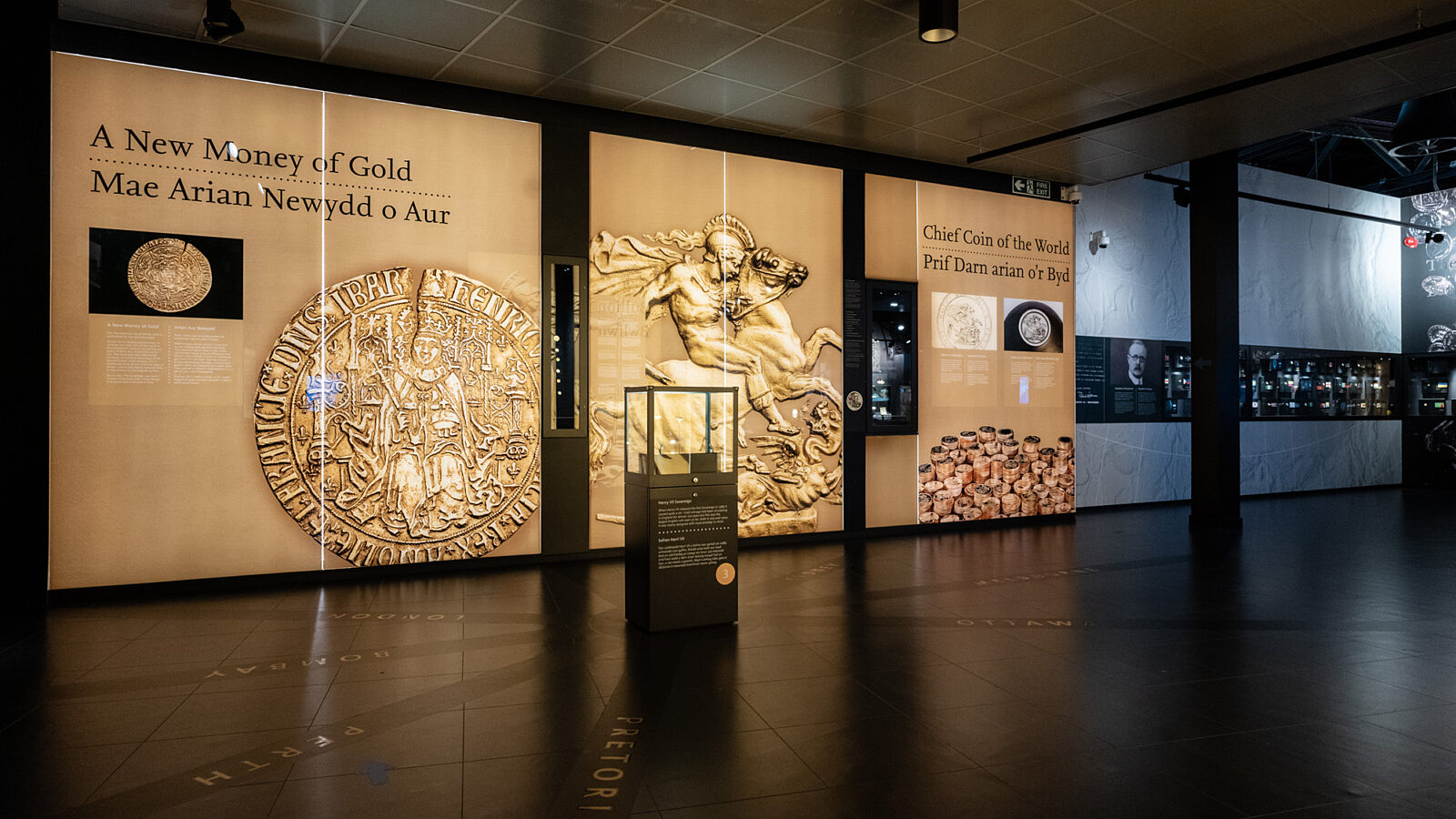
Mather & Co exists because it’s not simple – it’s a craft that mixes creativity with discipline and requires teams who can write content with emotional depth, develop interpretation plans that hold together from start to finish, and design physical and digital experiences that draw people in and keep them there.
The difference between a museum that feels flat and one that comes alive is the difference between displaying objects and telling stories - anyone can put an item in a case. Not everyone can create the emotional connection that makes someone remember it years later. That is the value of bringing in specialists who have spent decades understanding how to turn stories into experiences that resonate.
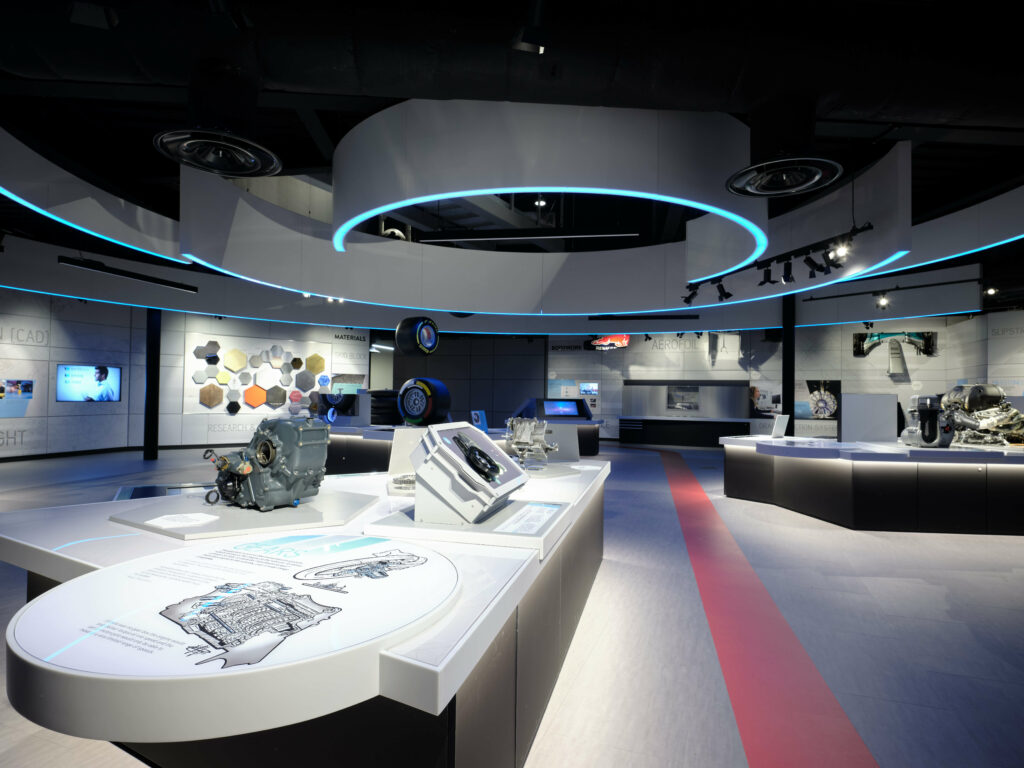
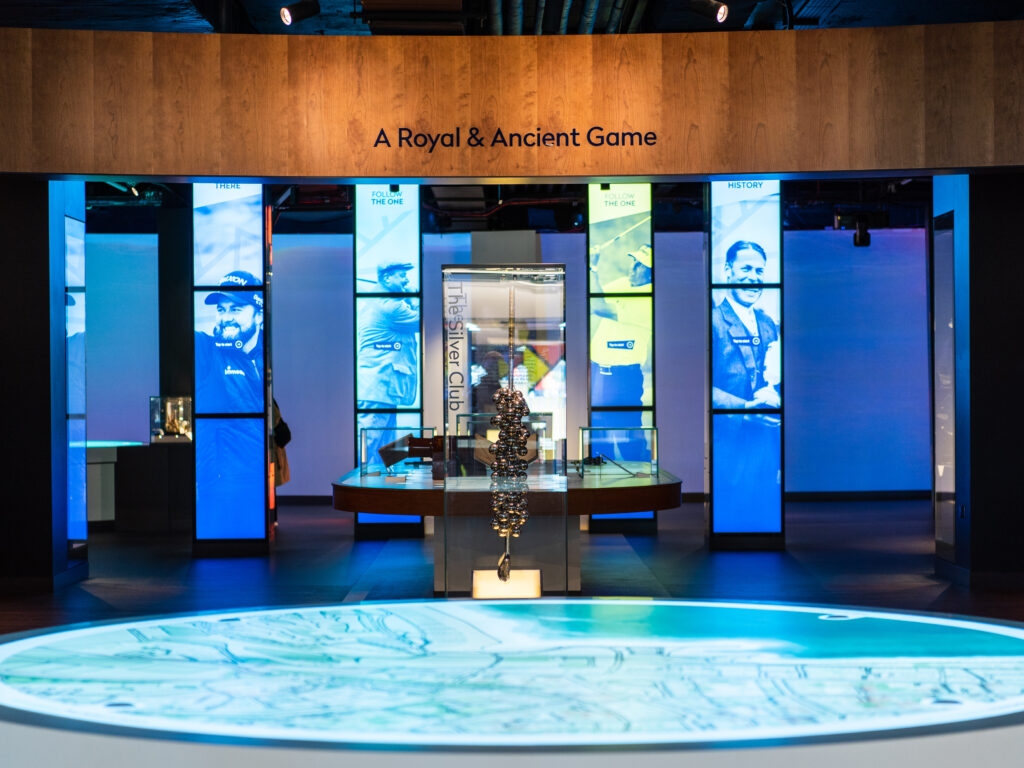

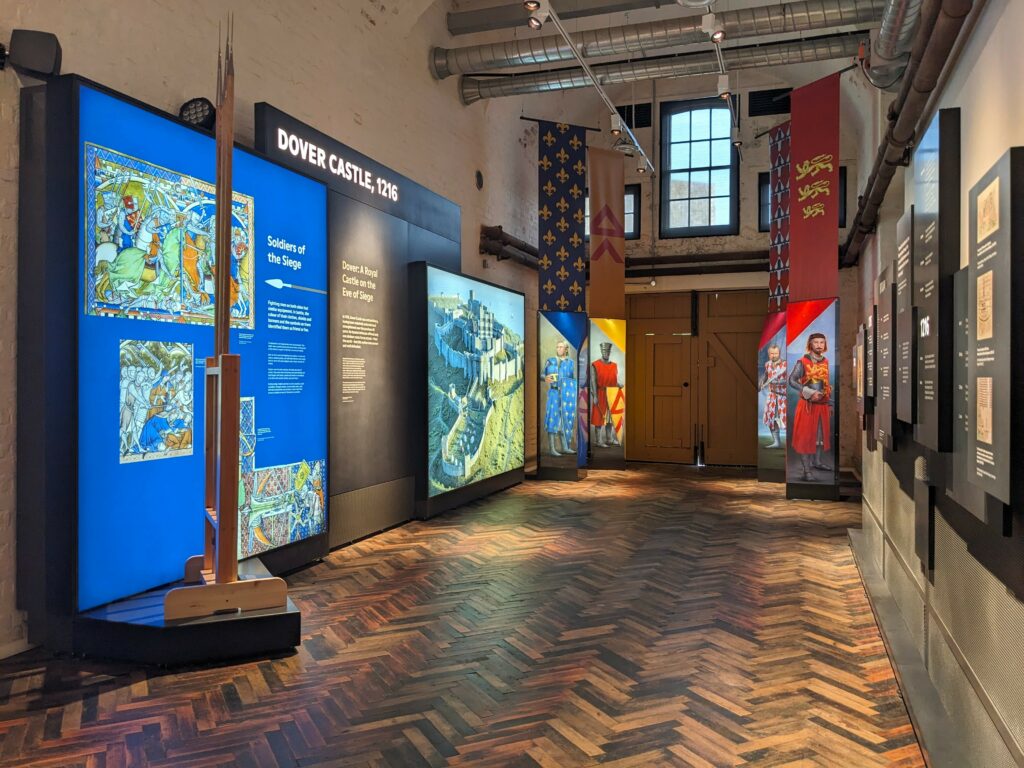
When professional designers are involved from the beginning, everything works harder – the architecture feels integrated with the narrative. The visitor flow suits how people actually behave, and the graphics support clarity instead of competing for attention. The atmosphere fits the emotion of the moment – it’s cohesive because every decision points in the same direction.
Teams of content developers, designers, researchers and project managers work together to make it look effortless, and when done well, you don’t see the mechanics, you only feel the impact. Museums are built by people who know how to tell human stories in a way that feels natural and alive and it’s why museum design is not something you bolt on at the end. It is a craft that deserves recognition and a discipline that shapes every inch of a successful visitor experience.