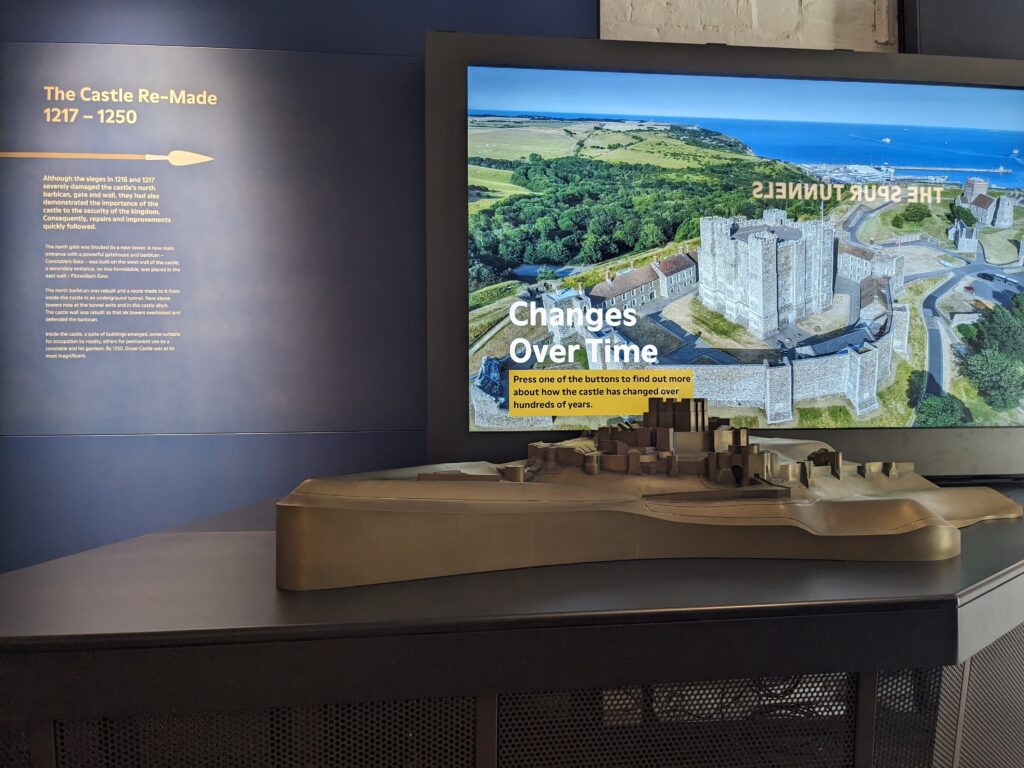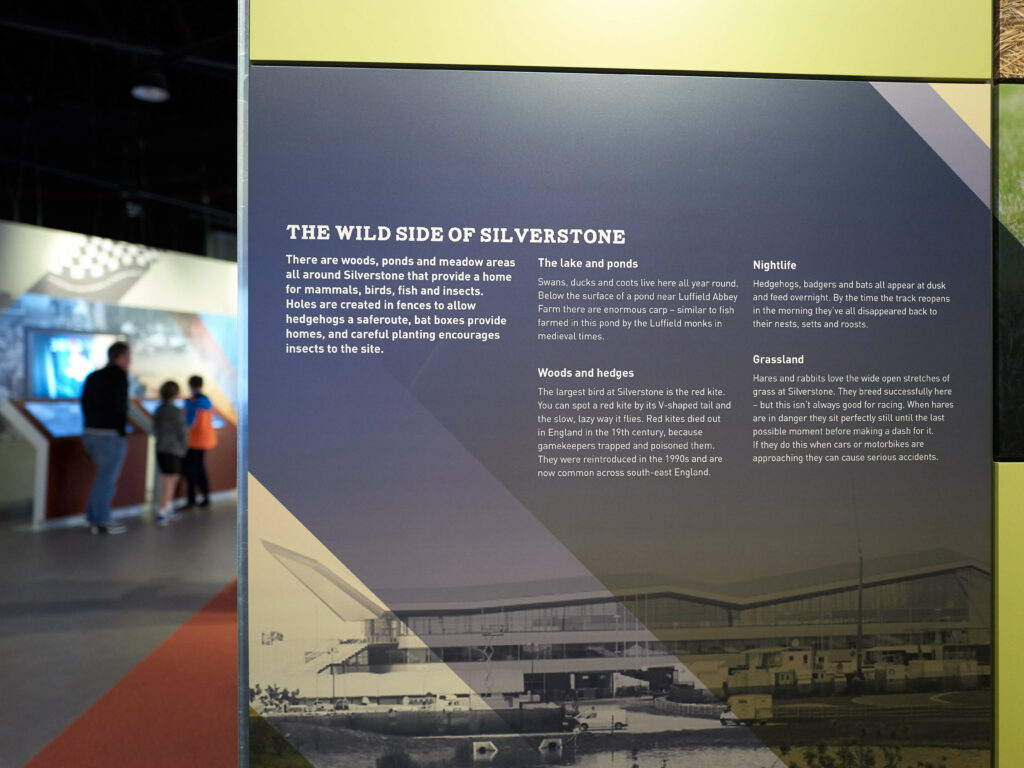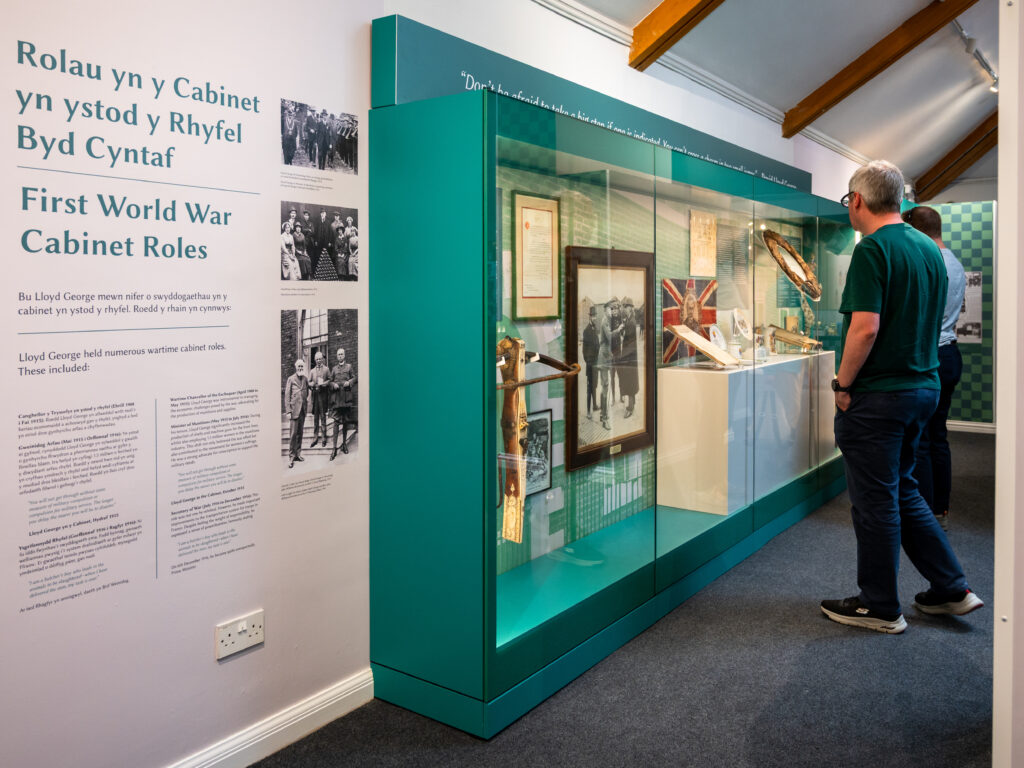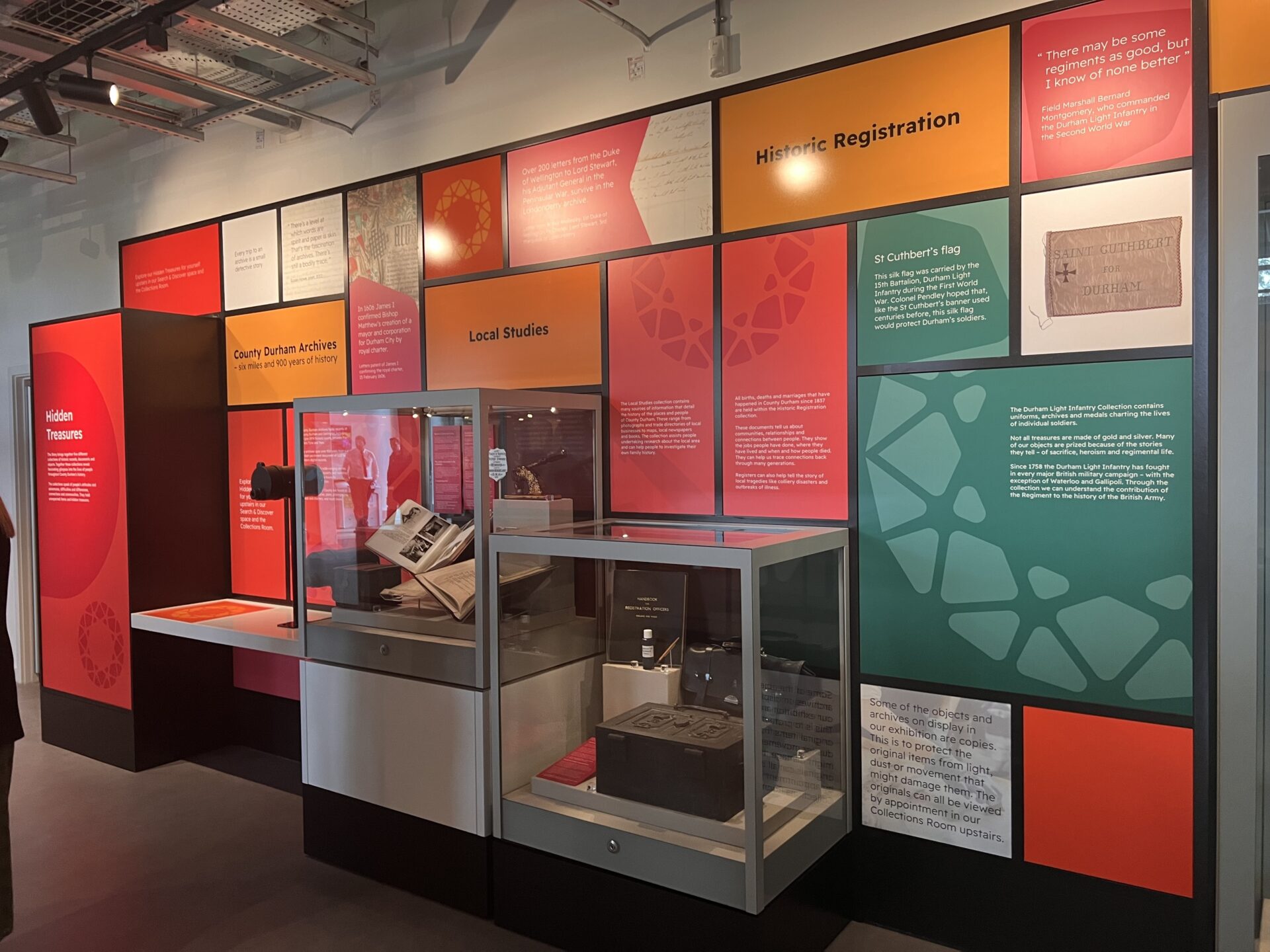
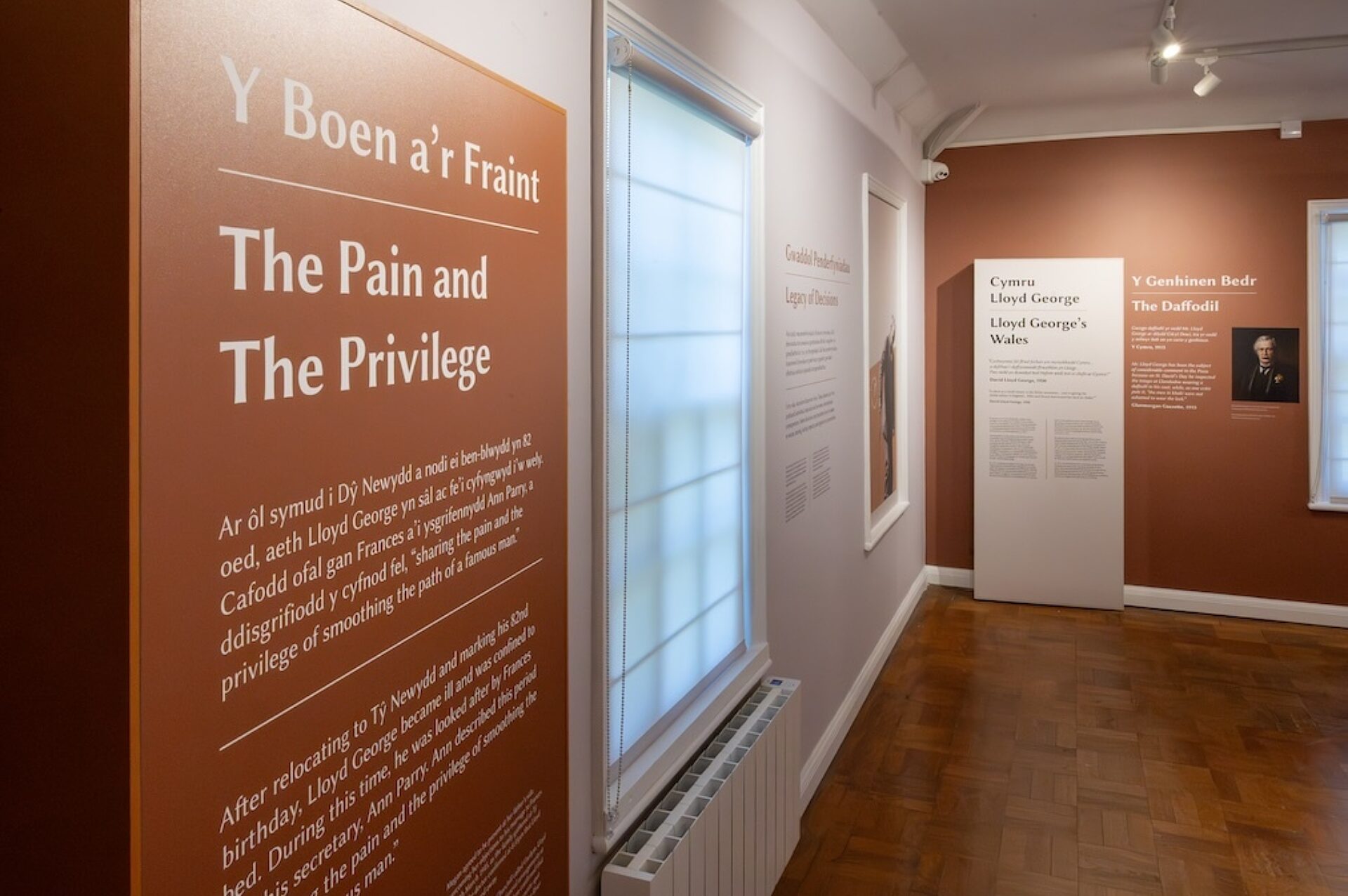
We still come across panels with 300 words on them – which might work well on a page, but rarely on a wall! Content has to be designed around how people behave – and they definitely don’t want to read an essay. They’re moving through a space, making quick decisions about what’s worth their time, and engaging at different levels depending on their interest. If everything demands the same level of attention, most of it gets ignored.
That’s why the way we structure content matters so much. There’s a simple approach often referred to as paddlers, swimmers, divers, and it works because it reflects real behaviour rather than ideal behaviour.
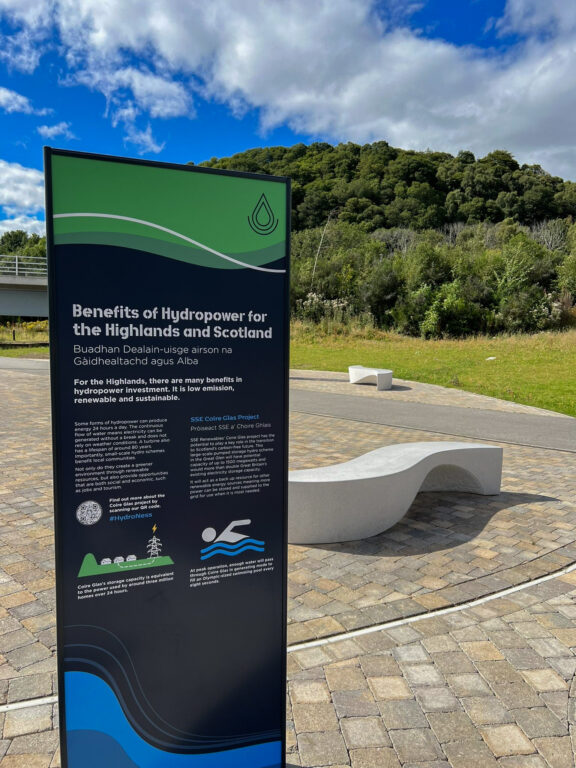
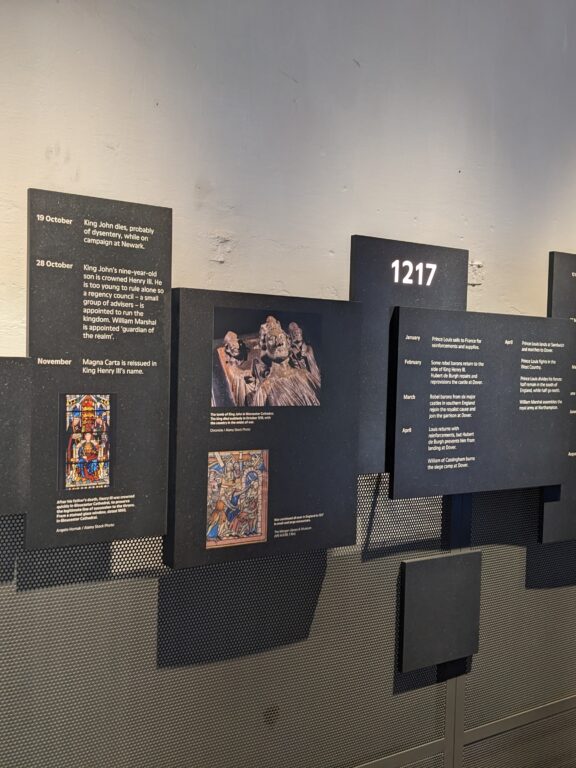
In a nutshell, some visitors want the headline and nothing more, others are prepared to spend a bit longer, and a smaller number will read everything you give them. If you design for all three, you give people the choice in how they engage rather than forcing them into one way of consuming information. It’s important, however, not to write everything for the most engaged visitor in the room. This is often where we clash with clients – who want more detail, context and explanation – the result being that panels grow from 80 to 200 words in the blink of an eye. Each individual change feels reasonable, but collectively it moves the content away from something that works in a physical space to something that belongs on a page.
The impact of that isn’t just about readability, it changes how people move through the environment. So, if someone stands in one place for too long trying to process a dense block of text, the flow behind them slows down, people begin to bunch up, and others start skipping ahead. What should feel like a natural progression through a story becomes disjointed, and that affects the experience far more than most people realise.
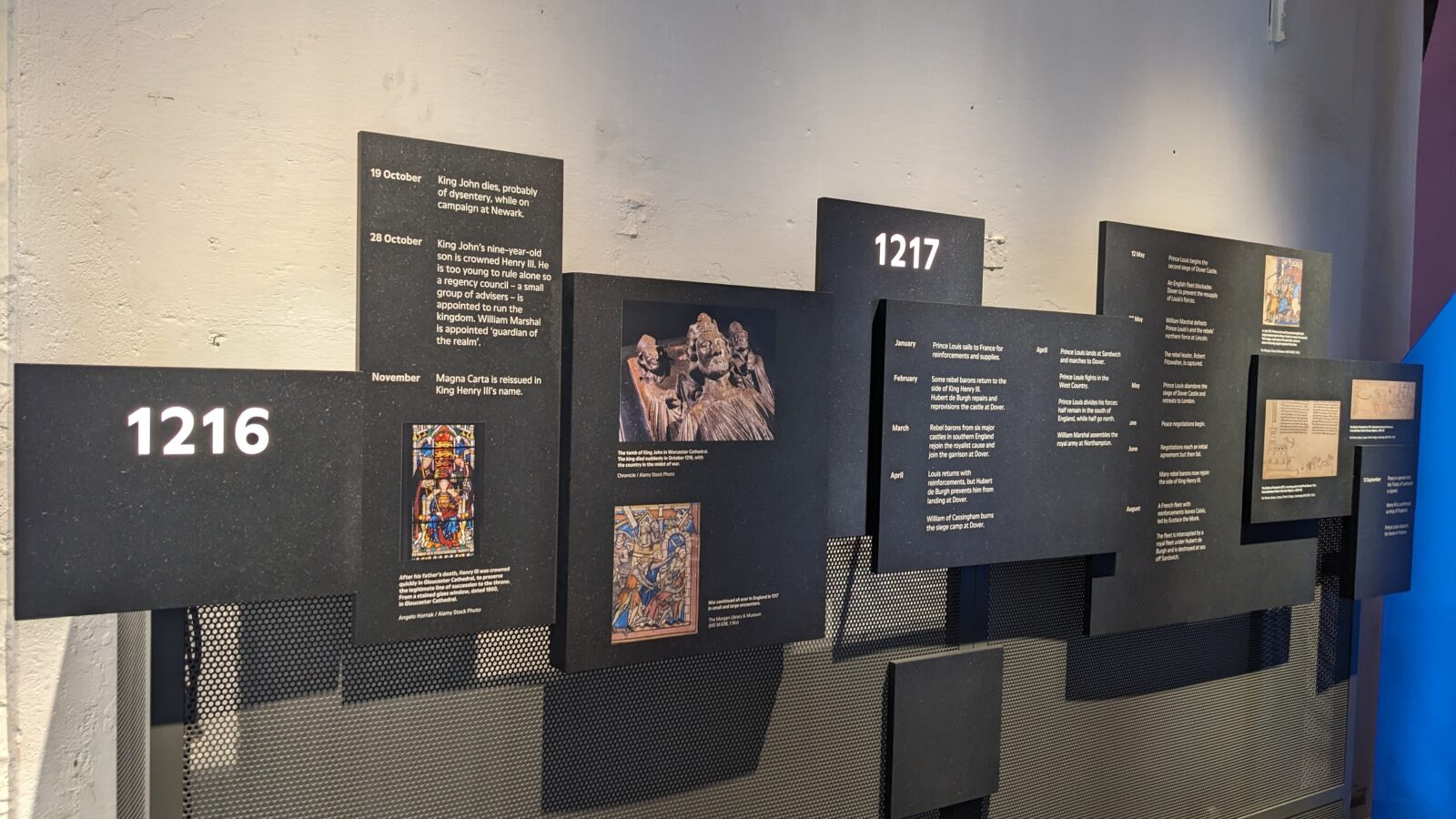
Writing has a much bigger part of the design than something that sits alongside it. It isn’t simply describing what’s on display, it’s influencing pace, movement and engagement through the museum. Knowing what to leave out becomes just as important as knowing what to include, because the job isn’t to transfer everything you know onto a wall, it’s to shape an experience that people can move through without effort.
There’s also a tendency to treat writing as something that happens towards the end of a project, once the layout is fixed and the key decisions have already been made. By that stage, the opportunity to use content as a design tool has largely passed. When writing is considered earlier, it can support the wayfinding, reinforce key moments and help create a rhythm across the space, rather than trying to retrofit meaning into something that’s already been built.
It’s also the part of the process that people feel most comfortable challenging. Suggestions to just add a bit more or tweak phrasing often seem minor, but over time they can undo the structure that makes the content work. What starts as something clear and layered becomes dense and uniform, and the distinction between different types of visitors disappears.
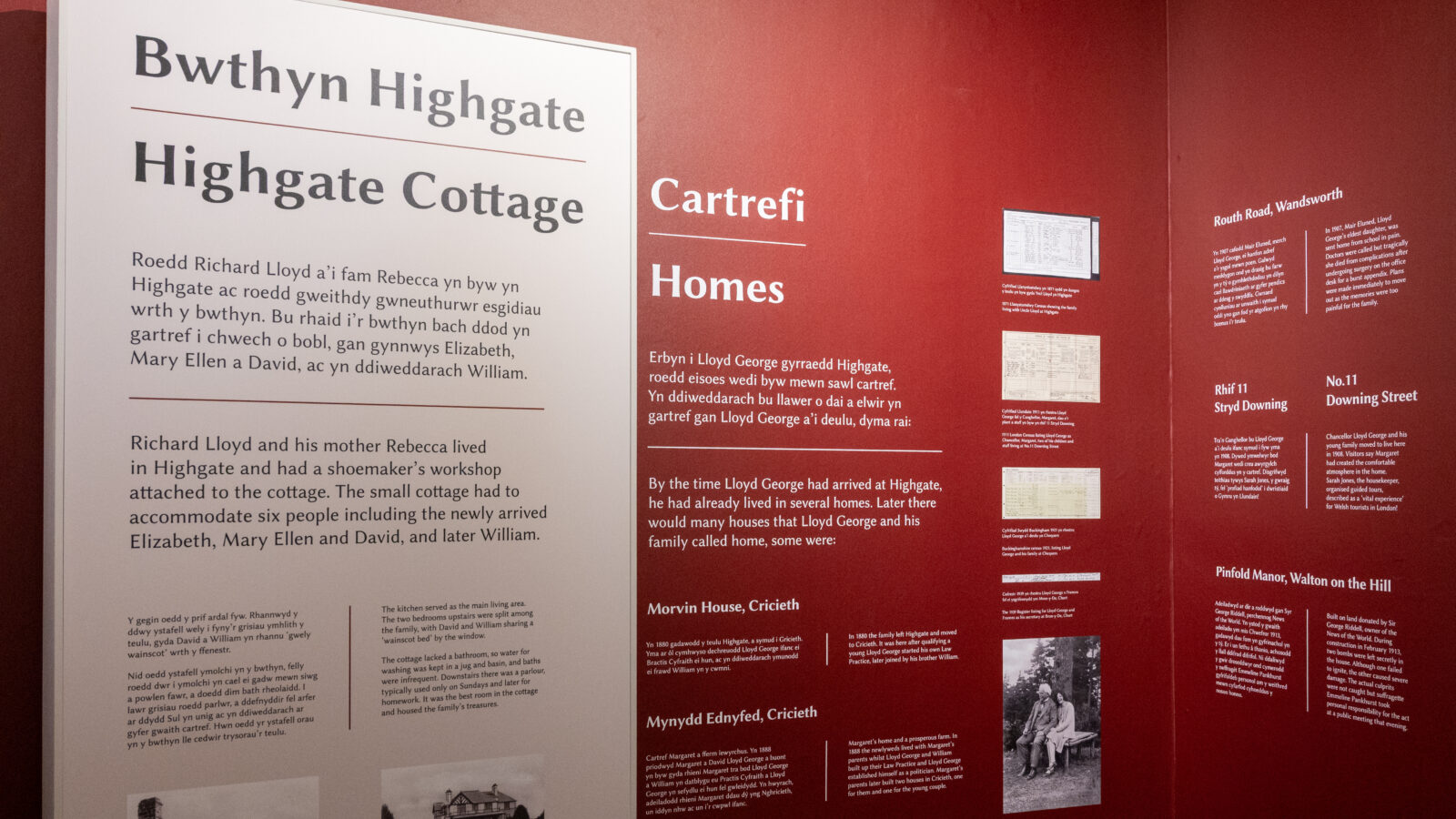
Most people recognise this instinctively when they’re on the other side of it. You walk into a gallery, see a heavy block of text, and decide within seconds whether you’re going to commit to reading it. More often than not, you don’t, and that decision shapes how you experience everything that follows.
Writing for museums isn’t about filling space or demonstrating how much information you have. It’s about understanding how people interact with content in a physical environment and designing around that behaviour. When it’s done well, it feels effortless and almost invisible, supporting the experience without drawing attention to itself. When it isn’t, it becomes a barrier that people work around rather than engage with.
It may look like a small part of the overall project, but in practice it plays a significant role in whether the experience works as intended.